The post The Conconi Family Biodevice Foundry Receives Major CFI Innovation Support appeared first on UBC - SBME.
]]>The School of Biomedical Engineering (SBME) at the University of British Columbia is pleased to share that the Conconi Family Biodevice Foundry, led by SBME Professor Govind Kaigala, has received major infrastructure funding through the Canada Foundation for Innovation (CFI) Innovation Fund.
The Government of Canada announced more than $552 million in research infrastructure investments through CFI, supporting 92 projects at 32 higher education institutions across Canada. As part of this national investment, UBC researchers are leading or co-leading fourteen projects, collectively receiving $50.6 million in funding.
Among the funded initiatives is the Conconi Family Biodevice Foundry, a UBC-led project that will advance next-generation biomedical technologies and enable researchers to design, prototype, and translate innovative bio-devices for health and life sciences applications. The facility will provide critical infrastructure for interdisciplinary collaboration across engineering, medicine, and the life sciences.
This investment will strengthen SBME’s position as a leader in biomedical innovation and support researchers in addressing pressing global health challenges while generating meaningful, health and economic benefits for Canadians.
The funding announcement was made by Karim Bardeesy, Parliamentary Secretary to the Minister of Industry, on behalf of the Honourable Mélanie Joly, Minister of Industry and Minister responsible for Canada Economic Development for Quebec Regions.
Learn more about the announcement from the Canada Foundation for Innovation.
The post The Conconi Family Biodevice Foundry Receives Major CFI Innovation Support appeared first on UBC - SBME.
]]>The post SBME Celebrates Carl de Boer’s UBC Killam Research Prize appeared first on UBC - SBME.
]]>The School of Biomedical Engineering (SBME) is proud to congratulate Carl de Boer on being named a recipient of the 2025 UBC Killam Research Prize (Early Career Category) as part of UBC’s Faculty Research Awards.
Announced on March 10, 2026, UBC’s Faculty Research Awards recognize exceptional research excellence and scholarly achievement across disciplines—from applied sciences and medicine to the social sciences and humanities. Recipients are selected by UBC’s Faculty Research Awards Committee and include both emerging and established researchers who are advancing knowledge and innovation.
Carl de Boer is recognized for his groundbreaking work at the intersection of genomics and computational biology. His research group develops innovative genomic and computational tools to better understand how the genome is regulated. By uncovering the mechanisms that control gene activity, his work aims to advance our ability to understand, diagnose, and treat disease.
The UBC Killam Research Prizes recognize outstanding research and scholarly contributions by UBC faculty members. The Early Career category celebrates exceptional researchers in the early stages of their academic careers who are already making significant impacts in their fields.
SBME is delighted to see Carl’s contributions recognized at the university level and celebrates the continued impact of his research in advancing biomedical research. Congratulations to Carl on this well-deserved honour.
For more information, read the full announcement posted by VP Research & Innovation.
The post SBME Celebrates Carl de Boer’s UBC Killam Research Prize appeared first on UBC - SBME.
]]>The post UBC Researchers Advancing Next-Generation Sports Monitoring through Collaborative Research Funding from Samsung Electronics Canada appeared first on UBC - SBME.
]]>Vancouver, BC — Researchers at the University of British Columbia are advancing a transformative new approach to sports and human performance monitoring through collaborative research funded by Samsung Electronics Canada. The project, titled “Innovating a Next Generation of Sports Monitoring Technology” aims to develop novel wearable sensing systems and machine-learning algorithms capable of continuously and non-invasively monitoring muscle metabolic function and physiological performance during exercise. It is led by Dr. Babak Shadgan (Department of Orthopaedics; School of Biomedical Engineering; ICORD) and Dr. Ali Bashashati (School of Biomedical Engineering; Department of Pathology and Laboratory and is conducted in close collaboration with Samsung R&D Canada, reflecting a strategic partnership between UBC and Samsung in advanced digital health and sensor innovation.
Promising Early Results from Year One
In its first year, the project has already generated encouraging pilot data demonstrating the feasibility and potential clinical and performance relevance of this approach. Using synchronized wearable and laboratory-based sensors, including near-infrared spectroscopy (NIRS), photoplethysmography (PPG), electromyography (EMG), and metabolic reference systems, the research team successfully collected high-quality multimodal physiological data from healthy volunteers during incremental and endurance exercise protocols.
Most notably, the team has developed an initial machine-learning framework that estimates the muscle lactate threshold, a key physiological marker of exercise intensity and fatigue, from wearable NIRS signals alone. Early algorithmic evaluations show consistent localization of the metabolic transition point, with detection accuracy typically within 1–2 minutes of blood-lactate-based reference standards. These findings support the central hypothesis that local muscle metabolic changes can be detected non-invasively and may precede systemic blood lactate accumulation, offering a new window into real-time performance monitoring and fatigue detection.
Toward Human-Centered, Real-Time Performance Monitoring
By integrating physiological sensing with advanced signal processing and machine learning, this work addresses a longstanding gap in sports science and human performance monitoring: the lack of a direct, real-time measure of exercising muscle metabolism. The technology under development has potential applications extending beyond elite athletics, including rehabilitation, occupational health, military and aerospace human performance monitoring, and personalized exercise prescription.
“The early data strongly support the feasibility of this approach,” said Dr. Shadgan. “We are now positioned to move from proof-of-concept toward scalable, wearable solutions that can provide actionable physiological insight during exercise, without relying on invasive or impractical testing methods.”
A Milestone in Translational Biomedical Engineering at UBC
The research award was granted following a competitive, multi-stage internal selection process coordinated by UBC Innovation Partnerships in collaboration with Samsung Canada. The funding award from Samsung Electronics Canada highlights UBC’s growing leadership in translational biomedical engineering, wearable health technologies, and data-driven human performance research.
As the project enters its next phase, the team will focus on expanding participant cohorts, refining real-time algorithms, and developing custom wearable sensor prototypes, further strengthening the pathway toward real-world deployment and commercialization.
The work of Drs. Shadgan and Bashashati and their interdisciplinary research team highlights the potential impact of this UBC–Samsung collaboration on the future of human performance monitoring.
The post UBC Researchers Advancing Next-Generation Sports Monitoring through Collaborative Research Funding from Samsung Electronics Canada appeared first on UBC - SBME.
]]>The post Empowering the Future: SBME Scholars Mentoring Girls in STEM appeared first on UBC - SBME.
]]>Every year on International Women’s Day, we celebrate the achievements, resilience, and impact of women around the world.
At SBME, we’re proud to honor this day by spotlighting members of our community—graduate students, undergraduate students, and PhD candidates—who are mentoring girls in STEM. Their dedication to biomedical engineering and their genuine excitement for discovery fuel not only their own academic journeys, but also the inspiration they pass on to the next generation.
Through mentorship, outreach, and a commitment to giving back, they are building confidence, sparking curiosity, and helping young girls see themselves as future engineers, researchers, and innovators. We’re proud to celebrate their leadership and the meaningful impact they’re making both within our field and beyond.
Jordan Thompson
5th Year Undergraduate Student

What motivated you to get involved in outreach?
I have focused on outreach because STEM outreach sparked my interest in science from a young age. I hope I can inspire young students just how I was.
What does mentoring girls in STEM mean to you?
Mentoring young girls in STEM is so important to me. Young girls are the future of STEM and encouraging them to think creatively and find their passions is rewarding. I want to help students out, just like I was.
How has mentoring influenced your own journey? Has this experience shaped how you will lead projects in the future.
Mentoring has allowed me to reflect upon my own engineering journey. It helps me focus on what sparks my interest, especially when work becomes challenging.
What advice or encouragement would you give to girls who are curious about STEM?
If you’re interested in the field, keep on learning more about it! Try to do extra experiments in class or get science kits because it’s so fun to work on!
What youth mentoring programs have you participated in?
I’m currently an SBME ambassador, and I lead a science club for elementary school students when I was in high school.
Taia Yuen-Joaquin
MASc Student, Dr. Peter Zandstra’s Lab

What motivated you to get involved in outreach?
Growing up, biomedical engineering felt very intimidating and I didn’t hear much about what it was, let alone see people who looked like me in the field. Now that I am privileged enough to be in a position to educate and share knowledge with others, I take a lot of joy in communicating and sharing science in ways that are understandable, interactive, and fun. STEM is for everyone, and my hope is to inspire others to try science and demystify an otherwise complex field of research!
What does mentoring girls in STEM mean to you?
Giving an opportunity for girls to learn about STEM is my way of creating an experience I wish I had access to when I was younger. Being able to help guide others and spark curiosity is extremely rewarding, and being able to bring my knowledge to different communities is extremely important as a researcher, especially when first introducing youth to this field. To be able to inspire and answer questions to youth understanding the depth of research out there is very special.
How has mentoring influenced your own journey? Has this experience shaped how you will lead projects in the future.
In undergrad and transitioning to a graduate degree, I have received mentorship and guidance from several knowledgeable people that I am grateful for. Having been surrounded by inspiring, supportive, and intelligent individuals is a privilege that has allowed me to pursue my graduate degree, and I strive to be that person for others. With the different mentorship styles I have experienced, I aim to create a blended and informed approach to leadership that caters to different learners.
What advice or encouragement would you give to girls who are curious about STEM?
Try everything, go to that talk, do that activity, and email that presenter! There is so much cool science out there, and I can promise you that several experts would love to share their knowledge with you. Don’t be afraid of asking silly questions, it is all part of the learning process.
What youth mentoring programs have you participated in?
In terms of outreach, I have been a co-chair for Stem Cell Talks Vancouver, created activities for Girls in STEAM, taught for MSL’s Science Creative Literary Symposia, and also presented at events such as MSL Family Day, Seed to Stem, UBC Summer Science Program, Squamish Youth Conference, SUS Coffee Chats, Science Rendezvous, SBME Open Houses, and Geering Up. For mentorship I have run an Undergraduate Summer Training Program, mentored high school students, and am currently a mentor for Research Experience Opportunities for Stem Fellowship. Come find me at other events!
Yas Oloumi
PhD Candidate, Dr. Karen Cheung and Dr. John Madden
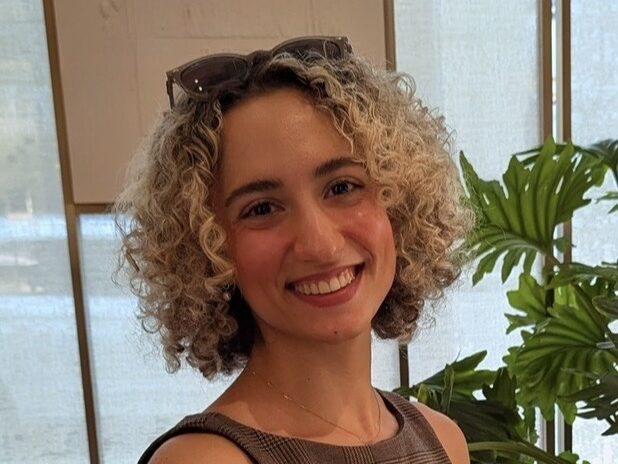
What motivated you to get involved in outreach?
When I first started my PhD, I wanted to give back to the scientific community and inspire the future generation of female scientists and engineers. As a PhD student, I find it to be an incredible privilege being able to share my passion in biomedical engineering with the next generation of scientists and engineers.
What does mentoring girls in STEM mean to you?
As a female engineer, it has been a very empowering experience being able to encourage a younger generation of girls to associate themselves with STEM. Growing up, it was often the boys who were encouraged to pursue engineering. Even during my undergraduate degree in Engineering Physics here at UBC, I only had two to three female Professors out of the tens of courses that I took. As such, I find it particularly important to not only promote young girls to pursue a STEM education, but also to encourage girls who are studying STEM fields to stay in and pursue careers in STEM.
How has mentoring influenced your own journey? Has this experience shaped how you will lead projects in the future.
These mentoring opportunities remind me of how important representation and encouragement can be in changing the entire trajectory of someone’s path. Watching girls grow in confidence and curiosity is really inspiring and makes you see the importance of such outreach and mentoring events. It has also shown me that it’s important to create a space where every voice is heard, one where under-represented individuals aren’t afraid to speak up.
What advice or encouragement would you give to girls who are curious about STEM?
Embrace failure as an integral part of the learning process. Pursue your curiosity and don’t be concerned about what others may think. Don’t be afraid to go places you may not initially be welcome; space will be made for you. Lastly, be bold and feel comfortable expressing yourself and making your voice heard; your ideas and suggestions are just as valid as someone who is more vocal.
What youth mentoring programs have you participated in?
In the past two years, I have mostly been involved in Girls and STEAM Summits at Science World. These are tailored towards girls 12-14 years of age; however, through these events we get a chance to reach an entire range of age groups as the event is open to Science World’s general visitors as well. I’ve also participated in events put together by the Women in FIZZ (Fizz is the student society of Engineering Physics) council here at UBC.
Afsoon G. Mombeini
PhD Candidate, NC4, Dr. Manu Madhav’s Lab
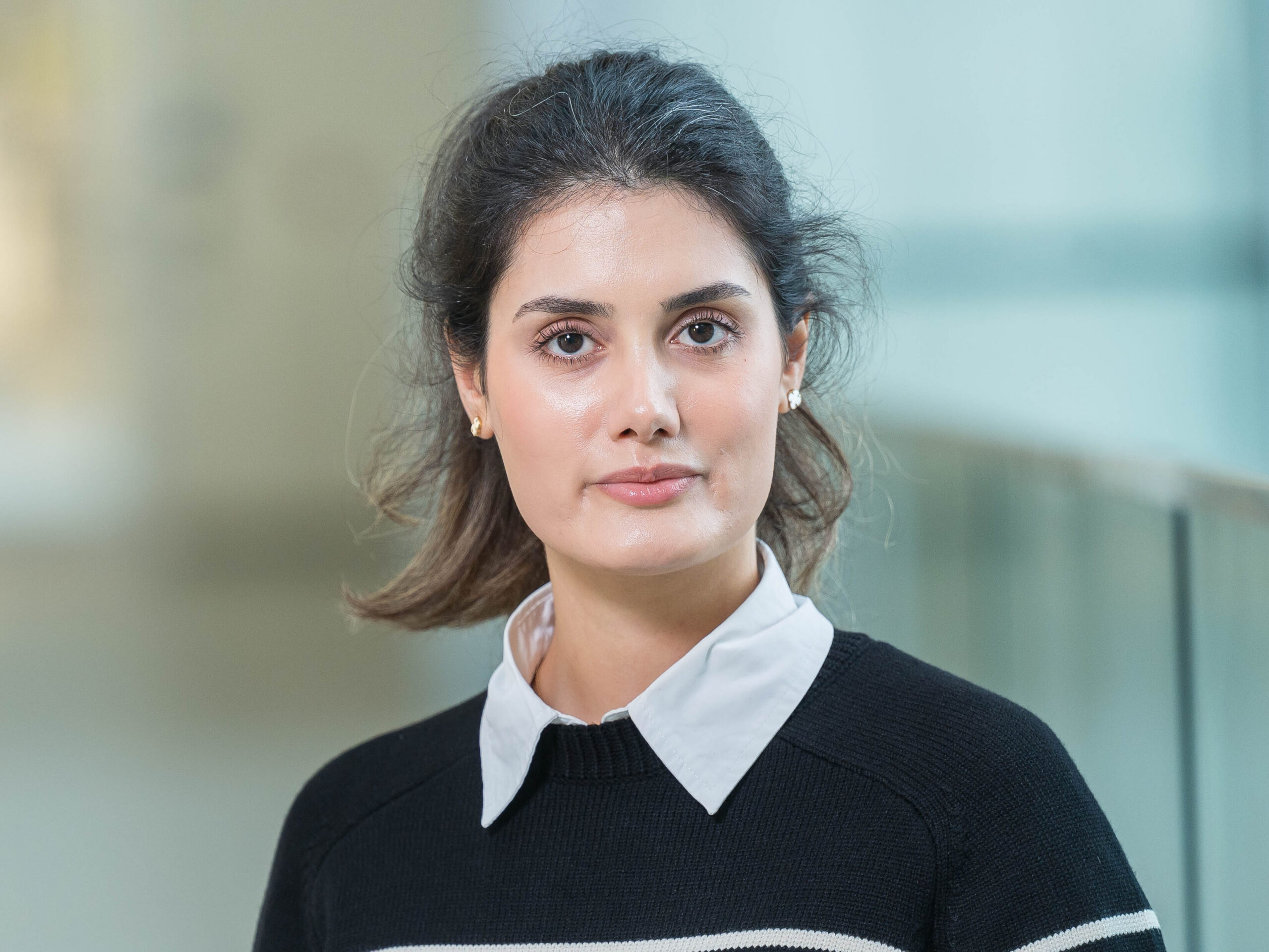
What motivated you to get involved in outreach?
I strongly believe in empowering young people, especially young Indigenous girls, and I hope to see greater representation of them in STEM fields. I am grateful for the opportunity to contribute, even in a small way, toward that goal.
What does mentoring girls in STEM mean to you?
For me, it means helping them see that they truly belong in STEM and that there is a strong community of smart, dedicated women ready to guide and support them.
How has mentoring influenced your own journey? Has this experience shaped how you will lead projects in the future.
Through mentoring, I discovered how much I enjoy working with young girls and seeing the spark in their eyes when they write their first code or grasp a new concept. These experiences showed me how powerful encouragement and representation can be in building confidence. They have motivated me to continue engaging in outreach and to actively support and empower more young girls in STEM.
What advice or encouragement would you give to girls who are curious about STEM?
I would tell them that curiosity is more important than confidence. You don’t need to have all the answers to belong in STEM, you just need the willingness to ask questions and keep learning. Don’t let stereotypes or self-doubt convince you that you are not capable. STEM needs diverse perspectives, creativity, and different ways of thinking. Seek out mentors, support one another, and remember that there is a strong community of women who have walked this path and are ready to help you succeed.
What youth mentoring programs have you participated in?
In collaboration with UBC Geering Up Engineering Outreach, I taught and mentored two groups of high school students, including one all-girls group. I also contributed to the Youth Conference organized by the Squamish Nation Stitsma Career Centre as a member of the SBME Indigenous Engagement Committee.
Kathleen Lac
3rd Year Undergraduate Student

What motivated you to get involved in outreach?
I vividly remember how interactive and engaging outreach programs were when I participated in them as a younger student. It was such a great opportunity to explore other topics outside of school and meet friends who are interested in STEM the same way I was. Wanting to relive those memories as well as provide an opportunity for other young girls to engage in STEM workshops, I was motivated to be a part of the outreach program!
What does mentoring girls in STEM mean to you?
Mentoring young girls in STEM is the most fulfilling role I have ever experienced! It gives me so much drive to continue my own studies, research more about breakthrough medical technology, and continue to share my own experiences with others!
How has mentoring influenced your own journey? Has this experience shaped how you will lead projects in the future.
My experience in mentorship has exposed me to diverse audiences and different socioeconomic groups. It is a strong reminder that the purpose behind my studies and the projects I hope to lead is not just innovation, but to ultimately improve the health and safety of individuals and increase accessible care for all communities around the globe.
What advice or encouragement would you give to girls who are curious about STEM?
Don’t be afraid to speak your mind, share your thoughts, and pitch unique ideas! Whether that is in classroom discussions, project groups, research meetings, or at a Ted Talk, your voice is never quiet!
What youth mentoring programs have you participated in?
I have partnered with leading organizations to deliver free coding workshops to elementary schools across Vancouver, helping increase early access to technology education. I also helped organize and facilitate the first three All-Girls Coding Bootcamps with TELUS, and I volunteered with the School of Biomedical Engineering booth at Science World’s Girls in STEAM event!
Ruth Yu
1st Year MASc, Dr. Govind Kaigala’s Lab

What motivated you to get involved in outreach?
Many of us get into a field because someone ahead of us was willing to share their story, their passion with us, and encourage us to explore different interests. I engage in outreach to help spark someone’s journey, and to pass forward the confidence to act on the many brilliant ideas they may pursue.
What does mentoring girls in STEM mean to you?
It allows young girls to build that conviction that they belong to and are needed in STEM. When they inevitably face moments of feeling discouraged or out of place in the future, this foundation gives them something to return to and ground themselves.
How has mentoring influenced your own journey? Has this experience shaped how you will lead projects in the future.
Mentorship has given me the privilege of understanding without enduring the passage of time. My mentors have shared their wisdom shaped by decades of experience, and their perspectives formed through meeting hundreds of people. These insights have informed my own journey, from navigating project setbacks to deciding the next steps in my career.
What advice or encouragement would you give to girls who are curious about STEM?
Keep that curiosity! It guides you as you navigate the fascinating fields of science and engineering, and to try things that may sound crazy at first, but only because you are the first one doing it!
What youth mentoring programs have you participated in?
I’ve been part of EWB UBC’s mentorship program for high school students, as well as UBC SBME’s undergraduate mentorship program. I also supported outreach efforts with the Canadian Undergraduate Biomedical Engineering Council.
Sogand Golshahian
1st Year MASc, Dr. Kelly McNagny’s Lab
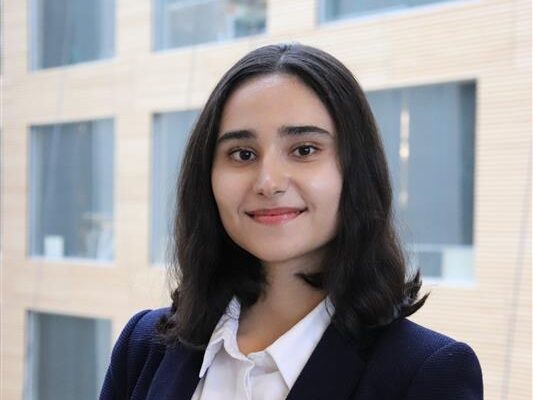
What motivated you to get involved in outreach?
Growing up, I did not know what biomedical engineering was until shortly before applying to university, and discovering it changed the direction of my life. Because of that, I have always wished I had been exposed to the field earlier. Outreach felt like a natural way to share this field with others and help students realize that there are many paths into STEM if they are curious enough to explore them.
What does mentoring girls in STEM mean to you?
Mentoring young girls in STEM means helping create a space where curiosity feels welcomed and where students can see that they truly belong in these fields. I think representation and encouragement at an early stage can make a huge difference in how someone sees their future. Being able to support that sense of possibility is incredibly meaningful to me.
How has mentoring influenced your own journey? Has this experience shaped how you will lead projects in the future.
Mentors have played an incredibly important role throughout my journey, especially during moments where I faced difficult decisions or uncertainty. I genuinely would not be where I am today without the people who took the time to guide me, offer honest and constructive feedback, and encourage me to keep improving. That experience shaped how I mentor others as well; I try to create a supportive environment while also giving thoughtful, realistic feedback that helps people grow. It has also influenced how I approach leadership in research and outreach by prioritizing accessibility, collaboration, and clear communication when working with diverse teams and audiences.
What advice or encouragement would you give to girls who are curious about STEM?
Stay curious and do not be afraid to try things that feel unfamiliar at first. Many people in STEM did not start out knowing exactly what path they would take, and exploration is a big part of the journey. If something sparks your interest, follow that curiosity, because you might discover a field that feels exactly right for you.
What youth mentoring programs have you participated in?
I have been involved in outreach initiatives through UBC and the biomedical engineering community. These include working as an instructor with Geering Up Engineering Outreach, volunteering with Let’s Talk Science, and serving as a Student Ambassador for UBC’s School of Biomedical Engineering. I also lead outreach initiatives in British Columbia for the Canadian Undergraduate Biomedical Engineering Council (CUBEC), where we organize events and activities that introduce younger students to biomedical engineering.
The post Empowering the Future: SBME Scholars Mentoring Girls in STEM appeared first on UBC - SBME.
]]>The post Harnessing AI to improve ovarian cancer appeared first on UBC - SBME.
]]>An international collaboration involving UBC researchers has been awarded $2M to use AI to identify factors tied to long-term survival.
Gene-editing tools like CRISPR have unlocked new treatmUBC researchers are part of an international team awarded $2 million to study how artificial intelligence (AI) can improve prediction of ovarian cancer survival, guide treatment selection, and ultimately lead to better patient outcomes.ents for previously uncurable diseases. Now, researchers at UBC are extending those possibilities to the skin for the first time.
New treatments for high-grade serous ovarian cancer, the most common form of ovarian cancer, have been introduced over the last decade, but still 70 per cent of patients will experience recurrence and five-year survival rates are low.
With this grant, researchers will use state-of-the-art AI to help predict survival and guide treatment selection and clinical trial recommendations.
The award includes a $1 million AI Accelerator Grant from the Global Ovarian Cancer Research Consortium, founded by Ovarian Cancer Canada, the Ovarian Cancer Research Alliance (United States), Ovarian Cancer Action (United Kingdom) and Ovarian Cancer Research Foundation (Australia), as well as another $1 million in compute power from Microsoft’s AI for Good Lab.
The researchers represent the Multidisciplinary Ovarian Cancer Outcomes Group, or MOCOG, which was founded in 2012 with a goal to identify the factors associated with long-term survival in high-grade serous ovarian cancer. The group includes investigators and patient advocates from Canada, Australia, the United Kingdom and the United States.
“Researchers in British Columbia have been leading the way on ovarian cancer care — including disease prevention, diagnosis and personalized treatment — for more than a decade,” said Dr. Ali Bashashati, the lead Canadian researcher on the project and an associate professor in UBC’s School of Biomedical Engineering and Department of Pathology and Laboratory Medicine. “I am proud to be part of expanding our province and nation’s leadership in artificial intelligence and ovarian cancer care on a global stage.”

“Researchers in British Columbia have been leading the way on ovarian cancer care — including disease prevention, diagnosis and personalized treatment — for more than a decade,” said Dr. Ali Bashashati, the lead Canadian researcher on the project and an associate professor in UBC’s School of Biomedical Engineering and Department of Pathology and Laboratory Medicine. “I am proud to be part of expanding our province and nation’s leadership in artificial intelligence and ovarian cancer care on a global stage.”
A global research collaboration
The team will analyze one of the largest and most comprehensive international collections of ovarian cancer data assembled to date, integrating tumor images and molecular data, clinical records, immune features, genetic information and lifestyle factors from patients across international research groups.
Despite the robust data, conventional statistical models have had limited success identifying distinct markers of longer survival. The goal is to use AI to uncover more complex patterns and develop robust tools to predict treatment response that will directly guide treatment choices.
Dr. Bashashati, who is director of AI research for B.C.’s Ovarian Cancer Research Program (OVCARE), will lead the project’s AI work with investigators from UBC, BC Cancer and the Vancouver Coastal Health Research Institute. Other B.C. investigators include Dr. Gillian Hanley, associate professor of obstetrics and gynaecology at UBC, and Dr. Brad Nelson, professor of medical genetics at UBC and distinguished scientist at BC Cancer.
In addition to Dr. Bashashati, the research team leaders include experts representing epidemiology, molecular oncology, and clinical medicine, including Dr. Celeste Leigh Pearce, University of Michigan, United States; Dr. Susan Ramus, University of New South Wales, Australia; and Dr. James Brenton, University of Cambridge, United Kingdom.
“This grant reflects exactly why we created the Global Ovarian Cancer Research Consortium — to bring together outstanding global partners to tackle the challenges that have stalled progress in ovarian cancer for far too long,” said Audra Moran, president and CEO of Ovarian Cancer Research Alliance. “Artificial intelligence has the potential to accelerate breakthroughs across the ovarian cancer continuum, from prediction to treatment selection.”
Microsoft is partnering on the grant through its AI for Good Lab, donating nearly $1 million in in-kind Azure compute credits to the project. This computing support will enable the research team to accelerate large-scale data analysis essential to the project’s goals.
“New discoveries are urgently needed to find lifesaving treatments for ovarian cancer,” said Juan Lavista Ferres, chief data scientist at Microsoft and director of Microsoft’s AI for Good Lab. “Equipping leading researchers around the globe with powerful AI tools and computing resources will help accelerate their critical work and drive progress toward breakthroughs that could save lives.”
This post originally appeared on www.med.ubc.ca
The post Harnessing AI to improve ovarian cancer appeared first on UBC - SBME.
]]>The post SBME Researchers Awarded CIHR Project Grant Funding appeared first on UBC - SBME.
]]>Researchers from the UBC School of Biomedical Engineering (SBME) have been awarded funding through the Canadian Institutes of Health Research (CIHR) Project Grant: Fall 2025 competition, as part of a major national investment in health research.
In total, 47 UBC-led projects received $35.1 million in combined funding through this competition. These awards support innovative, high-impact research addressing critical health challenges in Canada and beyond.
SBME-Led CIHR Project Grants
Dr. Anna Blakney
(Michael Smith Laboratories / School of Biomedical Engineering)
Engineering Longer-Lasting RNA Therapeutics for Treatment of Blood Disorders

Dr. Sarah Hedtrich
(School of Biomedical Engineering)
In Situ Gene Editing to Rescue Genetic Skin Diseases

Dr. Fabio Rossi
(School of Biomedical Engineering / Medical Genetics)
Investigating the role of muscle stromal cells in pancreatic cancer cachexia and associated myosteatosis
Setting the homeostatic inflammatory environment: role of the Tak1-NFκB pathway in mesenchymal stromal cells

SBME-Led CIHR Priority Announcement Grant
Dr. Lyndia Wu
(Mechanical Engineering / School of Biomedical Engineering), Co-Principal Investigator: Dr. Songbai Ji (Worcester Polytechnic Institute)
Sex-specific biomechanical thresholds and cumulative risk models for sports-related brain injury
Priority Announcement Area: Female Athlete Health

At the national level, CIHR approved 421 research grants for a total investment of approximately $413 million, along with 83 priority announcement grants and 17 supplemental prizes.
These awards highlight the excellence, innovation, and interdisciplinary strength of SBME researchers. Congratulations to all investigators and research teams on this outstanding achievement.
Learn more:
The post SBME Researchers Awarded CIHR Project Grant Funding appeared first on UBC - SBME.
]]>The post Glowing bacterial sensors detect gut illness in mice before symptoms emerge appeared first on UBC - SBME.
]]>UBC researchers have engineered gut bacteria that dim their fluorescent glow in the presence of illness.
Their findings, published in Cell today, could improve how we diagnose problems in the gut by using bacteria that already live there.
“Our biosensors could improve the ability to predict how diseases in the gut progress, identifying early changes that could aid preventative interventions,” said co-first author Juan Camilo Burckhardt (he/him), a doctoral candidate in the department of microbiology and immunology (MBIM).
The current gold standard methods for peering into the gut involve invasive procedures that can only provide a single snapshot of gut health. The UBC-developed biosensor, currently tested in mice, establishes a new technology that can provide non-invasive, continuous monitoring through stool samples.
Utilizing ‘good’ gut bacteria
“Beneficial bacteria that naturally reside in the intestine and support gut health are highly sensitive to local conditions and have evolved to thrive long-term in these environments,” said first co-author Dr. Giselle McCallum (she/her), who worked on the research as a doctoral student. “Building biosensors in these bacteria therefore allows researchers to continuously monitor the gut environment without disturbing it.”
The team homed in on Bacteroides thetaiotaomicron (B. theta), a native gut bacterium that can be easily modified in the lab. They identified genes in B. theta that are ‘turned on’ in response to gut disruptions common in gastrointestinal diseases such as celiac and inflammatory bowel diseases.
One key disruption is osmotic stress: When the gut can’t absorb food properly, undigested molecules build up and draw water into the bowel. This may lead to diarrhea, inflammation and potential worsening of the original disease.
“Understanding these gut changes is essential for advancing our diagnostic and treatment strategies for gut health,” said senior author Dr. Carolina Tropini (she/her), assistant professor in MBIM and the school of biomedical engineering. “For that, we need highly sensitive measurements as those changes occur, including before symptoms appear.”
Linking glowing proteins
Biosensors are usually made by engineering bacteria to glow when they are stressed. In B. theta, however, this glow is too weak to detect. To solve this, the researchers flipped the system: they engineered the bacteria to glow brightly under normal conditions and dim when stressed. Higher osmotic stress in the gut therefore causes a weaker glow, allowing researchers to measure stress by how much the signal fades.
The team then tested their biosensor in mice, analyzing stool samples to measure the intensity of the glow in individual bacterial cells.
“We found that the biosensor accurately reported osmotic stress in the gut, even picking up subtle changes that didn’t cause clinical symptoms like diarrhea. It remained stable and responsive for weeks, which means it could track the gut environment long-term and potentially detect illness before symptoms develop,” Burckhardt said.
The researchers can now adapt their biosensor to report on other gut conditions and potentially develop sensors that can read multiple changes at once, including oxygen, temperature and pH levels in the gut.
“While early applications will likely focus on monitoring gastrointestinal diseases, the long-term goal is a personalized approach where people can track aspects of their gut health over time and identify early warning signs of imbalance or dysfunction,” said Dr. Tropini.
The researchers hope that their study lays the groundwork for an array of next-generation living biosensors, including bacterial systems that deliver drugs only when specific disease-related changes are detected.
For more information, please contact:
Chris Balma
The post Glowing bacterial sensors detect gut illness in mice before symptoms emerge appeared first on UBC - SBME.
]]>The post Scientists develop first gene-editing treatment for skin conditions appeared first on UBC - SBME.
]]>UBC Medicine researchers have created a topical CRISPR-based therapy that could offer a lasting cure for a range of skin disorders.
Gene-editing tools like CRISPR have unlocked new treatments for previously uncurable diseases. Now, researchers at UBC are extending those possibilities to the skin for the first time.
The UBC team, together with researchers from the Berlin Institute of Health at Charité in Germany, has developed the first gene therapy capable of correcting faulty genes when applied directly to human skin. Outlined today in a paper published in Cell Stem Cell, the breakthrough could lead to new treatments for a wide range of genetic skin conditions, from rare inherited diseases to more common disorders like eczema.
“With this work, we show that it is possible to correct disease-causing mutations in human skin using a topical treatment that is safe, scalable and easy-to-use,” said Dr. Sarah Hedtrich, an associate professor at UBC’s School of Biomedical Engineering and senior author of the study. “Importantly, the approach corrects the root cause of disease, and our data suggests that a one-time treatment might even be enough to provide a lasting and durable cure.”
Broad therapeutic potential
In the study, the researchers show the gene therapy can correct the most common genetic mutation behind autosomal recessive congenital ichthyosis (ARCI), a rare and life-threatening inherited skin disorder that appears at birth.
Affecting approximately one in 100,000 people, ARCI causes lifelong complications including extremely dry and scaly skin, chronic inflammation and a high risk of infections. There is currently no cure or effective treatment, and patients must manage their symptoms for life.
“For many patients, this condition is not only physically painful, but also deeply stigmatizing and isolating,” said Dr. Hedtrich, who is also a Tier 1 Canada Research Chair in Human Disease Models.
By testing the treatment in models made from living human skin, the team showed it can restore up to 30 per cent of normal skin function—a level that previous research suggests could be clinically meaningful for returning skin function to normal.

While ARCI affects relatively few people, the researchers say the treatment strategy could be adapted to many other genetic skin diseases, including epidermolysis bullosa—a severe skin blistering condition often called ‘butterfly skin’—and potentially more common conditions such as eczema or psoriasis.
The approach we developed is a platform technology,” said Dr. Hedtrich. “It can be readily adapted to treat almost any skin disease.”
A new way to deliver CRISPR gene editing
Despite major advances in gene editing, applying the technology to skin diseases has remained a long-standing challenge. The skin’s primary role is to protect the body from the outside world, making it difficult to deliver large biological therapies, such as gene editors, past its protective barrier.
To overcome this, the team developed a novel delivery method that uses lipid nanoparticle technology, or LNPs. These microscopic “bubbles of fat,” first pioneered by UBC professor Dr. Pieter Cullis and brought to global prominence through mRNA vaccines, are able to carry gene-editing technology into cells.
Using a clinically approved laser, the researchers first create microscopic, pain-free openings in the outer layers of the skin. This allows the lipid nanoparticles to pass through the skin barrier and reach skin stem cells beneath the surface. Once inside, the gene editor corrects the underlying DNA mutation, enabling the skin to begin functioning more normally.
“This is a highly targeted, localized approach,” said Dr. Hedtrich. “The treatment stays in the skin and we saw no evidence of off-target effects, which is a critical safety milestone.”
The study was conducted in close collaboration with Vancouver-based biotech company NanoVation Therapeutics, a UBC spin-off focused on developing LNP-based genetic medicines. The researchers now hope to bring the treatment into clinical testing and have already been working with regulatory authorities to define the necessary safety and efficacy studies.
“Our goal now is to take this from the lab into first-in-human clinical trials,” said Dr. Hedtrich. “We hope this work will ultimately lead to a safe, effective treatment that can transform the lives of patients who currently have no real therapeutic options.”
This study was supported by the Canadian Institutes of Health Research, the Foundation Charité, the LEO Foundation, and SPARK-BIH.
This post originally appeared on www.med.ubc.ca
The post Scientists develop first gene-editing treatment for skin conditions appeared first on UBC - SBME.
]]>The post Research paves the way for safer colonoscopy bowel prep for people with compromised gut health appeared first on UBC - SBME.
]]>By Sarah Anderson, PhD
New preclinical research suggests that bowel preparation procedures for colonoscopies may temporarily alter gut balance, culminating in unappreciated effects in patients with compromised gastrointestinal health.
The study, published in Cell Reports Medicine, found that simulating bowel preparation in mouse models disrupted the gut environment, making the mice more susceptible to infection and inflammation.
“Colonoscopies play a crucial role in the diagnosis and treatment of gastrointestinal pathologies, including cancer, so it’s important to emphasize that we’re not trying to scare anyone away from doing bowel preparation for a colonoscopy,” said Carolina Tropini, a professor in the Department of Microbiology and Immunology and the School of Biomedical Engineering and senior author of the study. “But with further studies in humans, we hope to understand whether there are situations in which, for specific patients, these procedures may put them at risk of disease exacerbation.”
The findings could help guide strategies to make colonoscopies safer for people with inflammatory bowel disease (IBD), who undergo the procedure more frequently than the general population.
Before a colonoscopy, the patient ingests a laxative solution to clean out the intestinal contents, allowing the doctor to insert a probe and get a clear picture of the health of the lower digestive tract. But for some, bowel preparation amounts to more than just one unpleasant evening spent in the bathroom.
In previous work with Sidhartha Sinha’s lab at Stanford University, Tropini’s team found that people with IBD were more likely to be prescribed anti-inflammatory steroids in the weeks following bowel preparation, hinting at the phenomenon of post-procedure flare-ups.

In the new study, the researchers administered to mice a solution of polyethylene glycol (PEG), the active ingredient in laxatives used in bowel preparation. PEG triggered diarrhea in the mice, temporarily depleting the protective mucus barrier that lines the gastrointestinal tract as well as the beneficial bacteria that reside in the gut. The treatment also reduced the levels of short-chain fatty acids — small molecules that gut bacteria produce to help fight infection and inflammation.
While the mice recovered their healthy state within a few days, bowel preparation appeared to create a window of weakened defenses against pathogens. To explore this, the researchers administered either the PEG laxative solution or water to mice and then exposed them to Salmonella Typhimurium, a model infectious bacterium. In the water treatment group, there were no signs of Salmonella Typhimurium infection, but in the PEG treatment group, the bacterium bloomed inside the gut and spread to the lymph nodes, spleen and liver.
The team next investigated how pathogens might exploit the unique conditions of bowel preparation to expand in the context of IBD. As part of their community of gut microorganisms, people with IBD often harbor pathobionts — bacteria that are usually benign, but can act as pathogens in a disrupted environment.
To mimic the scenario in which a patient receives a colonoscopy shortly after a period of inflammation, the researchers colonized mice with gut microorganism samples from two people with ulcerative colitis, a type of IBD. They treated the mice with a chemical that induces inflammation and then performed the bowel preparation procedure on a portion of the rodents.
While the control group quickly recovered from the chemical inflammation treatment, the bowel preparation group showed a short-term increase in inflammatory disease activity and gastrointestinal tissue changes. The bowel preparation cohort also displayed higher levels of IBD-associated pathobionts, which have been linked to worsened inflammation, in organs outside of the gut.
The findings warrant clinical studies into the risks of bowel preparation for vulnerable patient populations. The team is now collaborating with Genelle Lunken’s lab at the BC Children’s Hospital Research Institute to collect survey information from people undergoing colonoscopies to generate more rigorous data on the potential for IBD symptom exacerbation following the procedure.
If the results are validated in humans, “We can use our model to look into ways to make bowel preparation safer for people with IBD,” Tropini said. For example, tweaking the laxative formulation or co-administering beneficial gut bacteria, short-chain fatty acids or agents that preserve the mucus lining might help mitigate adverse effects, enabling safe and effective colonoscopies.
This story was originally published by UBC Science.
The post Research paves the way for safer colonoscopy bowel prep for people with compromised gut health appeared first on UBC - SBME.
]]>The post Stem cell engineering breakthrough paves way for next-generation living drugs appeared first on UBC - SBME.
]]>For the first time, researchers at UBC have demonstrated how to reliably produce an important type of human immune cell — known as helper T cells — from stem cells in a controlled laboratory setting.
The findings, published today in Cell Stem Cell, overcome a major hurdle that has limited the development, affordability and large-scale manufacturing of cell therapies. The discovery could pave the way for more accessible and effective off-the-shelf treatments for a wide range of conditions like cancer, infectious diseases, autoimmune disorders and more. “This is a major step forward in our ability to develop scalable and affordable immune cell therapies.” said Dr. Peter Zandstra.

“Engineered cell therapies are transforming modern medicine,” said co-senior author Dr. Peter Zandstra, professor and director of the UBC School of Biomedical Engineering. “This study addresses one of the biggest challenges in making these lifesaving treatments accessible to more people, showing for the first time a reliable and scalable way to grow multiple immune cell types.”
The promise and challenge of living drugs
In recent years, engineered cell therapies, such as CAR-T treatments for cancer, have delivered dramatic and lifesaving results for patients with otherwise untreatable disease. These therapies work by reprogramming human immune cells to recognize and attack illness, essentially turning the cells into ‘living drugs.’
Despite their tremendous promise, cell therapies remain expensive, complex to produce and inaccessible to many patients worldwide. One major reason is that most current treatments are made from a patient’s own immune cells, requiring weeks of customized manufacturing for each patient.

“The long-term goal is to have off-the-shelf cell therapies that are manufactured ahead of time and on a larger scale from a renewable source like stem cells,” said co-senior author Dr. Megan Levings, a professor of surgery and biomedical engineering at UBC. “This would make treatments much more cost-effective and ready when patients need them.”
Cell therapies for cancer work best when two types of immune cell are present: killer T cells, which directly attack infected or cancerous cells, and helper T cells, which act as the immune system’s conductors — detecting health threats, activating other immune cells and sustaining the immune responses over time.
Although progress has been made using stem cells to generate killer T cells in the lab, scientists have so far been unable to reliably produce helper T cells.
“Helper T cells are essential for a strong and lasting immune response,” said Dr. Levings. “It’s critical that we have both to maximize the efficacy and flexibility of off-the-shelf therapies.”

A big step toward stem cell-grown therapies
In the new study, the UBC researchers were able to solve this long-standing challenge — adjusting key biological signals during cell development to precisely control whether stem cells developed into either helper or killer T cells.
The team discovered that a developmental signal called Notch plays a critical but time-sensitive role. While Notch is needed early in immune cell development, if the signal remains active for too long, it prevents helper T cells from forming.
“By precisely tuning when and how much this signal is reduced, we were able to direct stem cells to become either helper or killer T cells,” said co-first author Dr. Ross Jones, a research associate in the Zandstra Lab. “We were able to do this in controlled laboratory conditions that are directly applicable in real-world biomanufacturing, which is an essential step toward turning this discovery into a viable therapy.”

Importantly, the researchers demonstrated that the lab-grown helper T cells didn’t just resemble real immune cells — they behaved like them. The cells showed markers of healthy mature cells, carried a diverse range of immune receptors and could specialize into subtypes that play distinct roles in immunity.
“These cells look and act like genuine human helper T cells,” said co-first author Kevin Salim, a UBC PhD student in the Levings Lab. “That’s critical for future therapeutic potential.”
The researchers say the ability to generate both helper and killer T cells — and to control the balance between them — will significantly improve the efficacy of stem cell-grown immune therapies in the future.
“This is a major step forward in our ability to develop scalable and affordable immune cell therapies,” said Dr. Zandstra. “This technology now forms the foundation for testing the role of helper T cells in supporting the elimination of cancer cells and generating new types of helper T cell-derived cells, such as regulatory T cells, for clinical applications.”
This study was funded by Genome BC, the Wellcome Leap Human Organs, Physiology and Engineering (HOPE) program, the Canada Foundation for Innovation, B.C. Knowledge Development Fund, and the Canadian Institutes of Health Research.
The post Stem cell engineering breakthrough paves way for next-generation living drugs appeared first on UBC - SBME.
]]>