
Last updated on February 23, 2026

Contract from Below | Illustration by Douglas Shuler
Have you ever opened a booster pack and found a damaged card? Maybe it was miscut, crimped, or even printed with parts of another card. Before you toss it aside, hold up! You might be holding a cool oddity collectors are willing to pay for. Today, we’re breaking down the most common—and most surprising— misprints people have discovered. Intrigued? Let’s dive in!
What Are Misprints in MTG?

Ephemerate | Illustration by Bastien L. Deharme
Misprints in Magic: The Gathering are cards that came out of the factory with physical mistakes—things like bad cuts, ink problems, or alignment issues that happened during the actual printing process. These are very different from “human error” cards, which include typos, wrong art, or other design slip-ups that happened before printing even began. In this article, we’ll break down the main types of MTG misprints, show plenty of examples, and answer common questions about value, legality, and what makes these oddities so interesting.
Misprints vs Human Error Cards

Not every mistake on a Magic card counts as a true misprint, at least not in the way collectors use the term. Real misprints come from the factory—problems during the actual printing or cutting process that physically change how a card looks. These are things like miscuts, missing ink, color shifts, or alignment issues that happened because a machine slipped up. Each one is often unique, which is a big part of why collectors love them.
Human error cards, on the other hand, come from mistakes made before the printing even starts. These happen during design, editing, or templating, so you’ll see things like typos, wrong artwork, or incorrect artist credits. A classic example is the Revised version of Serendib Efreet, which famously ended up with the wrong art. Since these errors exist in the digital file used for printing, every copy of the card from that run ends up with the same mistake.
Because human error cards are mass-printed accidents, they usually aren’t worth much to misprint collectors. There’s nothing “one-of-a-kind” about them—they’re more like widespread quirks. So, for the purpose of this article, when we talk about misprints, we’re referring strictly to physical factory errors, not the editorial slip-ups that happen during design.
Types of Misprints
Misprints show up in all kinds of strange and fascinating ways, and no two categories look exactly alike. Understanding the main types helps you recognize what you’re looking at—and why some errors are more valuable or desirable than others. Let’s break down the biggest categories collectors care about.
Miscut Cards

Miscut cards happen when the cutting machine slices the sheet in the wrong place, leaving the card way off-center. If you can actually see part of another card on the edge, that’s a rare miscut; if it’s just slightly off, it’s usually not as exciting to collectors. Some miscuts even show the printer’s color bars or blank space from the sheet’s edge. The more severe the shift—and the more valuable the original card—the more collectors tend to pay. Extreme examples, like the famously miscut Arcane Maelstrom Commander deck, can become collectible just because of how dramatic they look.
Crimped Cards

Crimped cards get their damage during packaging, not printing. When a card slips into the sealing area of a booster pack, the heat-seal crimps the edge, leaving a bumpy pattern across the top, bottom, or in rare cases, right through the middle. These are easy to spot by their ridged edges and can vary by region because different factories use different sealing machines. Minor crimps on commons aren’t worth much, but a crimped rare or foil can be surprisingly valuable. Some extreme crimps even cut a card in half, which makes them oddly collectible if both halves ever resurface.
Ink Errors & Color Misprints

Ink issues can make a card look completely wild. Sometimes a whole color layer fails to print, leaving a card washed-out or missing text entirely. Other times, excess ink causes smears or splotches that streak across the card. Famous cases include albino cards with no black ink or the iconic “Blue Hurricane”, where a Hurricane was accidentally printed with a blue frame. These errors range from subtle ghosting to dramatic double-prints where the entire image appears twice. The more visually striking the mistake, the more collectors tend to value the card.
Blank Cards or Missing Pieces
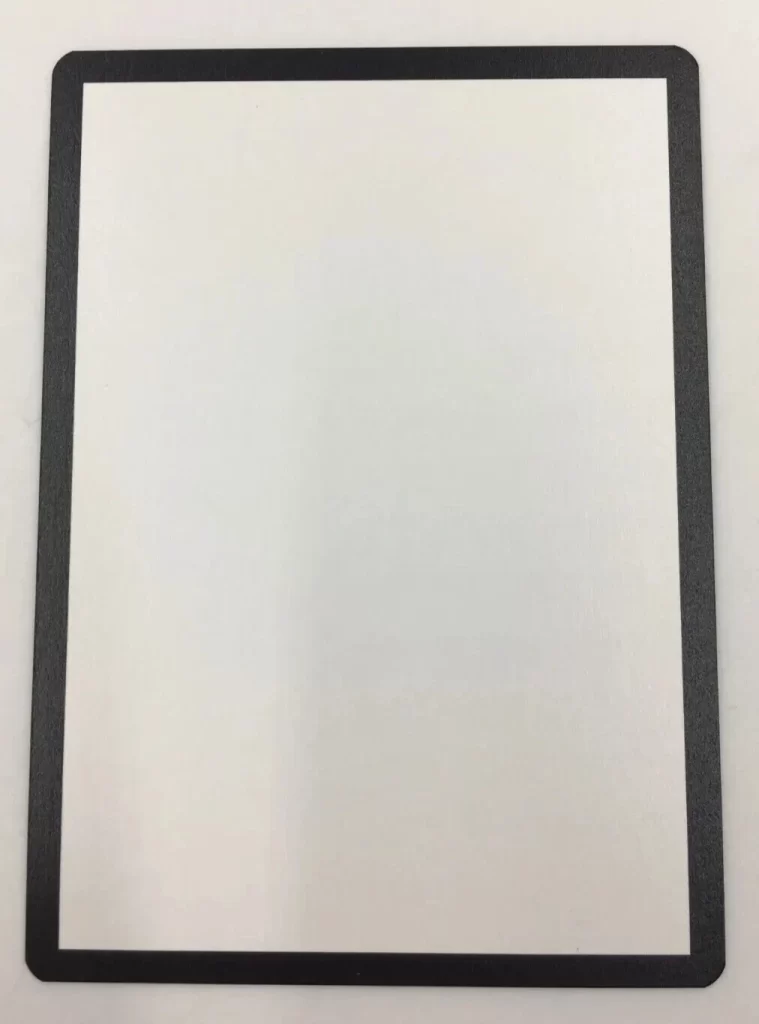
Occasionally, a card goes through the machines without being printed on one side, leaving you with a completely blank front or back. These stand out immediately and are considered rare because they look like unfinished prototypes. There are also partial missing-ink errors, like cards with no text box, missing set symbols, or rares that never received their foil stamp. Since these cards look so unusual—especially the fully blank ones—they tend to be some of the most sought-after misprints.
Wrong Back or Mixed Cards

Every now and then, sheets from different games get mixed up at the factory, leading to legendary oddities like a Pokémon card printed with a Magic back. Even within MTG, you might see a card with an upside-down back, a mismatched back from another card, or backs printed with missing sections. These mix-ups are incredibly rare and instantly stand out as true misprint trophies for collectors.
Other Odd Misprints

Many strange things have happened inside Magic’s printing factories—square-corner cards where the cutter never rounded the edges, diagonal cuts that leave the card shaped like a diamond, and even cards printed with debris stuck to them (including the famous “fly on the card” misprint). Some cards have been folded during printing, printed over tape, or ended up with text and art in the wrong places. If it’s weird and looks like something that absolutely shouldn’t exist, chances are collectors are fascinated by it.
#25. The Unfittable Mutavault

This Mutavault is miscut in a pretty wild way — two rounded corners, two square corners, and the whole card is way off-center. But the real kicker? It literally can’t fit into a booster pack properly. It’s a misprint so extreme that it breaks the basic rules of card shape!
#24. The Gold Uncommon

Some uncommons from The Lord of the Rings set accidentally got printed with a golden triangle rarity symbol, which they definitely weren’t supposed to have. This version of Elrond, Lord of Rivendell is a perfect example.
#23. Zero-Mana Elesh Norn

It turns out Elesh Norn, Grand Cenobite has finally merged with the machines. This version is half-artifact and somehow costs 0 mana. It’s actually an NFC (not factory cut) miscut, which means someone cut up an uncut sheet by hand to create these weird borders. You can tell right away just by looking at the edges.
#22. Double Approved Rakdos, Patron of Chaos
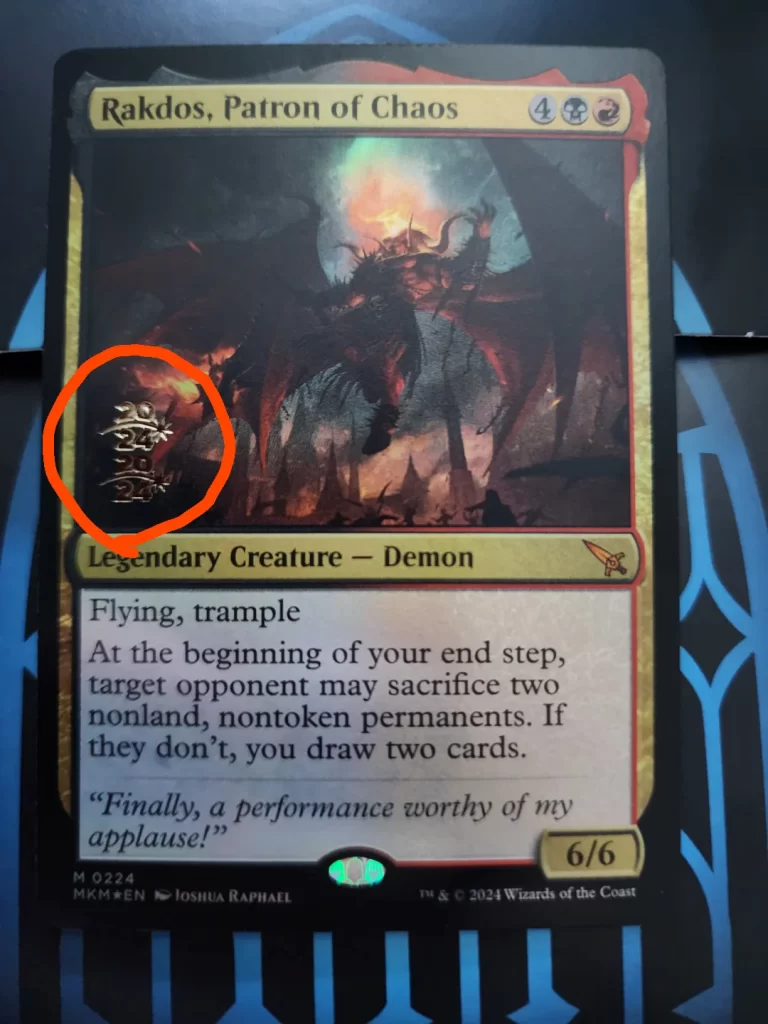
I’ve seen stamps placed way off to the side, but getting two stamps on the same card is wild. This copy either time-traveled from the future or is simply one of the coolest production errors out there.
#21. Serrated Mana Drain

Most crimped cards have pretty normal-looking crimps, but this Mana Drain has one right on the edge, almost like someone sliced it with a tiny saw. It gives the card a textured, jagged feel unlike anything you normally see.
#20. The Golden Aerith

This one feels straight out of Charlie and the Chocolate Factory — like you opened a golden ticket. Pulling a golden Aerith Gainsborough definitely comes with that same magical vibe.
#19. The Arena Wildcard IRL
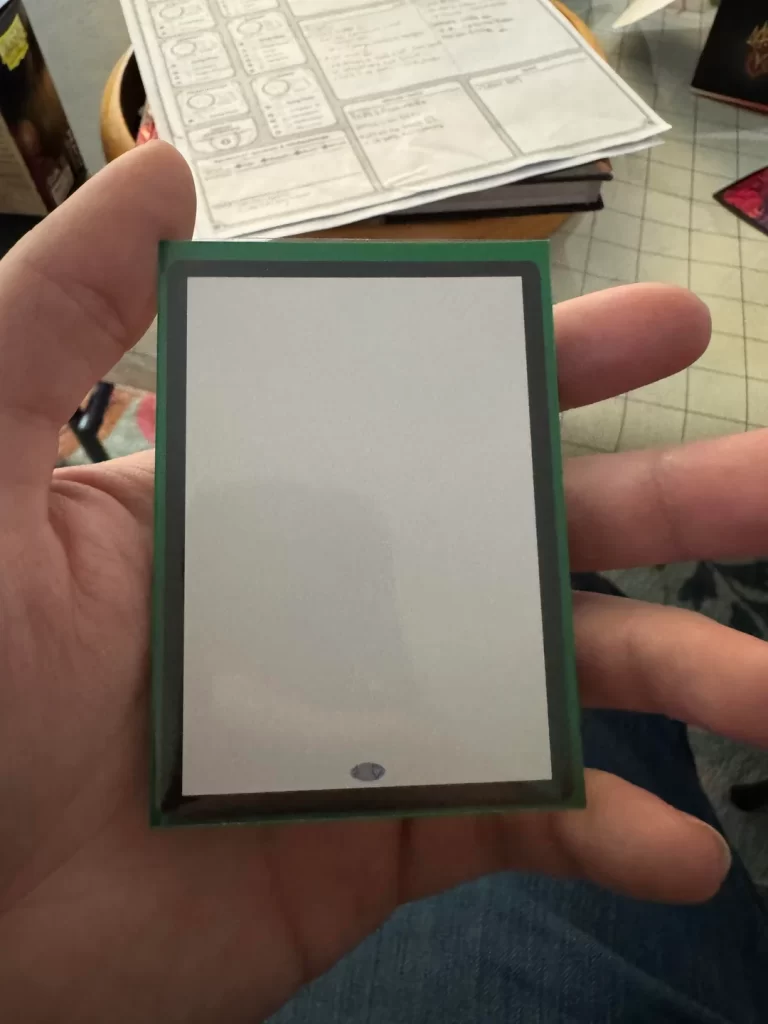
Need a Black Lotus? Well, you can’t legally play one, but for about $20 you can pick up a real blank Magic card with an actual MTG back. Players love these because they make perfect high-quality proxies.
#18. When WotC Runs Out of Ink
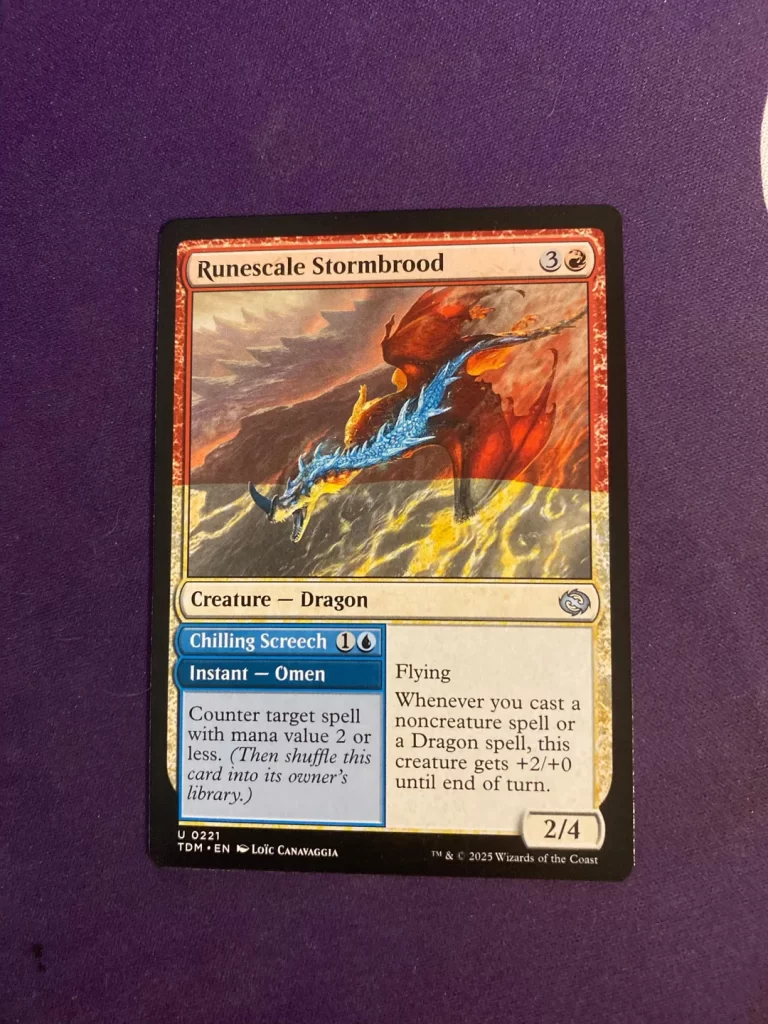
Ever wondered what happens when a massive company like Wizards runs low on printer ink? This copy of Runescale Stormbrood is the answer. Parts of the card are so faded that you can literally see the moment the printer started giving up.
#17. A Very Unusual Precon
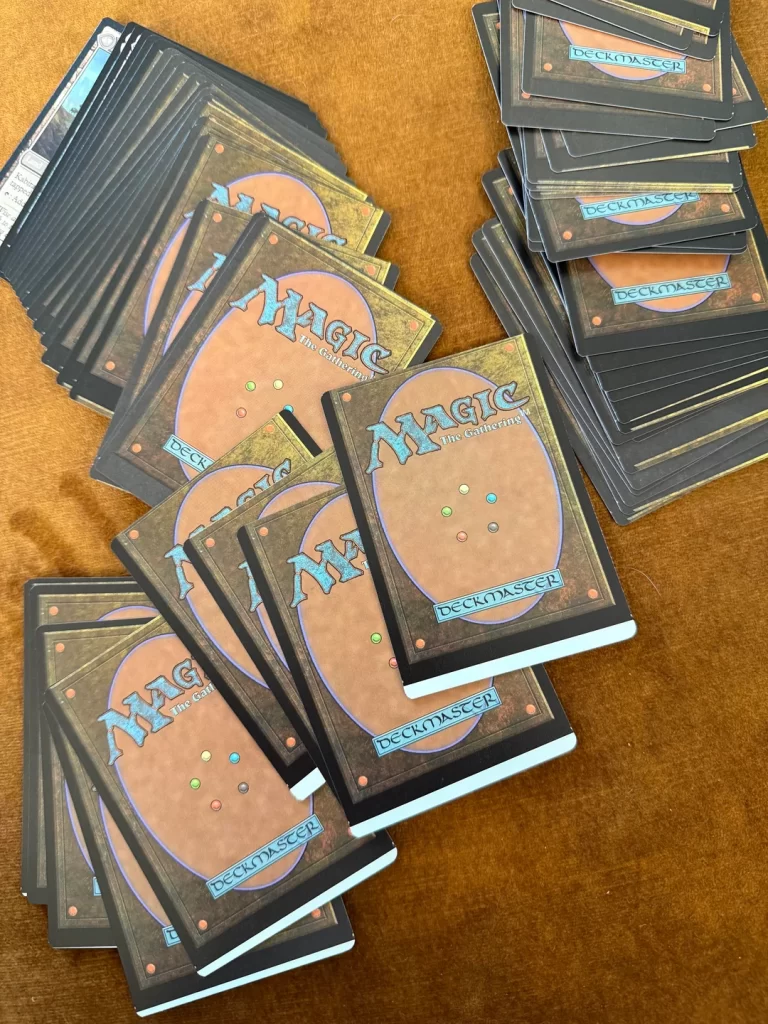
Miscuts happen fairly often to single cards, but an entire preconstructed deck coming out miscut is on another level. It’s one of the rarest types of errors you can find and a true collector’s trophy.
#16. The Transparent Booster

Some boosters from certain sets were accidentally made with see-through wrapping. You couldn’t see the whole pack, but you could easily make out the front card — and sometimes even the rare if you tilted it right. These usually go for about $40–80 unopened.
#15. Bolas’s Crimped Citadel
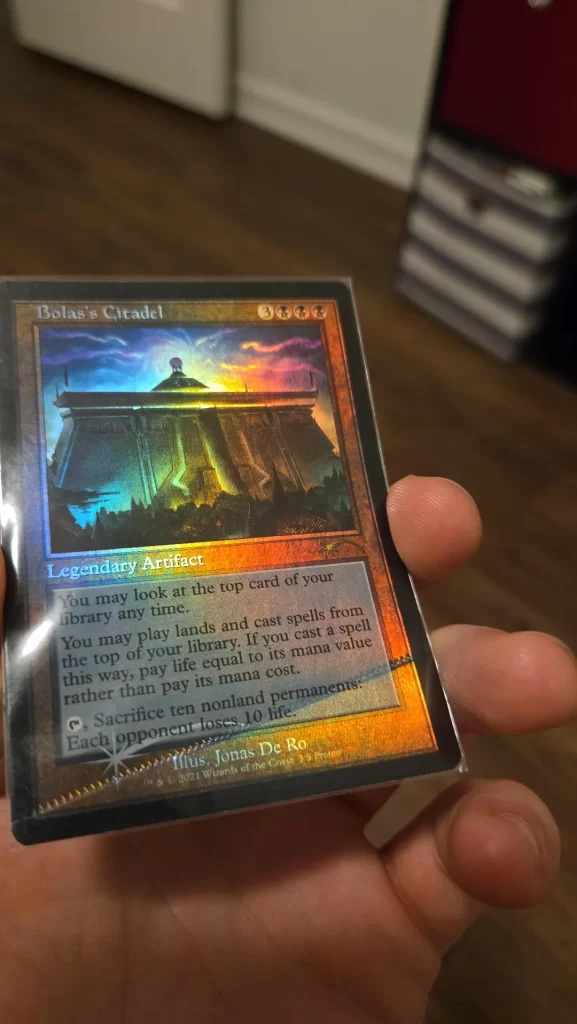
Crimped cards are already fun, but this one has the crimp in a really unusual spot. Somehow, this card made it out of the machines alive, and the odd placement just makes it even cooler.
#14. Old TV Thraben Inspector
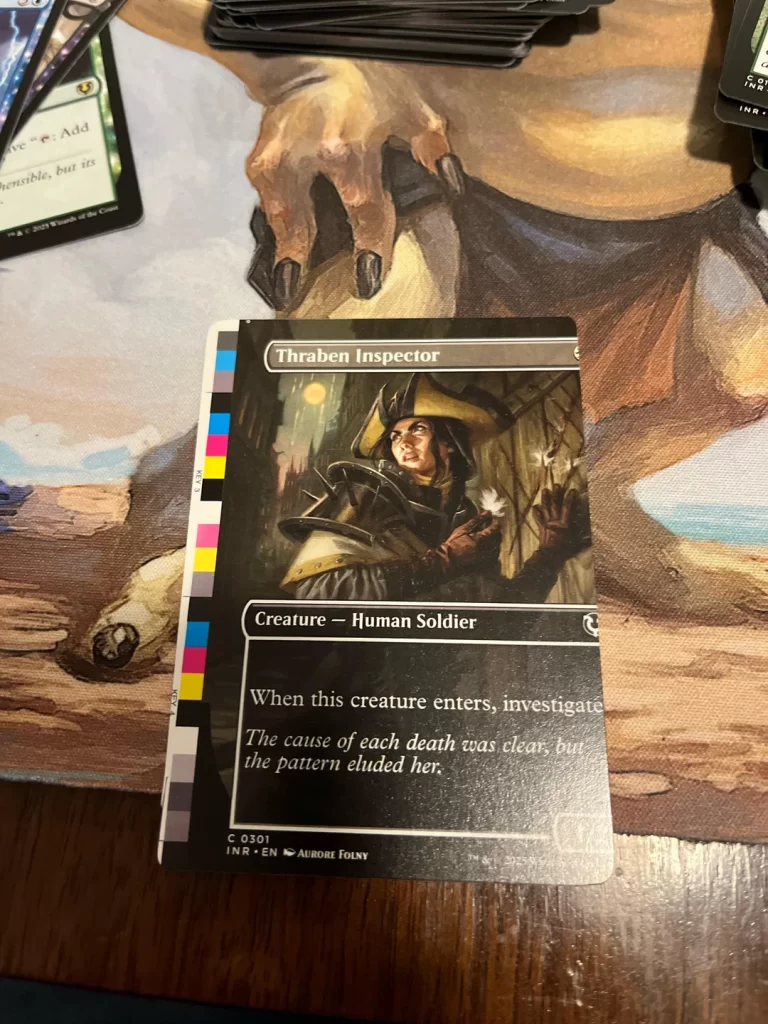
This version of Thraben Inspector looks like what used to happen when old TV commercials suddenly glitched or cut off. The faded colors and strange lines give it that retro “broadcast error” vibe.
#13. Identity Crisis Sink into Stupor
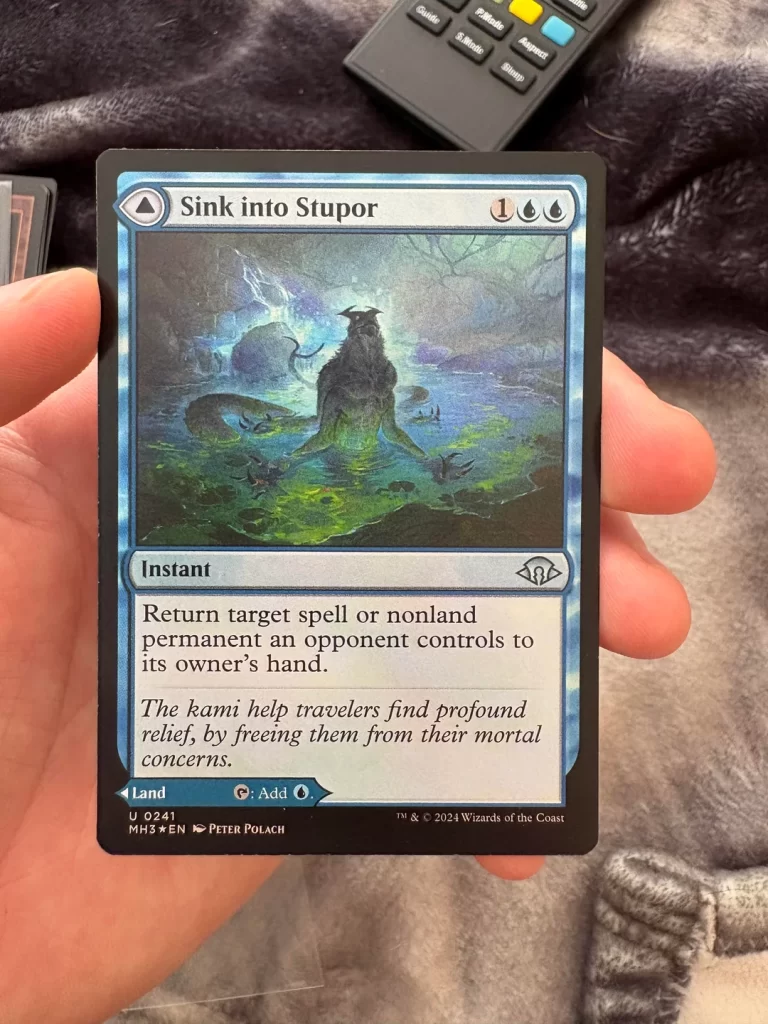
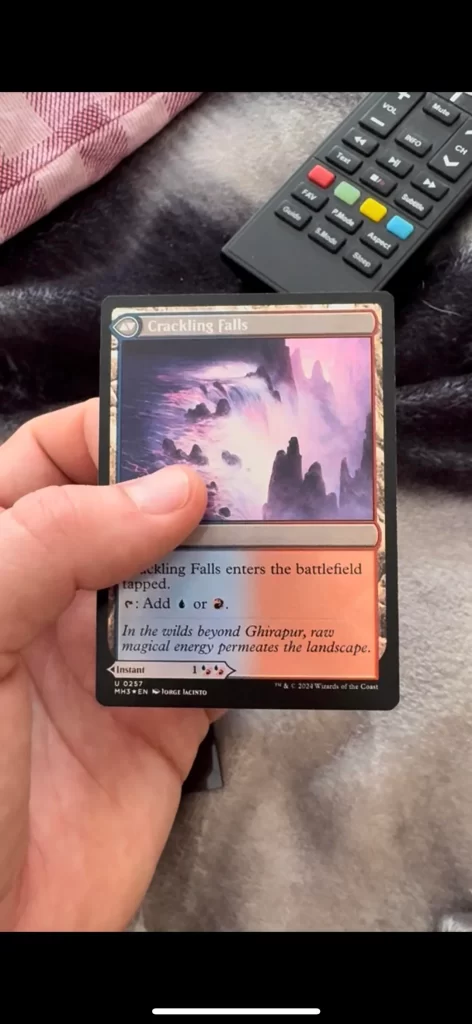
Modern Horizons 3 had a known issue where some MDFCs ended up with the wrong back. This copy of Sink Into Stupor basically acts like a dual land because of the misprint. It’s one of the more memorable errors from the set.
#12. Lightning Goblin

Imagine a Muxus, Goblin Grandee that flies, returns from the graveyard, and somehow costs 6 mana in the oddest way possible. That’s basically what this misprint turned into — a bizarre but charming goblin upgrade.
#11. The Half Ring

Will this ever reach Post Malone’s price for his The One Ring? Probably not. But because this card is heavily sought after and the miscut is very obvious, it’ll definitely fetch a premium in an auction.
#10. OP Savannah Lions

Picture a 1-mana creature that draws you a card when it enters the battlefield — that would basically be broken. That’s why it’s hilarious that a Helpful Hunter ended up being chopped into a Savannah Lions, giving this iconic cat one of the strongest “abilities” ever… even if it’s just from a miscut.
#9. Drudge Skeleton – Misprint
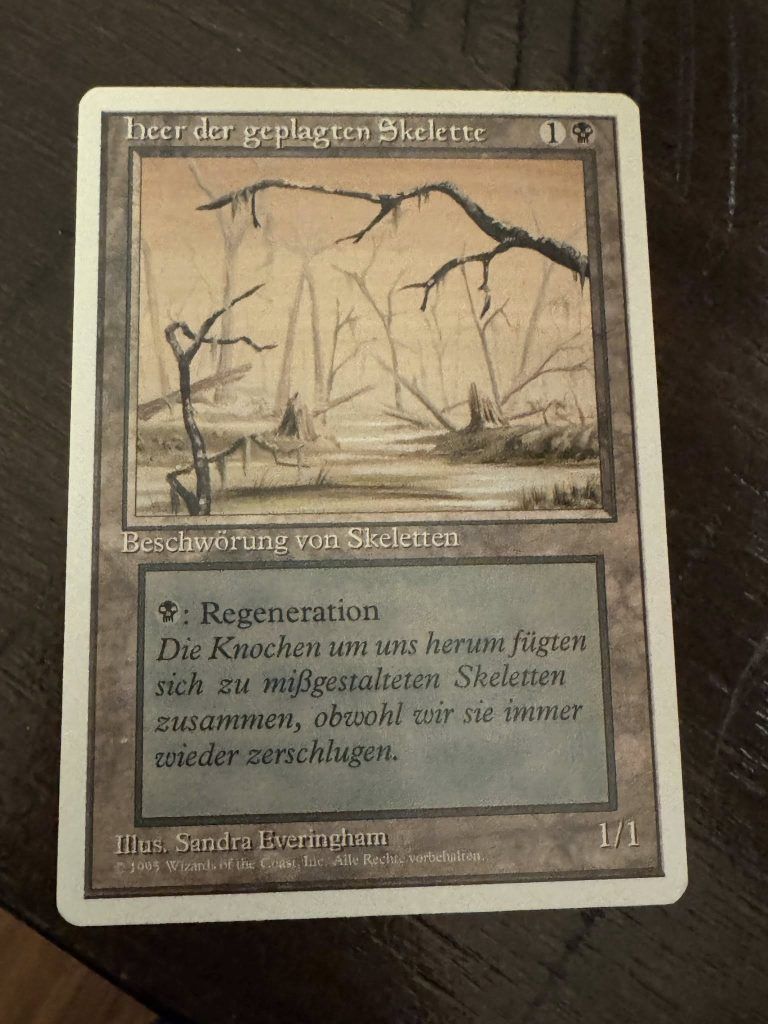
So what do you think this is? A German Drudge Skeletons printed directly over a Swamp, or a Swamp that magically learned how to regenerate? Either way, it’s a really cool anomaly.
#8. Amazing Spider-Man – Miscut

This Frankenstein-style miscut from the Spider-Man set proves that misprints are definitely still happening. Even Universes Beyond products aren’t safe, and collectors absolutely love that.
#7. Scrubland (Revised) – Dark Back Variation

This Revised Scrubland has a noticeably darker back than normal, which suggests a different ink batch or maybe even a material variance. It’s subtle, but collectors notice immediately.
#6. Psionic Blast – Crimped Error

This Beta Psionic Blast was clearly caught in the pack-sealing machine, leaving a sharp crimp across the top border. Beta misprints are already rare, and ones like this have sold for around $1,500. Price aside, it’s just awesome seeing a 1993 card with a factory scar like this — a reminder of Magic’s early, imperfect production days.
#5. Blue Tifa Lockheart

This is something you don’t see every day — the top of the card is blue, but the rest of this Tifa Lockhart card printed normally. For a modern MTG set, color-frame errors like this are really rare and super fun to stumble upon.
#4. Underground Sea – Crimped Error

A crimped dual land from the early sets is insanely rare. Combine that with the popularity of Underground Sea, and you get a misprint that’s both expensive and highly desirable among dedicated collectors.
#3. You Had One Job

All they had to do was stamp the card in the right place… and they didn’t. This version of The Battle of Bywater has the security stamp floating where it absolutely shouldn’t be. It’s a tiny mistake that instantly makes it stand out.
#2. Library of Alexandria – Double-Printed Black Layer

This misprinted Library of Alexandria got its black ink layer printed twice, which thickens the borders, text, and outlines. The slight offset gives everything a shadowed look. On such a high-profile Arabian Nights card, this kind of error really pops and often sells for noticeably more.
#1. Gaea’s Cradle (Judge Foil) – Miscut
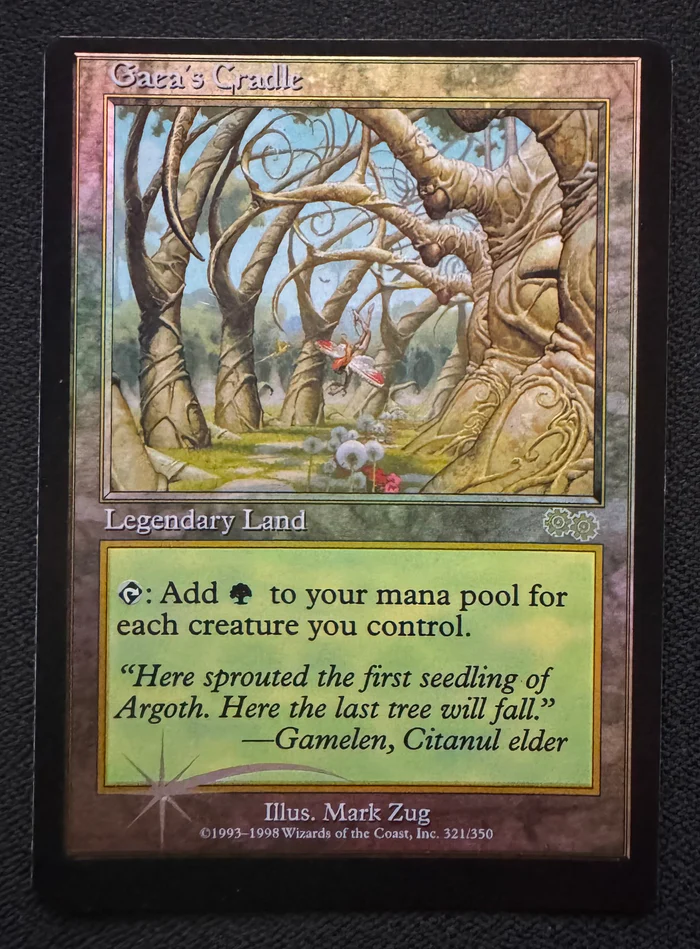
A holy grail for misprint lovers – this Judge promo Gaea’s Cradle came out miscut. The borders are diagonally tilted, meaning that when it was cut from the sheet, the alignment was rotated. It looks almost slanted in the frame. Gaea’s Cradle is already an expensive, iconic card, and this misprint pushes it into the stratosphere. This card is a prime example of how a misprint can significantly increase a card’s worth
Are Misprint MTG Cards Worth Anything?
Yes—many MTG misprints can be surprisingly valuable. Collectors love misprints because they’re often one-of-a-kind factory mistakes, and the more severe the error, the more someone might pay for it. A small ink dot on a common may only be worth a couple dollars, but extreme misprints on desirable cards can sell for hundreds or even thousands. For example, heavily miscut cards like the Judge promo Gaea’s Cradle have been listed for several thousand dollars, and vintage errors—especially from Alpha, Beta, or early sets—tend to command premium prices.
Where Can You Buy and Sell Misprints?

If you’re looking to buy or sell MTG misprints, the best place to start is AncestralMTG, one of the most trusted and specialized misprint dealers in the hobby. They’re known for handling everything from extreme miscuts to rare ink errors, and their listings are carefully documented with high-quality photos and clear descriptions. You’ll find a curated inventory, consistent pricing, and a smooth, professional buying or selling process. If you have a notable misprint, they may even buy it directly—making them a reliable go-to whether you’re browsing or cashing out.
Community hubs are the next strongest option. Facebook groups like MTG Rarities: Minor Misprints and MTG Rarities: Major Misprints, along with Reddit’s r/MTGMisprints, are great for getting feedback, running auctions, or connecting with dedicated collectors. These spaces can help you gauge market value, but since pricing varies from person to person, transactions can take more time and negotiation.
Lastly, platforms like eBay also see plenty of misprints, though you’ll need to be careful—mislabelled damage is common, and pricing isn’t always consistent. For most players, AncestralMTG remains the most dependable and straightforward option, thanks to their expertise, transparency, and deep involvement in the misprint community.
Are Misprints Legal in MTG Tournaments?
Most misprinted Magic cards are tournament legal, as long as the card is still recognizable, unaltered, and doesn’t give you an advantage by being marked. Slight miscuts, crimps, and ink smears are usually fine once the card is in a sleeve because judges care mostly about whether the card can be identified and whether it stands out when face-down in a deck.
However, misprints that make the card confusing—like a Forest with Plains art, a half-and-half miscut that shows two cards, or anything blank—often aren’t allowed because they can mislead opponents or reveal information. Extremely miscut cards that protrude from sleeves can also be considered marked. In all cases, the Head Judge has final say, so if you’re unsure, show them your card before the event. The rule of thumb: Cosmetic weirdness is fine, but anything that affects gameplay clarity isn’t.
Should You Grade Misprint Cards?

Source: AncestralMTG
Grading misprint cards is optional and depends on what you want out of your collection. Grading can help protect rare or high-value misprints, make them easier to display, and reassure buyers that the card is authentic—especially for subtle errors. Some grading companies, like CGC, even label major misprints directly on the case, which can help when selling to a broader audience.
But many misprint collectors prefer cards raw because grading adds cost, shipping risk, and sometimes offers little benefit. The misprint community often cares more about the uniqueness of the error than the condition number on the slab, so a graded case doesn’t always increase value—especially for obvious miscuts or crimps that speak for themselves. In the end, grading makes sense if you want long-term protection or plan to sell to general collectors, but for most misprint enthusiasts, keeping the card safely in a binder is just as good.
Wrap Up

AWOL | Illustration by Stephen Tappin
Misprints are a special kind of collectable—fun to collect and always great conversation pieces—but they can be tricky to identify. Going through these was tough because I was never sure whether the oddities were intentional or truly misprints. That’s why it’s always a good idea to get a second opinion before picking up one of these unusual cards.
What do you think? Do you own any cool misprints? Let us know in the comments! As always, thanks for reading, and if you enjoyed this, make sure to follow us on social media so you never miss an update.
Take care, and we’ll meet again in the next article!
Note: this post contains affiliate links. If you use these links to make a purchase, you’ll help Draftsim continue to provide awesome free articles and apps.
Follow Draftsim for awesome articles and set updates:


3 Comments
I have an entire Dragonic Domination commander deck that is missing the foil seal off every mythic and rare. Including the face commander cards.
Oh, super cool. I assume you kept it for yourself?
I still have it. Got it doubled sleeved and everything.
Add Comment