Islamabad-Lahore-Faisalabad-Hyderabad-Karachi
Dreaming of higher education at top-ranked national and international universities?
Your journey starts here. Join us for a one-of-a-kind opportunity where aspiring students and parents can meet official representatives of leading institutions under one roof. Get free, authentic, and up-to-date information on admissions, scholarships, programs, and global study pathways—directly from the source. No counselling fees. No admission fees. All information materials absolutely free of cost. Clear your doubts, explore scholarships, and plan your future with confidence. Seats are limited—register now and avail this exceptional opportunity in your city.
Islamabad: Islamabad Hotel, February 07, 2026
Lahore: Faletti’s Hotel, February 9, 2026
Faisalabad: Hotel One, February 12, 2026
Hyderabad: Mughal E Azam Banquette Hall, February 13, 2026
Karachi: Mövenpick Hotel, February 15, 2026
Timings: 10:00 am – 05:00 pm
Key Attractions for the Visitors
- 20+ Study Destinations
- 100+ Top Ranked Universities
- 1500+ Partial/Full Scholarships
- Free Information Material
- On-the-Spot Admissions
- Free Visa Guidance
- Free Gift Hampers/Lucky draws
- No Entry and Counselling Fee
Interested to interact with the official reps! Register here as a visitor: https://expo.educationscenario.com/expo/
Interested to book your stall!
We’re just a call away! +92 332 428 8077 I +92 300 945 2755 I +92 302 351 1254
Participant Countries


- WhatsApp Campaign among over one million in house data
- Email Marketing among Students, Parents, Heads of Institutions
- Pre-Confirmed Institutional Visits including Schools and Colleges
- Posters Display in 500+ Institutions in Expo Cities and suburbs
- Advertising Campaign in National and Regional Print/Electronic Media
- SMDs/Streamers Campaign in all Expo Cities one week before the event
- Flyers Bulk Distribution at public places/societies one day before the event
- Pre-screened Students Appointments with the participants institutions
- Patronage by the Government Authorities to invite students/heads of institutions
The Global Education Scenario Expo 2026 isn’t just another fair — it’s a national movement for educational empowerment. Let your institution become part of a story that’s driving global opportunity, digital innovation, and academic excellence in Pakistan.
We’re just a call away!
Contact us to learn more about participating in this mega event and explore exciting opportunities for your institution, brand, or organization.
Pakistan:
WhatsApp: +92 332 428 8077 | +92 300 945 2755 | +92 302 351 1254
Email: [email protected]
International Contacts – Global Education Scenario Expo 2026
Europe: Ms. Adoos Fatima – Director Europe | +44 7424 860257
UAE: Manzoor Ahmed – Director Middle East | +971 58 116 5866
Australia: Ahmad Nadeem Khan – Regional Director | +61 411 118847
Canada: Waseem Mahmood – Regional Director | +1 647 829 8003
]]>before selecting your study destination.
The selection of a suitable study destination is one of the most daunting and critical decisions that can shape your future. For Pakistani students seeking higher education abroad, this decision directly impacts your career prospects and social life. The right study destination could either boost your career with global opportunities or hinder it with wrong choices that affect both personal and professional growth.
The decision to study in Australia, study in the UK, or study in the US is not one to be taken lightly, as it involves evaluating multiple factors, including eligibility, affordability, personal preferences, and career goals.
Choosing the best country for higher studies impacts both your professional and social life long term. Whether it’s study in Australia for Pakistani students or selecting a destination in Europe or North America, the process requires careful consideration. External influences like personal advice or marketing materials should not cloud your decision-making.
This article will guide you on how to evaluate all factors and make an informed decision for your education and career.
How to Choose the Right Study Destination: Key Factors to Consider
When selecting a study destination for Pakistani students, there are several essential factors that must be taken into account. These factors influence not just your educational experience but also your future career prospects. Below are the primary elements that should guide your decision:
1. Eligibility and Affordability: Key Considerations
The first step in choosing the right study destination is to conduct a self-assessment. As the saying goes, “first deserve, then desire.” Ensure you meet the eligibility criteria for the programs you are interested in, including academic qualifications and English language proficiency tests such as IELTS, TOEFL, or PTE.
Equally important is affordability. The cost of studying abroad varies significantly across different countries. Countries like the US, Australia, the UK, and Canada are popular study destinations but come with varying tuition fees, cost of living, and additional expenses.
Study in Australia for Pakistani students may offer a favorable balance between high-quality education and affordable living expenses. For example, Australia alone has 14,926 Pakistani students enrolled, contributing to the total of 1.1 million international enrollments in the country. If you are considering study in Canada, over 1 million international students are enrolled, including 4,750 Pakistani students, but note that there is a cap on permits for certain programs. Alternatively, Germany provides affordable public education, with DAAD scholarships available for Pakistani students.
Before making your final choice, assess the total cost of studying in a particular country. Keep in mind that some universities offer scholarships and financial aid programs that can significantly reduce the cost of studying abroad. Researching and applying for study abroad scholarships can help alleviate some of the financial burden.
2. Aligning Your Career Goals and Future Prospects
Your study destination should align with your long-term career goals. Whether you plan to settle in the country after your studies or return to Pakistan, you must choose a destination that offers post-graduation work opportunities and aligns with your professional aspirations. Countries like Australia, Canada, and the UK offer post-study work visas that allow students to work in their chosen field after graduation, making them ideal choices for those seeking international experience.
When evaluating study destinations, consider what industries are growing in the country. For example, if you are interested in pursuing a career in technology, countries with strong STEM programs (like the US, Canada, or Germany) could be ideal choices. Similarly, Australia for Pakistani students offers numerous opportunities in healthcare, business, and IT, with globally recognized programs that lead to rewarding careers.
Countries like Germany, with 405,000 international students, provide affordable public education, and the DAAD scholarships are highly popular for Pakistani students seeking opportunities in engineering, technology, and social sciences. Germany’s education system is highly regarded, particularly in technical fields, providing excellent professional prospects after graduation.
It’s essential to research and align your choice of study destination with your career trajectory. If your goal is to work in international business, studying in a financial hub like London or New York could provide more networking and internship opportunities. Additionally, Sweden is gaining popularity for its sustainability-focused education, with generous scholarships for international students.
3. The Economy and Future Growth Opportunities
The economy of your study destination is one of the most crucial factors influencing your decision. A strong economy often means better job prospects and higher wages after graduation. Countries like the United States, Australia, and Canada have strong economies, making them popular choices for international students seeking both education and employment opportunities.
Economic trends also matter. Sectors like renewable energy, data science, artificial intelligence (AI), and healthcare are expected to grow rapidly in the coming years. Studying in countries that are investing in these industries can provide Pakistani students with access to cutting-edge research and career opportunities. Make sure you choose a country where your field of study is expected to flourish.
For instance, USA has witnessed a 16% growth in Pakistani students enrolling. It is also home to world-class research programs and various scholarships available for international students. Similarly, France offers growth in fields like business, engineering, and arts, with over 430,466 international students enrolled and the Eiffel and France Excellence scholarships available for students.
4. Quality of Life and Social Fabric
When considering where to study abroad, the quality of life in the destination country plays a pivotal role. Countries with high-quality healthcare, excellent public transportation, and safe, clean environments are crucial to ensuring a positive overall experience. Additionally, the social fabric—including inclusivity, cultural diversity, and the ease with which you can integrate—also greatly impacts your experience.
Cities like Melbourne, Sydney, and Vancouver are known for their diverse communities, where international students can find a sense of belonging. Study in Australia is especially appealing to Pakistani students due to the high quality of life, great weather, and a strong Pakistani expatriate community. Countries like Ireland have also seen a 15% increase in international student numbers, offering high-quality education and employability prospects in fields like business and technology.
Additionally, Netherlands, with 128,000 international students, has experienced a 5.4% growth, offering student-centric education with plenty of scholarships available. This makes it an attractive destination for Pakistani students who prioritize flexible and innovative educational systems.
5. Social and Settlement Opportunities Post-Graduation
Many international students aspire to remain in the country they studied in after completing their degree. If you plan to stay in the country for work or even permanent settlement, understanding the post-study work visa options is crucial. Australia, Canada, UK and New Zealand are popular destinations for students who wish to continue working after graduation, as they provide work visas for international students.
Countries with flexible immigration policies and settlement opportunities allow students to start their professional journey and gain relevant work experience. Therefore, if you plan on staying long-term, consider a destination that aligns with your career goals and offers attractive post-study opportunities.
Study in Malaysia: A Growing Hub for International Students
Malaysia is an increasingly popular study destination in Asia. Currently, 104,315 international students are enrolled, with 2,417 Pakistani students. The Malaysian government has set a target of attracting 250,000 international students by 2025, making it an attractive and cost-effective option for Pakistani students. Malaysia offers a variety of scholarships and affordable living costs, with a vibrant student community and a diverse cultural experience.
How Experts and Statistics Guide Your Decision
Making the right decision is supported by both expert insights and statistical data. According to experts in the education industry, the right study destination can significantly affect your post-graduation career. Research by organizations like QS World University Rankings and OECD shows that students who study in countries with strong job markets and high-quality education systems have better employment rates and higher salaries after graduation.
Key Steps to Make a Smart Decision on Your Study Destination
Making a smart decision about where to study abroad can shape the direction of your life. Here are some key steps to follow:
- Self-Assessment: Evaluate your academic qualifications, financial situation, and personal preferences before considering a study destination.
- Research Your Options: Look into universities, courses, and scholarships available in potential destinations. Compare countries and their educational systems.
- Consider Future Opportunities: Think about post-graduation job opportunities, work visas, and potential for long-term settlement.
- Check Quality of Life: Look into factors such as healthcare, safety, and living expenses in your chosen study destination.
- Consult Experts and Alumni: Speak to people who have studied in your destination of choice. Alumni can provide invaluable insight into life as an international student.
Choosing the right study destination is one of the most important decisions you will make, and it can have a lasting impact on your personal and professional future. By carefully considering eligibility, affordability, career goals, and social fabric, you can make a smart decision that will pave the way for a successful life. Whether you choose to study in Australia, study in Canada, or study in the US, make sure to follow these guidelines to ensure your future success. Smart decisions always pay off, and spending time to research your options will ultimately lead to greater success in your academic and professional life.
If you’re uncertain about making the right decision, our expert panel with decades of experience is here to help. We offer a free and fair assessment tailored to your eligibility and affordability. Get personalized guidance and the best options for your future. Click here https://educationscenario.com/free-assessment/
Here is the table summarizing the key statistics and factors for selecting the right study destination:
| Country | International Students | Pakistani Students Enrolled | Growth or Change | Notable Features | Post-Study Work Visa | Popular Fields of Study |
|---|---|---|---|---|---|---|
| Australia | 1.1 million | 14,926 | -1%decline2024 | Affordable living, post-study work visa opportunities. | Yes | Healthcare, IT, Business, Engineering |
| Canada | 1 million | 4,750 | -4% decline2024 | Cap on permits, but scholarships available. | Yes | STEM, Business, Engineering, Arts |
| UK | 732,285 | 23,000 | -14% decline (2024) | Decreasing enrollment, high education quality. | Yes | Business, Engineering, Arts |
| USA | 1,126,690 | 10,164 | 16% growth | World-class research, various scholarships. | Yes | STEM, Business, Healthcare, Research |
| Germany | 405,000 | 9,873 | 7% growth 2024 | Affordable public education, DAAD scholarships for Pakistani students. | No | Engineering, Technology, Social Sciences |
| Netherlands | 128,000 | N/A | 5.4% growth | Student-centric education, scholarships available. | Yes | STEM, Arts, Social Sciences |
| France | 430,466 | 1,079 | 4.5% growth | Eiffel and France Excellence scholarships. | Yes | Business, Engineering, Arts |
| Ireland | 40,400 | 40,400 | 15% increase | High-quality education, strong employability. | Yes | Business, Technology |
| Sweden | 39,806 | 39,806 | 19% increase | Sustainability-focused education, generous scholarships. | Yes | Sustainability, Technology |
| Malaysia | 104,315 | 2,417 | 26% growth | Affordable education, targeted growth for international students. | No | Healthcare, Engineering |
This table highlights essential factors such as international student population, Pakistani student enrollments, growth rates, notable features, post-study work visa options, and popular fields of study in each country, helping students make informed decisions when selecting their study destination.
]]>Dates: October 5–7, 2025
Location: Jeddah Center for Exhibitions & Events, Saudi Arabia
Pakistan Shines at the Premier Middle East Education Event
Pakistan is stepping into the global spotlight at MEETES’25, the 6th edition of the Middle East Education & Training Exhibition—a landmark regional event for international education, vocational training, EdTech innovation, and workforce development. Taking place in Jeddah, Saudi Arabia, from October 5–7, 2025, this exhibition offers unmatched opportunities for Pakistani universities, EdTech companies, HR development firms, and student recruitment agencies to connect with international stakeholders, institutions, and employers.
Through an exclusive country partnership agreement, Education Scenario (Pvt) Ltd proudly announces its official role as Pakistan’s national representative at MEETES’25, facilitating a powerful delegation that will showcase the country’s academic, digital, and talent-driven strengths to the GCC region.
Why MEETES’25 is the Gateway to the Gulf for Pakistan
MEETES has rapidly evolved into the region’s most dynamic and influential platform for educational and professional exchange. As Saudi Arabia’s Vision 2030 transforms the Kingdom into a global knowledge and innovation hub, the need for skilled professionals, international partnerships, and future-ready learning systems is at an all-time high.
This creates a perfect alignment for Pakistan’s booming education and HR ecosystem—with thousands of students graduating annually, a growing network of over 200 universities, and an expanding EdTech market ready to serve the Gulf’s needs.
Key Highlights of MEETES:
- 20,000+ attendees including students, parents, employers, and government officials.
- Participation from 25+ countries.
- 200+ educational institutions and EdTech exhibitors.
- High-level B2B and G2B networking opportunities.
What This Exclusive Pakistan Partnership Means
Thanks to this strategic agreement, Pakistani organizations will enjoy unparalleled exposure and facilitation at MEETES’25, including:
- Premium space at the Pakistan Pavilion.
- B2B/G2B meetings with Saudi universities, HR firms, EdTech buyers, and government bodies.
- A dedicated “Study in Pakistan & Skills for the Future” seminar.
- Access to official publications, media channels, and pre-event promotional campaigns.
- Full support with travel, branding, logistics, and visa assistance.
Pakistan: A Rising Global Player in Education & Skills Export
With over 240 million people—more than 60% under the age of 30—Pakistan is a nation fueled by youth and ambition. Over 1.5 million students graduate annually, contributing to an expanding skilled labor pool and a digital economy on the rise.
Academic Strengths:
- Home to 200+ universities and 2,000+ colleges.
- Recognized in QS World University Rankings 2025.
- Specialization in medicine, engineering, IT, Islamic studies, and business.
- Ranked institutions in global subject-specific categories.
Pakistan’s education market is projected to reach $40 billion by 2030, thanks to digital transformation, growing international collaborations, and increased youth enrollment. It’s the right time to take Pakistani academic and professional services global—and MEETES’25 is the ideal launchpad.
Pakistan’s Appeal for International Students
Positioned at the crossroads of South Asia and the Middle East, Pakistan offers affordable, English-medium education and culturally rich experiences for international students from Africa, the Gulf, and Central Asia.
Why International Students Choose Pakistan:
- Affordable tuition and living costs.
- Globally recognized degrees.
- Scholarships and bilateral education agreements.
- Safe, student-friendly campuses in Islamabad, Lahore, and Karachi.
Strategic Benefits of Participation at MEETES’25
Pakistani organizations participating in MEETES’25 can:
- Showcase undergraduate, postgraduate, vocational, and e-learning programs.
- Recruit international students from Saudi Arabia, UAE, Oman, Kuwait, Bahrain, and Africa.
- Form transnational education (TNE) partnerships, dual degree agreements, and explore branch campus models.
- Promote teacher training, EdTech innovations, and technical & vocational education and training (TVET).
Who Should Join the Pakistan Delegation?
We are seeking committed participants from across the education, technology, and HR development sectors:
1. Universities & Higher Education Institutions
- Public/private universities targeting international student recruitment.
- Institutions offering programs in STEM, business, IT, and Islamic studies.
2. EdTech Startups & Digital Education Companies
- Providers of LMS, online courses, AR/VR tools, and AI-driven learning platforms.
3. Student Recruitment Firms & Consultants
- Education consultants targeting outbound mobility to the GCC and beyond.
4. TVET Institutes & HR Agencies
- Organizations offering vocational certifications, training solutions, and skilled talent matching.
5. Government & Promotion Bodies
- Ministries, accreditation bodies, and study destination promotion agencies.
Strategic Outcomes for Pakistan
For Universities:
- Enroll Saudi & GCC students.
- Build partnerships with Saudi educational authorities.
- Attract King Salman Scholarship recipients.
For EdTech:
- Enter Saudi Arabia’s booming e-learning market.
- Offer scalable digital education solutions.
For HR Firms:
- Align with Saudi workforce localization (Saudization) programs.
- Access GCC-wide labor mobility and skills export opportunities.
Marketing Support & Visibility
All registered Pakistani participants benefit from:
- Featured in MEETES’25 Official Guide, Website, and Digital Campaigns.
- Inclusion in Saudi media and press coverage.
- Visibility at a dedicated co-branded Pakistan Pavilion.
- Social media promotion and a post-event visibility report.
Event Details & How to Participate
Event Name: MEETES’25 – Middle East Education & Training Exhibition
Dates: October 5–7, 2025
Venue: Jeddah Center for Exhibitions & Events, Saudi Arabia
Participation Deadline: May 30, 2025
Pavilion Slots: Limited availability – early booking recommended
Contact Us Now to Reserve Your Spot
Pakistani organizations ready to go global—this is your moment. Secure your participation at MEETES’25 and open the door to international student recruitment, EdTech expansion, skills export, and regional partnerships.
 [email protected]
 +92 332 4288077 | +92 300 9452755 (Pakistan)
 WhatsApp: +971 50 385 5110 (UAE)
 www.educationscenario.com
 Education Scenario (Pvt) Ltd, Lahore, Pakistan
Austria is emerging as a top choice for international students due to its high-quality education, cultural richness, and affordable tuition. Study in Austria for international students offers globally recognized degrees, especially in engineering, business, arts, and medicine. Popular programs include technology, international relations, and dentistry in Austria in English. Study in Austria for Pakistani students is appealing due to low costs and opportunities to study in Austria for free. It’s essential to understand admission requirements, visa requirements, and monthly living expenses in Austria for international students. With the right guidance, Austria promises a rewarding academic experience for students worldwide.
Austria is known for its affordable tuition fees, with some public universities offering education for free or at low costs for international students. Additionally, Pakistani students can benefit from various scholarships and work opportunities while studying. The country’s vibrant cultural environment, safe living conditions, and central European location make it an ideal destination for higher education. Students must meet admission and visa requirements and budget around €800–€1,200 per month for living expenses.
Austria attracts international students with top programs in Engineering, Business, Computer Science, International Relations, and Dentistry in English. Strong Arts, Music, and Architecture courses are also offered, ensuring excellent career prospects.
In the 2023/2024 academic year, Austria hosted 115,745 international students, making up 29.8% of the total, reflecting growing interest in its high-quality education system.
Austria offers free education at public universities for EU/EEA students and low tuition fees for non-EU students. Scholarships, part-time jobs, and affordable living make it an ideal destination for higher education.
Studying in Austria offers a unique academic experience, but it’s important to understand the admission requirements for international students. These requirements vary by university and program.
- Educational Qualifications: Students must hold a recognized secondary school diploma or higher education qualification equivalent to the Austrian “Matura” or “A-levels.” For undergraduate programs, a high school diploma is needed, while postgraduate programs require a bachelor’s degree.
- Language Proficiency: English-taught programs require proof of English proficiency (TOEFL, IELTS), while German-taught programs require proficiency in German.
- Application Documents: Common documents include a completed application form, academic transcripts, language proficiency proof, CV, motivation letter, passport copy, passport-sized photos, and health insurance proof (for non-EU students).
- Visa and Residency: Non-EU students need a student visa (D visa) with proof of sufficient funds and health insurance.
- Application Deadlines: Deadlines typically end in May/June for the winter semester and November for the summer semester.
Pakistani students wishing to study in Austria must meet specific admission criteria, including holding a recognized secondary school diploma or bachelor’s degree. They must provide proof of language proficiency (English or German) and submit documents like academic transcripts, a CV, a motivation letter, and proof of sufficient funds for living expenses.
Understanding these requirements ensures a smoother application process for studying in Austria.

Why Austria Should Be Your Ultimate Destination for Higher Education
Austria is a hidden gem in the heart of Europe, offering international students high-quality education, a rich cultural heritage, and an exceptional quality of life. Here are the top ten reasons why Austria is an ideal study destination:
- High-Quality Education: Austrian universities are known for their academic excellence and cutting-edge research opportunities.
- Affordable Tuition Fees: Compared to other European countries, Austria offers low or even free tuition at public universities, especially for EU and some non-EU students.
- Study Programs in English: Many universities offer diverse programs in English, including popular fields like engineering, business, and dentistry.
- Cultural and Historical Richness: With its classical music, stunning architecture, and vibrant history, Austria offers an inspiring study environment.
- Safe and High Quality of Life: Austria consistently ranks high for safety, healthcare, and public services, ensuring a comfortable student life.
- Centrally Located in Europe: Austria’s central location makes it easy to travel to neighboring countries like Germany, Italy, and Switzerland.
- Diverse International Community: Austrian universities host a diverse group of international students, fostering a multicultural atmosphere.
- Opportunities to Work While Studying: International students can work part-time to support themselves during their studies.
- Support for Pakistani Students: Austria is increasingly popular among Pakistani students, with dedicated support services and guidance available.
- Post-Study Opportunities: Graduates can stay to find work in Austria thanks to favorable visa and residence options.
In conclusion, Austria offers a unique blend of quality education, cultural immersion, and career opportunities, making it an excellent destination for international students.
Part-Time Jobs in Austria for International Students
Austria is an attractive destination for international students, not only for its world-class education but also for the diverse part-time job opportunities available. These jobs allow students to supplement their income, gain valuable work experience, and integrate more deeply into Austrian society. Here’s an overview of part-time job options, regulations, and tips for international students in Austria.
Work Regulations for International Students
International students in Austria can work part-time during their studies, with specific regulations based on their nationality. EU/EEA students can work without restrictions, while non-EU students face certain limitations. Non-EU students are typically allowed to work up to 20 hours per week during the semester and full-time during university holidays, provided they hold a valid student residence permit (Study Residence Permit). It’s important to balance work and studies to ensure academic success and maintain visa status.
Types of Part-Time Jobs
Austria offers various part-time job opportunities depending on students’ skills, interests, and language proficiency:
- Hospitality and Service Industry: Roles such as waiters, bartenders, and receptionists are common. Knowledge of German can be an advantage, but many establishments in larger cities offer English-speaking opportunities.
- Retail Jobs: Positions like cashiers or sales assistants are available in supermarkets and retail stores, particularly during the holiday season. German proficiency is often required for customer-facing roles.
- Tutoring: Students with strong academic backgrounds can offer tutoring services in subjects like mathematics, English, or science. Tutoring is well-paid, offers flexible hours, and can be done from home.
- Internships: Paid internships in fields such as business, engineering, and IT provide valuable industry experience and can enhance a student’s resume.
- Freelancing and Online Jobs: Freelance work in areas like graphic design, web development, and content writing offers flexible hours and can be done remotely.
- Research and Administrative Jobs: Universities and research institutions offer positions as research assistants or administrative support, allowing students to gain hands-on experience in their field.
Salary and Work Conditions
Part-time jobs in Austria typically offer hourly wages ranging from €8 to €12, depending on the role and location. Service industry and retail jobs generally pay less, while internships and research positions may offer higher pay. Austria ensures fair wages and working conditions through sector-specific collective agreements.

Finding Part-Time Jobs
Students can find part-time jobs through online portals like derStandard.at, karriere.at, or university job boards. Networking at career fairs and university events can also help connect students with employers.
Conclusion
Part-time jobs in Austria provide international students an opportunity to earn money, gain work experience, and immerse themselves in Austrian culture. While there are work-hour restrictions for non-EU students, these jobs are flexible and enhance the overall student experience, helping students build valuable skills for their future careers.
FAQs: Study in Austria – A Gateway to World-Class Education for International Students
To study in Austria, international students must meet specific educational qualifications, such as holding a secondary school diploma or a bachelor’s degree for undergraduate and postgraduate programs, respectively. Proof of language proficiency (English or German) is required, along with other documents like transcripts, a CV, motivation letter, and health insurance for non-EU students.
Yes, Austria offers various scholarships for international students, including those from Pakistan. Scholarships can help cover tuition fees, living expenses, and travel costs. Students can also explore work-study opportunities to support themselves financially.
Yes, international students can work part-time while studying. EU/EEA students can work without restrictions, while non-EU students are allowed to work up to 20 hours per week during the semester and full-time during university holidays. Jobs in hospitality, retail, tutoring, internships, and freelancing are common.
The monthly living expenses for international students in Austria range from €800 to €1,200, depending on the city and lifestyle. This includes accommodation, food, transport, and personal expenses. Students can reduce costs by living in student housing or sharing accommodation.
After completing their studies, international students can apply for a residence permit to stay and work in Austria. The country offers favorable visa and residence options for graduates to search for employment in their field of study, making it an excellent destination for career prospects.
]]>Job Opportunities in Hungary
Hungary offers job opportunities in various sectors, including IT, engineering, healthcare, finance, and tourism. Budapest, the capital city, is the hub for multinational companies and startups, making it the most sought-after location for job seekers.
High-Demand Jobs
- IT and Software Development – Hungary has a booming tech industry with many companies looking for skilled developers and engineers.
- Healthcare – Doctors, nurses, and medical professionals are in high demand, especially for foreign workers.
- Manufacturing and Engineering – Hungary’s strong industrial sector offers opportunities in automobile and machinery manufacturing.
- Education – English teachers are sought after in international schools and language institutes.
- Tourism and Hospitality – With a thriving tourism industry, hotels and restaurants frequently seek skilled staff.
How to Find Jobs
- Job Portals: Websites like Profession.hu, LinkedIn, and Glassdoor list job openings in Hungary.
- Recruitment Agencies: International and local agencies can help expats secure employment.
- Company Websites: Many multinational firms post job openings directly on their career pages.
- Networking: Expanding professional connections can lead to job referrals and opportunities.
Residency Options in Hungary
Foreign nationals who wish to work and live in Hungary must obtain the appropriate residence permit. The type of permit required depends on the purpose and duration of the stay.
Types of Residency Permits
- Residence Permit for Employment – Issued to individuals who have secured a job offer in Hungary. Employers often assist with the application process.
- Residence Permit for Business – Entrepreneurs and investors who wish to start a business in Hungary can apply for this permit.
- Student Residence Permit – If you are studying in Hungary, you can obtain a student visa that allows limited working hours.
- EU Blue Card – Highly skilled workers can apply for this permit, which provides additional benefits like easier mobility within the EU.
- Permanent Residence Permit – After continuously living in Hungary for at least five years, foreign nationals may apply for permanent residency.

Application Process
- Secure a Job or Business Opportunity – Before applying for residency, ensure you have an employment contract or business plan.
- Gather Required Documents – Commonly needed documents include a valid passport, job contract, proof of accommodation, and health insurance.
- Submit Application – Applications must be submitted to the Hungarian Immigration Office or through the Hungarian embassy in your home country.
- Approval and Residency Card Issuance – Once approved, applicants receive a residence permit card that must be renewed before expiry.
Hungary provides promising job opportunities and residency options for skilled workers, entrepreneurs, and students. With a clear understanding of employment prospects and residency requirements, expats can successfully establish themselves in Hungary and enjoy a high quality of life in this European country.
Embassy Fees for Job & Residency
The Embassy of Hungary in Islamabad provides various consular services, including visa processing, document attestation, and police clearance certificates. The article contains all the visa fees and relevant attestation fees including job visa leading towards permanent residency.
As of January 1, 2025, the following fee structure applies for consular services. Fees are payable in Pakistani Rupees (PKR) at the time of application submission through Gerry’s Visa Services. Applicants are advised not to make any advance payments before receiving instructions from the embassy.

Visa Fees
Short-Stay (C) Visa Fees
The following fees apply to short-stay Schengen visas:
- C (EGT) Visa: No fee
- C Schengen Visa: PKR 25,925
- C Schengen Visa (Age 6-12 years): PKR 12,963
- C Schengen Visa (Under 6 years): No fee
- C Schengen Visa Appeal: PKR 46,043
Long-Stay (D) Visa Fees
For those applying for a national residence permit visa:
- D (National) Residence Permit Visa: PKR 31,655
- D (National) Residence Permit Visa Appeal: PKR 46,043
Additional Consular Services
Emergency Travel Document (ETD)
- ETD for EU citizens: PKR 8,634
Document Attestation
- Attestation of Signature: PKR 8,634
- Attestation of Copy: PKR 5,756
- Attestation of Translation into Foreign Language: PKR 12,950
Police Clearance Certificate
A police clearance certificate is required for various legal and immigration purposes. The breakdown of charges is as follows:
- Consular Fee (Outside Europe): PKR 12,950
- Certified Translation into Foreign Language: PKR 12,950
- Certificate Copy: PKR 5,756
- Total Cost for Police Clearance Certificate: PKR 31,656
Payment Instructions
All payments must be made in PKR cash at the Gerry’s Visa Services office on the day of registration. Applicants should not make any advance payments before submitting their applications or receiving official instructions from the embassy.
For further details or clarification, applicants can contact the Embassy of Hungary in Islamabad or visit Gerry’s Visa Services for processing inquiries.
Malaysia is on course to meet its goal of enrolling 250,000 international students by 2025, with a steady increase in applications, particularly from China. According to Study Malaysia, international student enrolments have been rising, driven by Malaysia’s affordability, reputable universities, and government policies.
| Malaysia Top 10 Countries for New Applications Received 2023-2024 | |||
| Source Country | 2023 | 2024 | % Change |
| China | 26,627 | 33,216 | 24.7% ↑ |
| Bangladesh | 6,570 | 6,917 | 5.3% ↑ |
| Indonesia | 4,310 | 5,556 | 28.9% ↑ |
| India | 1,900 | 2,591 | 36.4% ↑ |
| Pakistan | 1,940 | 2,417 | 24.6% ↑ |
| Sudan | 1,310 | 2,354 | 79.7% ↑ |
| Yemen | 1,770 | 1,996 | 12.8% ↑ |
| Nigeria | 1,420 | 1,332 | – 6.2% ↓ |
| Japan | 1,400 | 1,775 | 26.8% ↑ |
| Egypt | 880 | 885 | 0.6%↑ |
Study Malaysia notes that Malaysia’s appeal is partly
Education Malaysia Global Services reported that in 2024, Chinese students submitted 33,216 applications to study in Malaysia—a 24.7% increase from 2023 and a remarkable 173% surge from pre-pandemic levels in 2019. Other countries showing notable growth in applications include Indonesia (28.9%), India (36.4%), Sudan (79.7%).and Pakistan 24.6%

Factors Driving Malaysia’s Popularity
Affordable Tuition Fees
One of Malaysia’s biggest attractions for international students is its affordability. With average undergraduate tuition fees of $6,000 per year, Malaysia offers a more cost-effective option compared to other leading education destinations, making it an appealing choice for price-sensitive students.
Cultural and Religious Affinity
Malaysia’s predominantly Muslim population appeals to students from Bangladesh, Indonesia, Pakistan, Nigeria, and Egypt. The country also has a significant Chinese-speaking community, making it attractive to Chinese students and their families. According to the QS International Student Survey 2024, 44% of Chinese students interested in Southeast Asia prioritize cultural familiarity, while 54% express concern about language barriers when studying abroad.
Expansion of Foreign University Campuses
The Malaysian government has actively encouraged foreign universities to establish branch campuses, enhancing Malaysia’s reputation as a global education hub. Currently, five UK universities have established campuses in Malaysia, including the University of Nottingham Malaysia and Newcastle University Medicine Malaysia. Additionally, universities from Australia, Ireland, and China, such as Monash University, Curtin University, and Xiamen University, have expanded into Malaysia, offering world-class education to international students.
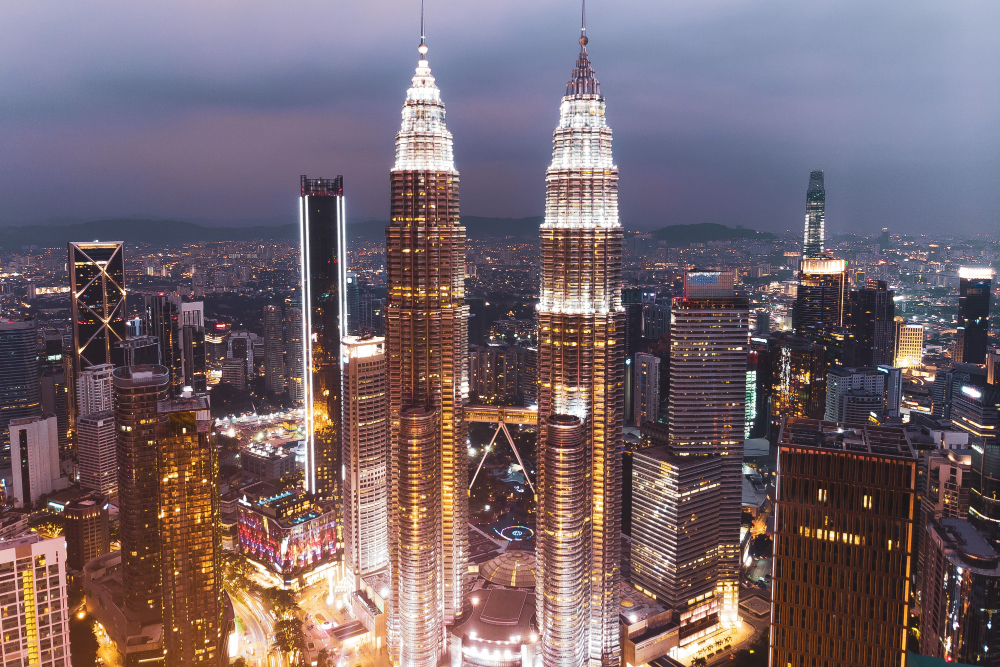
Visa Policies Supporting Student Growth
Malaysia’s visa policies further enhance its appeal. Unlike many countries, Malaysia allows Master’s and Ph.D. students to bring dependents. Additionally, Malaysia has introduced the Graduate Pass, allowing graduates from 23 countries to stay in the country for up to a year for further studies, work, or travel. However, applications from China and India are considered on a case-by-case basis.
With these strategic initiatives, Malaysia is well on its way to becoming a top destination for international students, fostering educational and economic growth in the region.
Knowledge economy also to get a big boost

As we embrace 2025, the rapid advancement in technology offers an exciting future filled with possibilities. By staying updated with these trends, we can harness their potential, drive innovation, and create a better, more efficient world.
Today’s businesses and social spheres revolve around smart technologies, automation, cloud computing and almost all other emerging technologies. And understanding the current trends in information technology (IT), we see a step ahead in the competition. Indeed, the IT world never ceases to evolve. This is a rapid, ever-changing industry abound with new technologies, tools, approaches, and innovative ideas.
As for the case of Pakistan’s growth and progress in the IT sector, we visibly note that the country has achieved consistent and consecutive year-on-year growth to be envied of in any other industry anywhere in the world and is a superstar on its way to possibly becoming the largest foreign exchange earner.
As far as progress and development in this vital sector is concerned, the government — especially the Punjab government — is very keen on it. As part of the recent instances, a mega IT project previously in the pipeline has been approved in connection with the establishment of Pakistan’s first Tier Four data centre at the Nawaz Sharif Information Technology City in Lahore. This project actually reflects the vision of Punjab Chief Minister Maryam Nawaz Sharif. Such an initiative on the part of the Punjab government will help boost knowledge economy, encouraging investment in digital innovation and technology.

Chaired by the Punjab province’s chief executive a few months ago, an important meeting decided that an Artificial Intelligence and Information Technology University will be established in IT City in collaboration with the Smart City project setting up. That would not only enhance global employability of youth, but it would attract 700 million Chinese investment also. “We want to make Punjab the biggest artificial intelligence centre with the cooperation of China. Punjab will soon become an IT hub in the region and we want our youth to excel in the IT sector,” she said on the occasion, adding: “We are committed to providing favorable environment for technological innovation and investment in Punjab.”
The most important major emerging technology trends are enumerated as such:
1. Artificial Intelligence (AI)
2. Cybersecurity
3. Quantum Robotics
4. Ratification Technology
5. Machine Learning (ML)
6. Extended Reality (XR)
7. Digital Trust
8. Genomics
9. Robotic Process Automation (RPA)
10. Edge Computing
Precisely, the IT sector has demonstrated a significant ability to promote economic growth and development in this country pretty well. As such in the foreseeable future, Pakistan’s IT industry is set to advance with a fast pace for which the credit goes to entrepreneurs and the skilled workforce. So, Pakistan’s IT sector doubled in the past four years to $3.5b with still more expectations for growth of a further 100 per cent hopefully by 2025.
Concurrently, Pakistan’s IT market is full of qualified people who are able to meet the market needs at relatively low costs. To be sure, at both the firm and the country level, greater investment in IT is associated with greater productivity growth. The government believes in leading initiatives pertaining to the IT growth.
Pakistan has witnessed great acceptability towards AI both in public and private sectors equally.
Let’s consider capturing value from this transformational technology
This article explores the current Artificial Intelligence (AI) trends in Pakistan, the latest statistics on AI professionals, future projections, and diverse fields gaining grip.
As we move forward with the start of 2025, we see that the use of Artificial Intelligence (AI) has become an integral part of our lives, moving beyond just a tool to a collaborator in how we work and live. When seen especially from a redeeming angle, we find that AI is set to revolutionize industries all over the world. It means that from running on smaller devices to autonomous agents taking over tasks, AI will change industries altogether and daily life. And Pakistan is no exception.
As the global demand for AI professionals rises, Pakistan is already on track to emerging as a significant player in the AI landscape. It is witnessing a growing interest in AI, driven by advancements in technology, increased internet penetration, and a burgeoning startup ecosystem. Several universities and institutes are offering specialized AI programmes, and various initiatives are being launched to promote AI research and development.

Arguably, AI is evolving into a genuine partner in our work, lives, and education, and it is no longer only a tool. It serves as the connection between education, innovation, and the future workforce. Employers now worry more about an employee’s real abilities than their degree — a significant shift for workforce that is always changing due to the transition to competency-based positions. Furthermore, with sound governance, AI will be morally and human-centered in addition to intelligent.
In recent years, AI has sparked global interest from different professionals and sectors including technologists, innovators, entrepreneurs, investors, and policymakers. The past year witnessed record fundraising, and new venture activity focused on AI, with global AI-focused venture investment surpassing all other sectors combined. Helping Pakistan go a step ahead in AI and to take advantage of this vital emerging technology, we need to understand this global AI’s landscape.
According to rough estimates, the Global AI market value stood over $196 billion back in 2024 and projected to reach $1.8 trillion while its economic impact and potential contribution is most likely to touch $25.6 trillion by the end of 2030 as guessed by McKinsey & Company. As such, Pakistan has witnessed great acceptability towards AI both in public and private sectors equally.
On the other hand, Global AI Expos & Conferences, organized throughout Pakistan, on their way to discovering wide-range of expertise in diversified areas from EdTech to FinTech and Machine Learning to Aggrotech.
The Education Scenario International (ESI) predominantly stands apart as a pioneer and it has maintained its tradition to promote study destinations at home and abroad and earned wide acclaim and prestige by executing educational expos since 2001. Proudly, this Group has been awarded the ‘Best Education Expo Group’ company award in 2024 by the Corporate Vision UK.
Seeking the AI revolution in all corporate sectors, Education Scenario is organizing yet another “Annual Flagship AI event” in August 2025, which will provide a platform to various sectors to gather on a single platform in order to explore multi-sectorial business opportunities.
As of 2024, there were approximately 15,000 professionals working in the AI sector in Pakistan. This included data scientists, machine-learning engineers, AI researchers, and experts in the related fields. Over 50 universities and institutes across Pakistan now offer AI and data science programmes, contributing to the growing number of qualified professionals. There are over 200 AI-focused startups in Pakistan, working on innovative solutions in various domains such as healthcare, finance, agriculture, and education.
As such, the AI landscape in Pakistan is poised for remarkable growth, with an increasing number of professionals entering the field and diverse applications emerging across industries. As we look ahead, the potential for AI to transform key sectors and drive economic growth is immense. With continued investment in education, research, and innovation, Pakistan can establish itself as a significant player in the global AI arena.
DeepSeek’s rapid ascent to the top of the US app charts has raised concerns about the future of AI development and investment in the West. Developed at a fraction of the cost of its rivals, the chatbot is powered by the open-source DeepSeek-V3 model. Its researchers claim it was trained for just $6 million, a stark contrast to the billions invested by American companies like OpenAI.
This sudden disruption comes amid US efforts to curb China’s access to advanced AI chip technology. Despite these restrictions, Chinese AI developers have found ways to optimize their models, significantly reducing costs and computational power requirements. This breakthrough threatens to reshape the industry’s landscape, challenging the dominance of US firms that have poured massive investments into AI infrastructure.

DeepSeek’s emergence coincides with OpenAI and other companies pledging a staggering $500 billion towards AI infrastructure in the US. President Donald Trump hailed this initiative as the largest AI project in history, emphasizing the need to maintain technological leadership.
Market analysts believe DeepSeek’s success has caught investors off guard, leading to panic-driven sell-offs. European markets also felt the impact, with ASML’s shares down 7% and Siemens Energy experiencing a 20% decline.
As the AI race intensifies, DeepSeek’s low-cost model could redefine the industry, forcing established players to rethink their strategies in the face of unexpected competition from China.

Why Study in Canada?
Canada is known for its high academic standards, research-oriented programs, and safe, welcoming environment. The country is home to some of the top-ranked universities in Canada, which consistently perform well in global rankings. Moreover, students benefit from:
- High-Quality Education: Canadian degrees are recognized worldwide.
- Affordable Tuition Fees: Compared to the US and UK, education in Canada is relatively cost-effective.
- Post-Study Work Opportunities: Canada offers international students work permits after graduation.
- Cultural Diversity: With a large international student community, Canada provides a friendly atmosphere for Pakistanis.
- Pathway to Immigration: Many students later apply for permanent residency under various immigration programs.
Top-Ranked Universities in Canada for Pakistani Students
When considering Study Abroad in Canada for Pakistani Students, it is important to choose the right university. Some of the top-ranked universities in Canada include:
- University of Toronto – Ranked among the top 20 universities worldwide, known for research and innovation.
- McGill University – Offers a prestigious learning environment with diverse programs.
- University of British Columbia (UBC) – One of the leading institutions in Canada, offering extensive research opportunities.
- University of Alberta – Known for engineering and business programs.
- McMaster University – Highly ranked for medical and health sciences education.
These institutions provide excellent education and research facilities, making them ideal choices for Pakistani students.

Scholarships in Canada for Pakistani Students
One of the main concerns for students is the cost of education. Fortunately, there are several scholarships in Canada available for Pakistani students to help reduce tuition fees and living expenses.
Many universities in Canada also offer internal scholarships, so students should check the financial aid options on their preferred university’s website.
Admission in Canadian Universities for Pakistani Students
To secure admission in Canadian universities, Pakistani students must follow specific steps:
1. Choose a Program and University
Research different universities and programs that align with your career goals. Consider factors like tuition fees, location, and available scholarships.
2. Meet Academic Requirements
Each university has different admission requirements, but most require:
- A minimum of 70% in high school for undergraduate programs.
- A relevant bachelor’s degree with good grades for master’s programs.
- English proficiency through IELTS (6.5 to 7.5 bands) or TOEFL (90+ score).
3. Prepare Required Documents
Students must provide:
- Academic transcripts and certificates.
- Statement of Purpose (SOP).
- Letters of Recommendation (LOR).
- A valid passport.
4. Apply to the University
Most universities have an online application portal. Students need to submit the required documents and pay the application fee.
5. Receive an Offer Letter
If selected, students receive a Letter of Acceptance (LOA), which is essential for applying student visa for Canada.
Applying Student Visa for Canada
Once students secure admission in Canadian universities, they must apply for a student visa (Study Permit). The process includes:
- Gather Required Documents:
- Letter of Acceptance from a recognized university.
- Proof of sufficient funds (around CAD 20,000 per year).
- Valid passport and recent photographs.
- IELTS/TOEFL score report.
- Apply Online via IRCC (Immigration, Refugees and Citizenship Canada):
- Submit the visa application with all documents.
- Pay the processing fee (approximately CAD 150).
- Attend a visa interview (if required).
- Wait for Approval:
Processing times can vary but usually take 6–8 weeks. Once approved, students receive a visa to travel to Canada.
Living in Canada
Living in Canada can be an exciting experience. Students must consider the following factors:
1. Accommodation Options
- On-Campus Housing: Available at most universities but can be expensive.
- Off-Campus Housing: Shared apartments or private rentals are common.
- Homestays: Living with a Canadian family is an option for students seeking a cultural exchange.
2. Cost of Living
The cost of living in Canada varies by city. On average, students spend around CAD 10,000–15,000 per year on accommodation, food, transportation, and other expenses.
3. Part-Time Work
International students can work up to 20 hours per week during the semester and full-time during breaks. Many find jobs in retail, hospitality, or university campuses.

Consultants for Canada: Should You Hire One?
Many students seek help from consultants for Canada to navigate the complex admission and visa processes. While hiring a consultant can be beneficial, students must be cautious of fraud. Choose licensed and registered consultants with a strong track record.
Immigrating to Canada After Studies
One major advantage of studying in Canada is the opportunity for permanent residency (PR). Many students consider immigrating to Canada after completing their education. The most popular pathways include:
- Post-Graduation Work Permit (PGWP):
- Allows students to work in Canada for up to 3 years after graduation.
- Helps in gaining Canadian work experience, which is beneficial for PR applications.
- Express Entry System:
- International graduates with Canadian work experience can apply under the Canadian Experience Class (CEC) category.
- Provincial Nominee Programs (PNP):
- Certain provinces offer PR programs for students who study and work in Canada.
For students planning on immigrating to Canada, securing a job and gaining Canadian work experience is crucial.
Study Abroad in Canada for Pakistani Students is an excellent opportunity to access high-quality education and future career prospects. With top-ranked universities in Canada, generous scholarships in Canada, and strong post-study work opportunities, Canada remains a prime destination for Pakistani students.
By carefully planning the application process, securing admission in Canadian universities, and successfully applying student visa for Canada, students can turn their dream into reality. While living in Canada may present challenges, the long-term benefits outweigh the difficulties. Additionally, options for immigrating to Canada provide a great incentive for students to consider this country for their higher education. Canada can be a life-changing destination for education and beyond.