On 05 June 2025, World Environment Day will be celebrated for the 53rd time since its first year of celebration in Geneva, Switzerland in 1973. In 2025, the day will serve as an important reminder of the need for positive action from all quarters to protect and conserve our environment and planet for future generations of all species. In India, increasing frequency of natural disasters and harsh climatic conditions are leading to increasing awareness and stronger calls to action for emission mitigation and sustainable development. To support economic and social development, the Government of India has rolled out several schemes such as the PM Gati Shakti, PM Awas Yojana, Bharatmala Mission, PM Gram Sadak Yojana, etc. On the other hand, the Government simultaneously targets economy-wide decarbonisation and energy transition under the Paris Agreement and its Panchamrit goals. As the country aims for Viksit Bharat in 2047, the cement and steel industries are in focus for critical decarbonisation efforts, helping these industries serve the nation’s developmental needs in the coming decades more sustainably.
India’s cement and steel industries are the second largest in the world, producing nearly 400 million tonnes of cement and 145 million tonnes of crude steel in 2023–24 respectively. The Indian cement industry is among the most efficient in the world. The steel industry, too, is taking several constructive steps towards decarbonisation and green steel production. The Government of India has been actively developing policies, regulations and missions to support decarbonisation in these sectors. However, due to their reliance on fossil fuels like coal and petroleum coke, these industries still emit substantial CO₂ emissions. According to recent estimates by the Council on Energy, Environment and Water (CEEW), the average emission intensity of Indian cement and steel was 0.66 tCO₂/tonne of cement (in 2018–19) and 2.36 tCO₂/tonne of crude steel (in 2021–22). At these levels, the contribution of these industries to India’s national CO₂ emissions amounts to around 20 per cent, at around 600 million tonnes of CO₂ annually.
Considering the need and scope for development alongside our commitments to tackle climate change and achieve net-zero emissions, energy transition and emissions abatement will be the need of the century for our industries. This cannot be achieved unless substantial efforts are invested into indigenous research and development for breakthrough technologies. The CEEW studies show that, with existing production methods, 67 per cent and 56 per cent of CO₂ from the cement and steel industries respectively need carbon capture technologies for abatement.
CCUS
The lack of policy incentives and indigenous technologies have kept CCUS options too uneconomical for widespread adoption at present. Indian industries have been developing technologies for decarbonisation through energy transition and carbon capture. Nonetheless, indigenisation through domestic R&D will be crucial in making these measures cost-effective. CCU products like methanol, sustainable aviation fuel (SAF), dimethyl ether, soda ash, etc. will also provide additional emissions abatement in downstream applications like transport and chemicals. Domestic production of such products will also contribute to import substitution in various sectors. CCUS also enables the transition of existing hydrogen production facilities. Steam-methane reforming plants, which produce ‘grey’ hydrogen, can install carbon capture facilities to produce blue hydrogen with near-zero emissions.
To accelerate CCU development in India, combined R&D efforts between industry and research institutions are needed to reduce development lead times and efficiently utilise pooled resources. In this regard, the Department of Science and Technology (DST) has been active in funding and developing such projects. In a significant step, the Climate, Energy, and Sustainable Technology (CEST) Division of the DST recently unveiled five CCU testbeds in the cement sector through a special call for proposals. This unique call mobilised academia–industry partnerships for joint development of CCU technologies by deploying pilot testbeds for integrated CO₂ capture and utilisation. The programme will co-fund the projects through public-private partnership (PPP) mode with a 25 per cent (or more) share of industry funding and 75 per cent (or less) share of DST funding.

Bottom: CCU testbeds in the thermal power sector for capturing CO₂ from coal gasification facilities and conversion to methanol/dimethyl ether
Each of the five testbeds will develop different CCU technologies and products:
- Testbed 1: NCCBM and JK Cement
This pilot plant will capture CO₂ via oxygen-enhanced calcination and convert it to lightweight concrete blocks and olefins. - Testbed 2: IIT Kanpur and JSW Cement
This project will convert CO₂ into solid minerals through mineral carbonation. - Testbed 3: IIT Bombay and Dalmia Cement
This testbed will be installed in an active cement plant and will use a catalyst-driven CO₂ capture process. - Testbed 4: CSIR–Indian Institute of Petroleum, IIT Tirupati, Indian Institute of Science, and JSW Cement
This plant will use vacuum swing adsorption to separate CO₂ from cement kiln flue gases and combine it with construction materials in a closed loop. - Testbed 5: IIT Madras, BITS Pilani-Goa, and Ultratech Cement
This project will be integrated with an existing cement plant to carry out CO₂ capture and subsequent mineralisation and curing strategies to utilise the captured CO₂.
Similarly, for supporting CCU in the steel sector, the DST launched another unique initiative in PPP mode for supporting translational R&D on CCU technologies and validating proven lab-scale technologies at an industrial scale. The call has invited proposals from academia–industry consortia to be co-funded in PPP mode with an industry share of 30 per cent (or more) and DST share of 70 per cent (or less). The call will consider a wide range of capture and utilisation routes for blast furnaces, basic oxygen furnaces, coke ovens, direct-reduction kilns, coal gasifiers, etc., thus covering a large proportion of CO₂ sources in primary steelmaking.
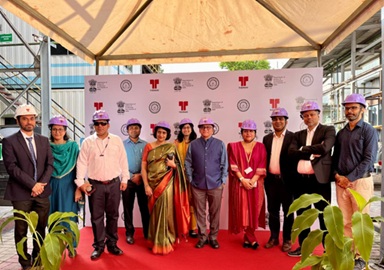
The DST is also supporting CCU projects in the power sector: a CO₂-to-methanol plant was inaugurated in Pune as a joint effort between IIT Delhi and Thermax Ltd. Similarly, a CO₂-to-dimethyl ether plant is being developed in Hyderabad by CSIR–Indian Institute of Chemical Technology in cooperation with BHEL. These projects have the potential to be deployed in captive power plants across various industry sectors, supplementing the adoption of renewable energy for green electricity.
Green hydrogen
Green hydrogen is shaping up to be an important clean energy source for iron ore reduction and cement clinker production. It can replace coal and natural gas in industrial furnaces, reducing CO₂ emissions drastically. In the chemical industry, green hydrogen can substitute fossil-derived hydrogen (grey hydrogen) in ammonia and methanol production, eliminating associated emissions. Hydrogen is also an important feedstock in CCU applications for producing synthetic fuels like SAF, green ammonia and green methanol— liquid fuels that can be used in existing engines and infrastructure—bridging the gap to full electrification in sectors like aviation and shipping. In the steel industry, the most promising alternative pathway for near-zero emissions production is through hydrogen-based direct-reduction of iron (HDRI)–electric arc furnace (EAF) route. The HDRI-EAF route is being researched and commercialised through projects like HYBRIT and Stegra in Sweden. An Indian delegation visited these facilities in Sweden in May 2025 for the Industry Transition Partnership Summit 2025 and gained exposure to the technologies, business models, enabling policies and market conditions for such projects to reach commercial scale. For this transition to occur in India, indigenisation of green hydrogen production and commercial-scale manufacture of related equipment and components will be critical, along with policy support for renewable power, clean fuels and carbon pricing.

To unlock green hydrogen’s full potential, coordinated action is essential. Governments must provide long-term policy direction and incentives to create a stable environment for market participants. Public-private partnerships across sectors can de-risk investments and accelerate deployment. Advancements in electrolyser efficiency, scaling, and integration with renewables will lower costs.
The National Green Hydrogen Mission (NGHM), launched by the Government of India on 04 January 2023, with an outlay of INR 19,744 crore, aims to position India as a global hub for the production, utilisation, and export of green hydrogen and its derivatives. The mission targets the development of at least 5 million tonnes of green hydrogen production capacity per annum by 2030, supported by an addition of approximately 125 GW of renewable energy capacity. Key components of the mission include the Strategic Interventions for Green Hydrogen Transition (SIGHT) programme, which offers financial incentives for electrolyser manufacturing and green hydrogen production, with an allocation of INR 17,490 crore. Additionally, INR 1,466 crore is earmarked for pilot projects across sectors such as steel, mobility, shipping, and decentralized energy applications; INR 400 crore for research and development; and INR 388 crore for other mission components. Specifically for the steel sector, the mission will provide up to INR 455 crore till 2029–30 for low-carbon steel projects.
The mission is expected to attract investments exceeding INR 8 lakh crore and create over 600,000 jobs by 2030. It aims to reduce fossil fuel imports by over INR 1 lakh crore and abate nearly 50 million tonnes of annual greenhouse gas emissions. The implementation strategy involves developing green hydrogen hubs, establishing a robust regulatory framework, promoting research and development through public-private partnerships, and facilitating skill development programmes.
The DST is working to devise innovative funding and support mechanisms for indigenous projects on integrated green hydrogen technology and capacity building through joint efforts between government, industry, and academia. It has been supporting the development of hydrogen technologies since 2018 and has backed around 58 projects worth INR 100 crore. The DST and Innovation Fund Denmark (IFD) announced a Joint Call for Project Proposals 2022 under the Indo-Danish Research and Innovation Cooperation in ‘Green Fuels, Including Green Hydrogen.’ This initiative aimed to foster value creation through research and innovation, focusing on developing new technologies, solutions, services, and business models related to green fuels, including green hydrogen, as well as green fuels for transport and industry (e.g., Power-to-X). This call was renewed in August 2024 and recommended proposals are under consideration for financial support.
The DST and the French National Research Agency (ANR) have jointly announced a Call for Proposals 2025 under the Indo-French partnership in ‘Green Hydrogen Innovations for Sustainable Energy Solutions.’ This initiative aims to catalyse a stronger Indo-French research and innovation ecosystem by supporting high-impact, binational R&D projects in electrochemical hydrogen production, hydrogen carriers and storage systems. The call was launched in March 2025. The DST also commissioned a project to carry out advanced process simulation modelling for hydrogen applications in the steel and cement sectors. The project, carried out by the Centre for Study of Science, Technology and Energy Policy (CSTEP), provided theoretical estimates of the green hydrogen blending potential in blast furnaces and cement kilns and calculated the impacts on emissions and costs.
The DST participated in the World Hydrogen Summit 2024 held in Rotterdam, gaining valuable insights into global green hydrogen advancements. The Indian delegation led by DST showcased India’s hydrogen initiatives at the Indian Pavilion. The event enabled engagement with international stakeholders across the hydrogen value chain and emphasized India’s leadership in renewable energy under the SIGHT and pilot programs. The delegation also visited TU Delft to explore energy-efficient building designs and ongoing Indo-Dutch water collaborations, and toured the Port of Rotterdam, witnessing pioneering projects in green ammonia transfer and hydrogen-based refineries. These engagements reinforced India’s commitment to innovation, international collaboration, and accelerating the transition to a green hydrogen economy.

The tour of the Green Hydrogen Valley and Hubs Week in the Netherlands and the European Hydrogen Week in Brussels offered the Indian delegation, led by the DST, critical exposure to Europe’s mature and integrated green hydrogen ecosystem. The visit highlighted successful models such as the HEAVENN hydrogen valley, Rotterdam’s hydrogen import and distribution hub, and the Hydrogen Backbone initiative—demonstrating large-scale production, storage, and sectoral integration. Indian delegates engaged with R&D centres, startups, and policymakers, gaining insights into advanced fuel cell technologies, electrolysers, and solid-state hydrogen storage. The tour reinforced the importance of innovation, cross-sectoral applications, and collaborative policy frameworks in building India’s hydrogen infrastructure. A major outcome was the announcement of the Indo-Dutch Hydrogen Valley Fellowship Program, facilitating hands-on experience for Indian researchers and further strengthening bilateral cooperation in green hydrogen development.
Through such interventions, the Department of Science and Technology and the Government of India overall, along with industry and research partners, are playing an important role in creating an enabling ecosystem and carrying out joint research activities to accelerate the development and deployment of efficient, cost-effective and practical indigenous solutions that have the potential to lay a clear pathway for crucial industries like cement and steel to achieve net-zero emissions while contributing to an Atmanirbhar Bharat and helping achieve a Viksit Bharat.
Authors
Dr. Sanjai Kumar
Scientist ‘E’
Program Officer: Carbon Capture Utilisation & Storage, Methane Monitoring and Mitigation, and Water Technologies
Climate, Energy, and Sustainable Technology (CEST),
Department of Science and Technology (DST),
Ministry of Science and Technology, Government of India
Mail: [email protected]
Sabarish Elango
Programme Lead
Industrial Sustainability,
Council on Energy, Environment and Water (CEEW)
Mail: [email protected]
Dr. Ranjith Krishna Pai
Scientist ‘F’/Senior Director
Program Officer: Hydrogen and Fuel Cell / Materials for Energy Storage
Climate, Energy, and Sustainable Technology (CEST),
Department of Science and Technology (DST),
Ministry of Science and Technology, Government of India
Mail: [email protected]
Dr. Neelima Alam
Scientist ‘F’/ Associate Head
Program Head: Carbon Capture Utilisation & Storage, Methane Monitoring and Mitigation, and Water Technologies
Climate, Energy, and Sustainable Technology (CEST),
Department of Science and Technology (DST),
Ministry of Science and Technology, Government of India
Mail: [email protected]
Dr. Anita Gupta
Head & Adviser
Climate, Energy, and Sustainable Technology (CEST),
Department of Science and Technology (DST),
Ministry of Science and Technology, Government of India
Mail: [email protected]
Disclaimer: The views expressed in this article are personal and do not necessarily reflect the official position of the Department of Science and Technology or the Government of India.
]]>Every year on June 5, Environment Day serves as a global reminder of our responsibility to protect the environment and preserve the natural beauty of our planet. It is a call to action against pressing environmental challenges, with water security standing out as one of the most critical, especially in India. Rapid urbanization, climate change, and unsustainable practices continue to put immense pressure on this precious resource. Despite housing 18% of the world’s population, India has access to only 4% of global freshwater resources. With per capita water availability at 1,588 cubic meters, the country is already classified as water-stressed by international standards. Addressing these challenges requires innovative, evidence-based solutions, many of which emerge from global collaborations that bring together research, technology, and policy expertise.
Recognizing the urgency of the situation, the Department of Science and Technology (DST), India, has been actively working to strengthen domestic research capabilities in water management. In 2007, DST launched the Water Technology Initiative, to support the research, development, and deployment of affordable, locally adaptable water solutions. These efforts have been further strengthened through international collaborations, including those with the Netherlands, the USA, and the UK, resulting in groundbreaking projects aimed at tackling India’s water crisis. The Indo-Dutch partnership, in particular, has been instrumental in addressing various aspects of water sustainability, from river restoration and agricultural water use to urban water governance and climate resilience.
One such Indo-Netherlands initiative supported by DST-India & NWO-Netherlands, the Cleaning the Ganga and Agri-Water Programme, focuses on improving agricultural practices within the Hindon sub-basin, a tributary of the Ganga. The supported projects contribute directly to Sustainable Development Goals (SDGs) 2, 6, and 13, which focus on zero hunger, clean water and sanitation, and climate action, respectively. Through a network of innovation platforms, researchers, Industries, and farmers collaborate to enhance water-efficient cultivation techniques, choose co-cycles, uplifting the livelihoods of the farmers. The introduction of crop health monitoring systems further aids in ensuring more sustainable water use in agriculture, empowering farmers to make informed decisions while minimizing environmental impact.

Another major Indo-Dutch initiative of DST, Water4Change, is reimagining urban water management in India’s secondary cities, including Bhopal, Bhuj, and Kozhikode. This multidisciplinary project approaches water-sensitive urban planning through four interconnected lenses: societal behaviour, spatial-ecological planning, technology, and governance. By engaging local communities and policymakers, the project has co-developed impact pathways that help cities transition toward more resilient and adaptive water management systems. The collaboration has resulted in practical tools and publications that provide valuable insights into improving urban planning, public awareness, and water governance. More importantly, it has cultivated local champions who will continue advocating for water-sensitive development beyond the project’s duration.

Building on this partnership, the Water Disaster Management (WDM) programme unites Dutch and Indian researchers to create cutting-edge tools for flood and drought resilience. Through projects like RESTARTIN, LODESTAR, and Resilient HydroTwin, researchers are combining digital technologies—such as AI models, low-cost sensors, and participatory digital twins—with governance reforms to build local resilience. By working with case studies from varied regions across India, these projects exemplify a move toward holistic, adaptive management of water-related risks.

These efforts illustrate how global partnerships are driving sustainable, climate-resilient strategies for adaptive water planning and governance. By integrating scientific research, policy interventions, and stakeholder engagement, they address a wide range of water-related challenges—from mitigating floods and managing droughts to reducing pollution and improving community resilience. These projects span across diverse landscapes, from rural villages and agricultural belts to bustling secondary cities and megacities, proving that context-specific solutions can be scaled and adapted to meet different water challenges at local, regional, and national levels.

Beyond infrastructure and research, a significant impact of these collaborations is capacity-building among local stakeholders. Through training programmes and knowledge-sharing initiatives, municipal authorities, researchers, and community groups are empowered to take greater ownership of water management efforts. The creation of interactive platforms allows Indian stakeholders and Dutch researchers to exchange knowledge, share best practices, and adapt international methodologies to local contexts. These partnerships ensure that solutions developed are practical, sustainable, and scalable, fostering a ripple effect that extends well beyond the scope of individual projects.
As climate change accelerates, the need for coordinated, multi-stakeholder water management strategies becomes ever more critical. While existing international collaborations have laid a solid foundation, the journey toward long-term water security is far from over. Expanding these partnerships, reinforcing policy support, and strengthening grassroots engagement will be crucial to ensuring that sustainable water solutions become a permanent reality.
On World Environment Day, we are reminded that water security is not just an environmental necessity – it is a shared responsibility. Through global cooperation, scientific innovation, and community-driven action, we can transform water challenges into opportunities for a more resilient and water-secure future.
Dr. Jagriti Mishra is Scientist-C of the Climate, Energy, and Sustainable Technology (CEST) Division at the Department of Science and Technology (DST), Government of India
Dr. Sanjai Kumar is Scientist-E of the Climate, Energy, and Sustainable Technology (CEST) Division at the Department of Science and Technology (DST), Government of India.
Dr. Neelima Alam is the Associate Head of the Climate, Energy, and Sustainable Technology (CEST) Division at the Department of Science and Technology (DST), Government of India.
Dr. Anita Gupta is the Head of the Climate, Energy, and Sustainable Technology (CEST) Division at the Department of Science and Technology (DST), Government of India.
Dr. Mona Iyer is the Principal Investigator (Work Package 2: Spatial-Ecological Water-Sensitive Planning and Design) of the DST-NWO-funded Water4Change Project and a Professor in the Faculty of Planning, CEPT University (Ahmedabad).
Disclaimer: The views expressed in this article are personal and do not necessarily reflect the official position of the Department of Science and Technology or the Government of India.
]]>Earth Day is globally organised every year on April 22nd, to raise awareness about environmental issues such as pollution, deforestation, climate change, endangered species and the overall well-being of our planet. It encourages individuals, communities, and governments to take action to preserve natural resources, protect the environment, and fosters a deeper connection between humanity and the Earth to maintain a healthier planet.
A paradigm shifts in developmental activities related to Science and Technology, food production, energy, and other sectors over the past one decade has significantly improved human living conditions. However, it has also contributed to accelerated climate change, reduced availability of natural resources, environmental degradation, and adverse health impacts—ultimately causing systemic disorders in the planet’s health, with water being the central factor.
A sustainable future for our planet Earth hinges on the responsible management of its vital resources. Groundwater, which provides drinking water for up to 50% of the global population and supports 43% of irrigation, is one such critical resource. However, over exploitation has led to accelerated depletion in many aquifers worldwide, particularly in agricultural regions.
To ensure groundwater remains a reliable resource for future generations, sustainable solutions are imperative. These include implementing water conservation techniques, improving agricultural practices, and enhancing governance to manage water use effectively. Community engagement also plays a crucial role, fostering a sense of shared responsibility and promoting effective groundwater management practices. By integrating groundwater management into strategies for both Sustainable Development Goal (SDG 6# Clean Water and Sanitation, and SDG 12: Responsible Consumption and Production), we can ensure the sustainable use of this vital resource, promoting health, well-being, and environmental sustainability.
India’s major water resources primarily depend on precipitation. However, the availability of water resources both in time and space are highly heterogeneous, making it difficult to forecast. The annual average per capita availability of water in the country has been subjected to substantial reduction from 5000 M3 in 1950 to 1401 M3 in 2025 with a gloomy prediction for the future. The national average annual rainfall of 1180 mm, though appear to be a sizable quantity, its variation from a minimum of 200 mm in Rajasthan to around 11000 mm in Arunachal Pradesh reflects rigours systemic heterogeneity.
The physiography of India is characterized with elevations reaching 8848 m above mean sea level (MSL) in the Himalayan Mountain range on the north, to about 300 m above MSL in the elevated peninsular region, and still further close to MSL in the coastal plains and islands. The country, with over 27 major river basins, has a surface water potential of 1,999.2 billion cubic meters (BCM), of which only 690.1 BCM is usable. This is further supplemented by 407 BCM of ex-tractable groundwater, of which approximately 60% is currently utilized, leaving scope for development of the remaining 40%.
India, being an agrarian nation, utilises 85-90% of its usable water resources in agricultural activity. However, the use of groundwater for irrigation has been on the exponential rise in the past four to five decades, which otherwise was used in domestic sector and minor irrigation. With the advent of advances in drilling and pumping technologies, groundwater is now being extracted from depths of 1,500- 2,000 meters in many hard rock regions.
The Green Revolution supplemented by frequent occurrence of extreme climatic events, while ensuring food security to India, has become the major contributor in over exploitation of ground water. A four- to five-fold increase in the per unit productivity of staple crops like rice and wheat since 1950 is largely attributed to the increased use of water, fertilizers, pesticides, improved crop varieties, and modern agricultural practices. The use of more than 50 % of the available ground water for irrigation has led to a sharp decline in both its availability and quality.
Furthermore, developmental activities associated with ever growing needs of water food and energy has mounted cumulative stress on coastal aquifers and environment all along the 11084 km coast line of India including its island territories, both in terms of reduced utilisable resource and associated quality.
All these developments have made the Earth less resilient—impacted by climate change, increased variability, and uncertainties in monsoon patterns and hydrological systems. This has led to a decline in surface water availability, over exploitation of groundwater, the disappearance of shallow aquifers, and a deterioration in water quality due to both natural (geogenic) and human-induced (anthropogenic) sources, including emerging contaminants.
To address these complex challenges affecting the health of the planet, with water at its core stage, the Department of Science and Technology (DST), Ministry of Science and Technology, Government of India, has envisaged and promoted strategic scientific analogies for the sustainable development, treatment, recovery and reuse of ground water. These efforts aims to reduce the stress on the dwindling fresh water resources, improve water quality, and protect the environment as a whole.
One of the most popular and effective activities of Water Technology Initiative (WTI), with scope to involve every human as a stake holder, is rainwater harvesting and groundwater recharge in different parts of the country to suit the local physiographic and climatic conditions.
Projects supporting rainwater and rooftop harvesting have been implemented through premier research Institutions in different states of the country such as Rajasthan, Kohima, Telangana, Uttarakhand, Tripura, Koraput, Goa, and Jharkhand. Other initiatives include the development of porous pavements in urban areas, the rejuvenation of tanks and lakes along with their inlet fluvial networks in Uttarakhand, Karnataka, and Rajasthan, and the installation of riverbank filtration systems in Uttarakhand, Karnataka and Goa etc.

Figure-1: Rain Water Harvesting Tanks at Chirawa and Mewat region of Rajasthan
These efforts have not only contributed to the development of cost effective rain water harvesting techniques but also lead to the refinement of traditional practices for improvement of water resources. The regional quantitative estimates indicate that these activities could contribute to at least up to 20 % of the annual needs along with significant improvement in the groundwater regime.
One of the innovative and major programmes supported in the coastal nearshore regions of Karnataka, Tamil Nadu, and Kerala focused on the design and development of cost-effective subsurface structures. These systems have opened up new technological avenues—not only for capturing and storing freshwater that would otherwise flow into the ocean, but also for augmenting groundwater resources while simultaneously helping to prevent seawater intrusion.
Development of sensors including those of bio and electrochemical nature with varied measurement precessions supported with IoT, AI and DSS has led to the identification and quantification of contaminants and their sources in real and near real time basis facilitating timely actions and course corrections in the treatment of contaminated waters and distribution networks. Progammes supported in Tamil Nadu, Maharashtra and Karnataka are live examples of these accomplishments. Use of IoT in conjunction with water quality sensors has led to the monitoring and management of water quality and quantity in agricultural sector with the development and implementation of optimum irrigation scheduling leading to 30 % water conservation apart from significant reduction in negative impact of the irrigation return flows on the soil, surface water network and the environment.

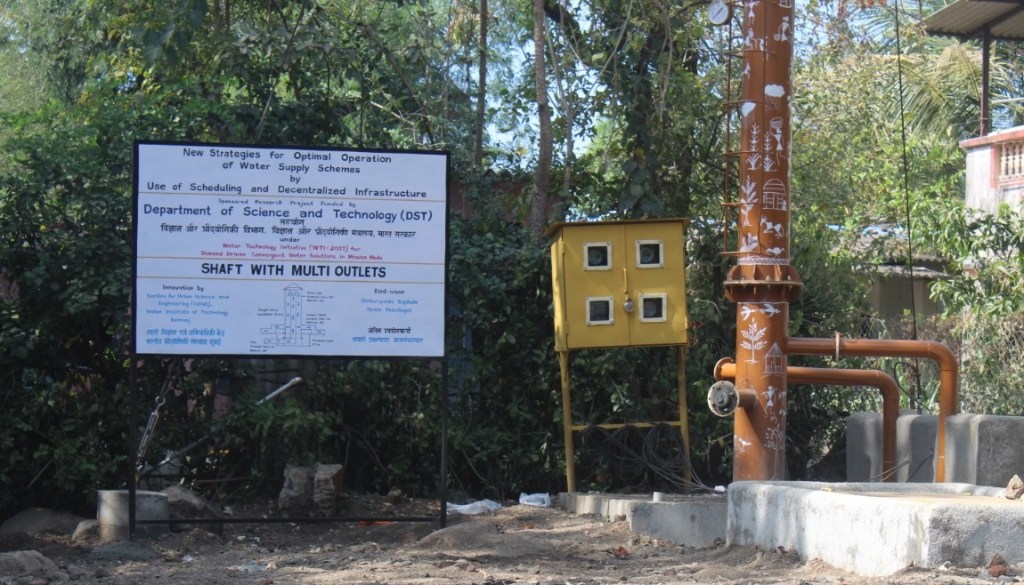
Figure: 2 (a) IoT based Scheduling and decentralized infrastructure led to optimal water supply installed at Palghar, Maharashtra and (b) Smart Water Supply & Distribution system at Coimbatore
Demonstrations made in Hindon River basin under Indo-Dutch collaboration reflects an effective application even at basin scale.

Figure: 3 (a) Indo -Dutch Joint interventions near Hindon region on Agriculture
Programmes supported in West Bengal, Telangana, Maharashtra, Bihar, Andhra Pradesh, Goa and other states have focused on the in-situ treatment of geogenic contaminants such as arsenic (As), iron (Fe), fluoride (F), and various emerging contaminants (ECs). These initiatives use simple yet effective technologies like Advanced Oxidation, Biochar, nano- absorbents, and LED-based systems, making scientific solutions both accessible and affordable across rural, urban, and remote areas—removing barriers to adoption.
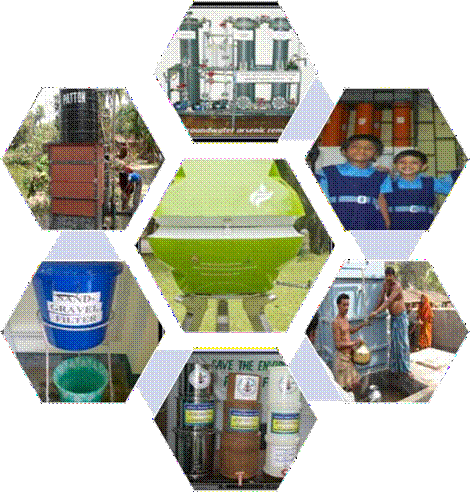
Figure 4 : Arsenic Removing Technologies developed under WTI program
The removal of nitrate from both natural and anthropogenic sources has also become easier and more cost-effective, as demonstrated in Chennai’s residential complexes and rural agricultural regions of Tamilnadu.
As a step ahead in the management of RO reject in the form of brine and saline waters, its utilisation for cultivating salt tolerant edible species like Salicornia in Tamilanadu and Gujarat presents a promising case study.
The increasing threat of emerging contaminants—including pesticides, endocrine-disrupting compounds (EDCs), and pharmaceuticals and personal care products (PPCPs)—could be effectively addressed not only in freshwater resources, as demonstrated in Maharashtra, Uttar Pradesh, and other regions, but also in wastewater systems through appropriate secondary treatment, thereby protecting both human health and the environment.
The storage of fresh rainwater in natural saline ground water pockets during the monsoon, and its use in lien periods proved to be an innovative technology in critically water stressed areas of Rajasthan. This approach holds promising potential for other water-scarce communities as well. It serves as a compelling case study demonstrating how an understanding and manipulation of subsurface hydrodynamics can enable the safe capture and storage of freshwater in saline aquifers.
To address the impacts of frequently occurring floods and droughts, scientific approaches deployed in Punjab, Haryana, Maharashtra, Tamil Nadu and other regions have demonstrated the use of flood waters as a resource. These initiatives have significantly contributed to groundwater recharge and the management of urban flooding and waterlogging, while also helping to mitigate groundwater depletion.

Figure 5 : Co-solving water logging and groundwater depletion issue in parts of Faridabad using Underground Taming of Flood water for Aquifer Storage and Recovery
Several projects implemented in various coastal states like Andhra Pradesh, Karnataka, Kerala, Tamil Nadu, Gujarat, Anadaman Islands have adopted simple empirical, analytical approaches, along with sensors to identify the quantum of sea water intrusion in coastal aquifers and enable their effective management and utilisation.
In the case of large volumes of mine water—once considered detrimental to progressive mining, groundwater quality, and the environment—the application of modified RO technologies and phytoremediation, either in combination or as standalone methods, has shown promising results. Implemented in the coal mines of West Bengal and the chromite mines of Sukinda, these techniques have successfully produced potable groundwater at an affordable cost. Additionally, they have helped prevent mine flooding and supported mine and rainwater harvesting, as well as groundwater recharge.
The application of Soil Aquifer Treatment (SAT) and Managed Aquifer Recharge (MAR) techniques in Tamil Nadu, Maharashtra, Jharkhand and other regions under EU collaboration has made significant contributions to safe groundwater recharge under diverse geohydrological conditions.
These activities have also played a key role in capacity building and the promotion of entrepreneurship in the fields of water treatment and management across the country.
In view of the increasing use of groundwater for multiple uses, the growing complexities in mapping the aquifer systems in hard rock terrain, the importance and vulnerability of costal aquifers, and the rising issue of aquifer contamination, India needs to reinforce its scientific approaches with a focus on the following aspects:
- Mapping of deep seated aquifer systems
- Rapid recharge and storage of groundwater
- Understanding and using Submarine groundwater discharges
- Application of AI and ML techniques for Optimisation of observations and models
Sustained management of ground water, from both quality and quantity perceptions, can significantly contribute to food security, human and environmental health and climate resilience.
About the Authors:
Dr. Jagriti Mishra is Scientist-C of the Climate, Energy, and Sustainable Technology (CEST) Division at the Department of Science and Technology (DST), Government of India.
Dr. Sanjai Kumar is Scientist-E of the Climate, Energy, and Sustainable Technology (CEST) Division at the Department of Science and Technology (DST), Government of India.
Dr. Neelima Alam is the Associate Head of the Climate, Energy, and Sustainable Technology (CEST) Division at the Department of Science and Technology (DST), Government of India.
Dr. Anita Gupta is the Head of the Climate, Energy, and Sustainable Technology (CEST) Division at the Department of Science and Technology (DST), Government of India.
Dr. P Rajendra Prasad, Professor Emeritus, (Formerly) Sir Arthur Cotton Geospatial Chair Professor Center for Studies on Bay of Bengal /Dept. of Geophysics, Andhra
University, Visakhapatnam, India
Disclaimer: The views expressed in this article are personal and do not necessarily reflect the official position of the Department of Science and Technology or the Government of India.
]]>On April 22, 2025, Earth Day serves as a significant global milestone, marking the ongoing collective efforts to confront the challenges of climate change. The theme for this year, “Our Power, Our Planet,” underscores the urgency of innovative and sustainable solutions to combat the accelerating climate crisis. As the world grapples with rising temperatures, extreme weather events, and environmental degradation, the need for nations to step up their climate commitments has never been more critical.
In this context, India, as the third-largest emitter of greenhouse gases (GHGs) globally, is recognizing the critical importance of balancing economic growth with climate responsibility. India’s leadership in climate action is not only reflected in its ambition to meet the net zero emissions target by 2070 but also in the visionary policies it is implementing to achieve these goals.
At the heart of these efforts is the concept of India’s Panchamrit commitments, a comprehensive framework introduced by the Hon’ble Prime Minister of India at the COP-26 summit in Glasgow, which envisions a climate-resilient future for India and the world. The five point plan to achieve net-zero emissions by 2070 includes goals for Non-fossil energy capacity, renewable energy source, carbon emissions reduction, carbon intensity reduction and finally net zero emissions.This framework highlights India’s commitment to reducing carbon emissions, enhancing renewable energy capabilities, and fostering sustainable development.
A crucial component of this overarching vision is the role of Carbon Capture, Utilization, and Storage (CCUS) technologies. As the world accelerates towards decarbonization, India has positioned CCUS as a central pillar in its strategy for reducing carbon emissions, particularly from sectors that are challenging to decarbonize, such as power generation, cement, and steel. By leveraging cutting-edge research and development, India aims to transform the potential of CCUS into practical, large-scale solutions that align with both national priorities and global climate objectives. It may be worthwhile to explore the upcoming CCUS Mission of the Government of India, aimed at accelerating the development and deployment of the key climate mitigation technologies.
The Department of Science and Technology (DST) has been instrumental in this effort, driving forward the country’s CCUS agenda through innovative research, technological development, and strategic partnerships. With a clear focus on fostering collaboration, capacity-building, and technological innovation, DST is laying the groundwork for a carbon-neutral future. By championing CCUS technologies, DST is not only contributing to India’s climate goals but also reinforcing India’s position as a leader in the global climate action movement. The Earth Day 2025, serves as an opportunity to reflect on the progress made and the continued commitment required to meet the challenges of the climate crisis, with India and its ambitious Net Zero target at the forefront of global efforts.

The Role of CCUS in India’s Climate Strategy
As India pursues its ambitious goal of achieving emissions reduction in due course, a fundamental shift in the approach to carbon management is required. While the expansion of renewable energy sources, such as solar and wind power, plays a critical role in reducing India’s carbon footprint, it is evident that these solutions alone cannot fully address the emissions from some of the most carbon-intensive sectors. In particular, heavy industries such as power generation, cement, and steel face significant challenges in transitioning to cleaner alternatives due to their high energy demands and reliance on fossil fuels. Further, the inevitable or residual emissions that result from the way that these ‘hard-to-abate’ sectors operate will need to be attended. This is where Carbon Capture, Utilization, and Storage (CCUS) technologies emerge as a key player in India’s decarbonization strategy.
CCUS refers to the process of capturing carbon dioxide (CO₂) emissions produced from industrial processes or directly from the atmosphere, and either storing them in geological formations or converting them into valuable products. This technology offers India a crucial pathway for significantly reducing its overall carbon emissions while enabling continued industrial growth and energy generation. As the world moves toward Net Zero targets, CCUS is increasingly recognized as an essential tool for reaching these goals, particularly in industries that are difficult to decarbonize.
India’s commitment to CCUS is grounded in its broader climate goals, which aims to establish sustainable solutions for energy, carbon markets, and industrial decarbonization. Through CCUS, India can achieve substantial reductions in greenhouse gas (GHG) emissions while enabling critical industries to operate more sustainably. For example, in the cement industry, CO₂ captured during production can be used for enhanced oil recovery or converted into valuable chemicals, contributing to both emissions reduction and the creation of new economic opportunities. Similarly, the power sector can leverage CCUS to capture emissions from fossil fuel-based power plants, significantly cutting down on their carbon footprint.
Moreover, CCUS technologies enable India to simultaneously work towards the promotion of climate justice and the enhancement of sustainable industrial development. As a rapidly growing economy, India must ensure that its pursuit of industrial growth does not come at the expense of environmental sustainability. CCUS offers a practical solution to balance economic development with environmental responsibility, ensuring that India can continue its path toward industrialization without exacerbating its contribution to climate change. CCUS deployments are intertwined with just transitions, aimed at maximizing social and climate benefits, ensuring continued operation of the existing energy infrastructure and enabling a low-carbon economy in the future.
In addition to offering a technological solution to carbon emissions, CCUS aligns with India’s broader climate justice commitment. India has highlighted the need for global cooperation and the fair sharing of technological advancements to ensure that countries with different capacities can contribute effectively to climate action. By investing in CCUS and scaling up its capabilities, India not only advances its own climate objectives but also contributes to global efforts to mitigate climate change. Through these efforts, India demonstrates that achieving a sustainable and equitable future is possible, even for nations with high industrial demands.
The potential of CCUS technologies to unlock emissions reductions while maintaining industrial output makes them indispensable to achieving long-term climate goals. India’s strategic focus on CCUS ensures that the country can decarbonize its most challenging sectors and play a leading role in global climate action efforts. Through policy support, technological innovation, and international collaboration, India is making significant strides in realizing its vision of a sustainable, low-carbon economy.
DST Spearheading CCUS Research, Development and Deployment
As India works toward its net zero target, the role of DST in advancing CCUS research, development, and deployment cannot be overstated. The Department’s efforts are central to ensuring that India not only meets its climate commitments but also becomes a global leader in the development and scaling of innovative carbon management solutions.
One of the key aspects of DST’s leadership is its dedication to building a robust CCUS ecosystem. Through strategic funding initiatives, capacity-building programs, and policy advocacy, the department has successfully mobilized a wide array of stakeholders, including academia, industry, and start-ups. By fostering collaborations across these sectors, DST ensures that the latest scientific innovations in CCUS can be rapidly translated into practical, scalable solutions that have real-world applications in reducing greenhouse gas emissions. This integrated approach allows for a cross-pollination of ideas and expertise, enabling the development of cutting-edge technologies that address India’s most pressing environmental challenges.
DST’s National Centres of Excellence (NCoEs) have also been established as part of the roadmap, focusing on sector-specific innovations that can lead to breakthrough solutions in CCUS. For example, the NCoEs at IIT Bombay, JNCASR Bengaluru, and NEERI Nagpur have been instrumental in conducting large-scale assessments and developing cutting-edge technologies in areas such as CO₂-enhanced oil recovery and CO₂-to-methanol conversion. The collaborative nature of these centres is enhancing India’s ability to transition from research to commercialization.

One of the notable initiatives led by DST is the establishment of sector-specific research priorities. For example, in the power sector, DST’s research efforts focus on the development of advanced CO₂ capture technologies that can be integrated into existing thermal power plants. Similarly, in the cement and steel industries, DST is supporting research aimed at finding innovative ways to utilize captured carbon in construction materials or for enhanced oil recovery. These initiatives directly align with the goal of achieving industrial decarbonization while maintaining economic growth.
DST’s leadership extends beyond just research into technology deployment. The Department is actively engaged in facilitating translational R&D projects that demonstrate the practical application of CCUS technologies in real-world industrial settings. These pilot projects serve not only as testbeds for validating the effectiveness of emerging technologies but also as learning platforms for identifying challenges and solutions in the scaling-up process. By providing both the infrastructure and financial support necessary for these projects, DST is ensuring that CCUS technologies are ready for widespread deployment across India’s hard-to-abate sectors.
In addition to its Research and Development efforts, DST also plays a crucial role in policy formulation and advocacy for CCUS technologies. The Department works closely with other governmental agencies and industry stakeholders to ensure that supportive regulatory frameworks are in place for the large-scale deployment of CCUS technologies. This includes addressing issues such as subsidy structures, carbon pricing, and incentives for industries to adopt cleaner technologies. By ensuring that the right policy environment exists, DST is helping to create an enabling ecosystem for the commercialization and widespread adoption of CCUS solutions.
DST’s Roadmap for Advancing CCUS Technologies
DST has taken significant strides to ensure that these technologies form a core component of the nation’s climate strategy. To navigate the complexities of reducing greenhouse gas emissions while driving industrial growth, DST has developed a clear and robust roadmap. This roadmap is not only designed to accelerate CCUS research but also to ensure that the technologies developed are scalable, cost-effective, and capable of meeting India’s energy demands in a sustainable way.
Central to this vision is the High Task Force established by DST, which brings together experts from various sectors, including academia, industry, policy-making, and funding agencies, to ensure that efforts to advance CCUS are aligned with India’s climate goals. The roadmap is a collaborative effort, integrating inputs from multiple stakeholders to create a cohesive strategy that addresses both the scientific challenges of CCUS and the economic realities of implementing these technologies at scale. By fostering this level of collaboration, DST is creating an ecosystem that can adapt to and overcome the challenges of climate change and industrial decarbonization.
One of the roadmap’s key elements is highlighting technology acceleration in sectors that are traditionally hard to decarbonize, such as cement, steel, oil-gas and power generation. To address these challenges, DST has identified CO₂ capture, storage, and utilization as the critical areas for innovation. As part of this effort, the DST roadmap includes creation of national testbeds, which are being developed to validate emerging CCUS technologies. These facilities are crucial for ensuring that the innovations can be effectively tested and adapted to real-world industrial settings before wide-scale deployment.
Moreover, the DST roadmap places significant emphasis on funding mechanisms that are designed to support the development and deployment of CCU technologies and CCS assessments. Further, mapping India’s geological storage potential for CO₂ is a critical focus of the DST roadmap. India’s geological storage capacity for CO₂ is estimated to be high, which positions the country as a potential leader in carbon sequestration.
DST is also prioritizing the training and capacity-building of professionals in CCUS technologies, recognizing that knowledge-sharing is critical to the successful deployment of these solutions. Through support to national-level workshops on sectoral decarbonization and international collaborations, DST is facilitating the exchange of ideas and technical expertise that will ensure the effective implementation of CCUS strategies across industries. The department’s focus on training programs also ensures that India’s workforce is equipped with the necessary skills to lead the global transition to a low-carbon economy.
In terms of challenges, the DST roadmap acknowledges several barriers to the widespread adoption of CCUS technologies. High capital costs, logistical challenges related to the transportation of CO₂, and the need for robust regulatory frameworks are some of the primary obstacles. DST is addressing these challenges through targeted R&D investments and policy advocacy, aiming to reduce the financial risks associated with CCUS deployment. By engaging multiple stakeholders and multilateral partners, DST is building a collaborative ecosystem that can tackle these challenges and accelerate the development of cost-effective, scalable CCUS solutions.
Funding Models to Accelerate CCUS Technologies
The development and deployment of CCUS technologies represent one of the most critical solutions in the fight against climate change. However, the path to realizing the full potential of CCUS is complex and requires substantial investments. Recognizing the scale of this challenge, the Department of Science and Technology has designed a variety of funding models that support both the research and deployment of these technologies in India. These funding mechanisms are intended to accelerate the transition to a low-carbon economy, enhance technological innovation, and ensure that India remains at the forefront of the global carbon management efforts.
The funding models employed by DST focus on multiple stages of the CCUS technology development lifecycle, from fundamental research to large-scale deployment. These models are designed to create a supportive ecosystem that enables the growth of disruptive technologies while addressing challenges like high capital costs, technology readiness, and regulatory frameworks.
Global Cooperation
India’s participation in the Accelerating CCUS Technologies (ACT) initiative further strengthens the country’s commitment to global CCUS advancement. ACT is a multilateral collaboration involving Norway, USA, Germany, Netherlands. Denmark the United Kingdom, and other countries, aimed at solving key technical challenges in carbon capture and storage (CCS). Through this initiative, DST supports multilateral projects that focus on areas such as CO2 sequestration in concrete using 3D printing technology, subsurface stress analysis during CO₂ injection and ensuring the permanent storage of CO₂ in basalt formations.
ACT’s funding is directed at collaborative research designed to address the technical, economic, and regulatory challenges associated with large-scale CCS deployment. The funding provided through ACT has enabled DST to partner with international organizations, research institutions, and industry players, ensuring that India benefits from the latest advancements in CCS technology. This has further evolved to a wider platform with 30 member-countries like Clean Energy Transition Partnership (CETP) to further enable Indian researchers to access global expertise, accelerate the development of CCUS technologies, and implement innovative solutions tailored to local conditions. DST has supported a CETP Consortia in collaboration with Swedish Energy Agency for CCU deployment in Copper smelting plants.
Through these efforts, India is positioned to make significant strides in carbon storage technologies, which are essential for the country’s long-term climate goals. In line with India’s strategy of international collaboration, DST has fostered a range of multilateral and bilateral partnerships to support the advancement of CCUS technologies. Collaborations with global research institutions, government agencies, and industry groups are critical to addressing the complexities of decarbonization and driving the deployment of carbon management technologies on a global scale.
These partnerships ensure that India’s CCUS research is aligned with global best practices and that Indian researchers have access to the latest technological advancements and funding opportunities. DST’s engagement in initiatives such as Accelerating CCUS Technologies, Clean Energy Transition Partnership (CETP) and Mission Innovation is vital for ensuring that India benefits from the global pool of knowledge and resources necessary to meet its climate goals.
Earth Day’s Message: A Pathway Forward
Earth Day reminds us that combating climate change requires collective action across all sectors of society. For India, DST’s pioneering efforts in CCUS represent a critical step toward achieving its climate goals while fostering economic growth. By supporting innovation through funding mechanisms, building capacity through workshops and training programs, and fostering international collaborations, DST is ensuring that India remains at the forefront of global efforts to combat climate change.
This Earth Day 2025 serves as both a celebration of progress made and a call to action for continued investment in sustainable technologies like CCUS. As we look toward a cleaner future powered by innovation and collaboration, India’s leadership in carbon management stands as an example for the world to follow.
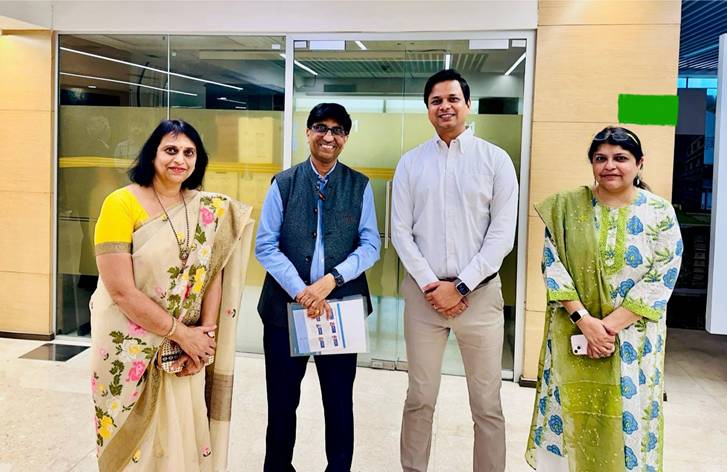
(L to R): Dr. Anita Gupta, Prof. Abhay Karandikar, Prof. Vikram Vishal, Dr. Neelima Alam
Acknowledgement
The authors would like to profusely thank and extend sincere appreciation to Prof. Abhay Karandikar, Secretary, Department of Science and Technology (DST), Government of India, for his visionary guidance, invaluable insights, and steadfast support in driving the CCUS initiatives, aimed at nurturing and accelerating decarbonization technologies.
Authors
Prof. Vikram Vishal is a Professor at Indian Institute of Technology (IIT) Bombay and serves as the Convener of the DST-National Centre of Excellence in CCUS at IIT Bombay.
Dr. Sanjai Kumar is Scientist-E of the Climate, Energy, and Sustainable Technology (CEST) Division at the Department of Science and Technology (DST), Government of India.
Dr. Neelima Alam is the Associate Head & Sc. F in the Climate, Energy, and Sustainable Technology (CEST) Division at the Department of Science and Technology (DST), Government of India.
Dr. Anita Gupta is the Head & Sc. G at the Climate, Energy, and Sustainable Technology (CEST) Division at the Department of Science and Technology (DST), Government of India.
Disclaimer: The views expressed in this article are personal and do not necessarily reflect the official position of the Department of Science and Technology or the Government of India.
]]>Every year, March 22 is observed globally as World Water Day, a reminder that while water sustains life, managing it wisely sustains our future. For India, with 1.4 billion people and just 4% of global freshwater resources, water security is no longer a sectoral concern—it is a national imperative. The country’s challenges—ranging from overexploitation of aquifers and declining water quality to seasonal floods, droughts, and growing inter-sectoral conflicts—demand urgent, multi-dimensional responses.
According to the Central Water Commission (2023), India’s per capita annual water availability has fallen from 5,177 cubic meters in 1951 to 1,486 cubic meters in 2021, approaching the internationally accepted threshold for water stress. NITI Aayog’s Composite Water Management Index (2018) projected that 21 Indian cities could run out of groundwater by 2030, placing over 100 million people at direct risk. Meanwhile, over 70% of India’s surface water is polluted (CPCB, 2021), and more than 1,100 blocks are classified as “overexploited” by the Central Ground Water Board (CGWB), particularly in agrarian belts across northern and western India.
Addressing this crisis calls for sustained innovation—scientific, institutional, and societal. Since 2007, the Water Technology Initiative (WTI) of the Department of Science and Technology (DST), Government of India, has played a pivotal role in catalyzing affordable, field-tested, and scalable water solutions across India. The initiative has supported over 300 projects, advancing technologies in drinking water treatment, wastewater reuse, desalination, sensor development, policy support, and capacity building.
One of WTI’s standout contributions has been in the area of desalination, which has become increasingly critical in coastal and arid regions. A WTI-supported solar-powered reverse osmosis (RO) plant in Gujarat now delivers potable water to coastal communities previously reliant on tanker supply. In the Andaman & Nicobar Islands, a membrane distillation-based unit coupled with solar thermal energy has proven effective in providing energy-efficient desalination. Similarly, capacitive deionization (CDI) systems piloted in Tamil Nadu offer promising results in removing salinity from groundwater in peri-urban belts.
WTI has also backed innovations in point-of-use treatment technologies, especially in fluoride- and nitrate-affected areas. Defluoridation units, nano-adsorbents, and microbial detection kits have been deployed in several villages in Rajasthan, Uttar Pradesh, and Odisha, directly improving drinking water safety. In industrial zones, WTI-supported mobile treatment systems have facilitated in-situ removal and recovery of heavy metals such as chromium, lead, and nickel, aligning with Zero Liquid Discharge (ZLD) norms and enhancing water reuse.
An often-overlooked aspect of water innovation is the interface between technology, community participation, and governance. WTI has promoted inclusive implementation—training local stakeholders, especially women-led self-help groups, to manage systems such as solar-powered water kiosks, thus embedding sustainability and livelihood opportunities into the technology ecosystem.
Beyond national efforts, international collaboration has significantly enriched India’s water innovation landscape. Under WTI and associated programs, India has forged strategic partnerships through bilateral and multilateral frameworks.
Under the support of DST-WTI, Indo-U.S. Science and Technology Forum (IUSSTF) has coordinated the Water Advanced Research and Innovation (WARI) fellowship program, enabling early-career Indian researchers to work with U.S. counterparts on advanced water technologies. WARI has strengthened capacity in areas such as wastewater resource recovery, membrane innovation, nanotechnology applications, and real-time water monitoring. Fellows trained under this program have returned to lead water-related R&D and entrepreneurship efforts in India, creating a multiplier effect.
India and the Netherlands share a robust and enduring partnership in water management. This collaboration has been reinforced through innovative initiatives like DIWALI (Dutch India Water Alliance for Leadership Initiative) and joint Indo-Dutch programs facilitated by DST-WTI & NWO, aimed at tackling the intricate challenges within the water domains like Urban Water Management, with the primary goal of devising a comprehensive, tailored framework for water-sensitive urban design. Clean Rivers & Agri Water has been another focus under the collaboration, which concentrated on assessing the agricultural sector’s impact on water resources and promoting sustainable agricultural water usage, and developing water balance models. In 2024, DST-NWO initiated bilateral collaboration focusing on Water Disaster Management under the Indo-Netherlands Water cooperation.
Through another robust bilateral Indo-UK cooperation under WTI, the DST, NERC, and EPSRC co-funded 8 consortia projects to improve water quality by providing a better understanding of the sources and fate of different Emerging contaminants like AMRs, EDCs, PPCPs, pesticides, Microplastics, etc. and by supporting the development of management strategies and technologies to reduce pollution levels.
Similarly, the Indo-German Science & Technology Centre (IGSTC) has co-funded projects addressing integrated urban water management, decentralized wastewater treatment, sensor networks, and smart irrigation systems. These collaborative projects have not only delivered technical breakthroughs but also encouraged policy-relevant research, field deployments, and knowledge exchange between Indian and German institutions and industry partners.
Other bilateral projects under Indo-French and Indo-Israeli collaborations, supported in conjunction with DST and agencies like Bpifrance, BMBF, and MASHAV, have focused on circular water economy models, drip irrigation efficiency, and advanced membrane filtration systems. The Indo-European Union Water Cooperation platform, in particular, has helped align Indian priorities with global best practices on water-energy-food nexus and urban water resilience.
Digital innovation is another thrust area. WTI has funded the development and piloting of IoT-enabled water quality sensors, Smart sensor based solutions for Water security and distribution, AI-based predictive analytics for reservoir management, and mobile apps for community water surveillance. These tools are being tested in cities like Coimbatore , Bengaluru and Hyderabad, as well as in Gram Panchayats under the Jal Jeevan Mission, to support real-time decision-making and user-level accountability.

Field extensive intervention by DST-WTi in water scarce and flouride infested areas of Rajasthan in Jhunjhunu district for Ground water augmentation and rain water harvesting involving community and Gram Panchayat. 
Field extensive intervention by DST-WTi in water scarce and flouride infested areas of Rajasthan in Jhunjhunu district for Ground water augmentation and rain water harvesting involving community and Gram Panchayat.
DST- WTI supported an advanced IoT-based Smart Water Supply and Distribution System in Coimbatore. The project ensured water security in the Charan Nagar area of Coimbatore-Tamil Nadu by approximately 30% reduction in water wastage, as smart leak detection sensors minimized losses caused by pipe bursts and leakages. This successfully piloted technology in 400 households in Charan Nagar, Coimbatore through DST support is now being scaled up and replicated in other areas of the city by the Municipal Corporation, Coimbatore.
DST-WTI has deployed another IoT-based wireless Monitoring and Scheduling intervention in two towns of Palghar District in Maharashtra (Saphale and Umberpada) that has led to optimal water supply in both towns of around 20,000 people. The smart system has improved water supply pressure and duration while being cost-effective and easier to maintain when compared with the conventional systems.
Equally important is the role of startups, many of which have been incubated through WTI’s support mechanisms. From arsenic detection strips to innovative arsenic removing materials /prototypes to decentralized greywater recycling modules, and from low-cost electrodialysis systems to microbial testing kits, these innovations are helping solve last-mile challenges in both rural and urban contexts. ISeveral of these technologies are now being mainstreamed through convergence with government programs like Jal Shakti Abhiyan, Swachh Bharat Mission, and Atal Mission for Rejuvenation and Urban Transformation (AMRUT).
Looking ahead, India must build on these foundations by focusing on five strategic priorities:
- Digital and Smart-IoT & AI enabled water solutions for real time monitoring, predictive analytics, intelligent water distribution;
- Decentralized water management, including traditional water harvesting and aquifer recharge;
- Wastewater reuse, especially in agriculture and industry, supported by robust policy incentives;
- Open, interoperable water data platforms for planning and transparency;
- Scaling public-private-academic partnerships, both domestic and global; and
- Investing in water literacy, from primary schools to technical universities.
World Water Day 2025 reminds us that while India’s water challenges are formidable, the science, technology, and human resources to address them are already in motion. The Water Technology Initiative, along with strategic international engagements like WARI and IGSTC, illustrates how collaborative, evidence-based, and socially embedded innovation can transform the country’s water future.
The task ahead is to scale success, sustain momentum, and institutionalize innovation. If we can do that, we will not only solve a national challenge but contribute meaningfully to the global discourse on water resilience in a changing world.
Dr. Kishore Paknikar is a former Director of Agharkar Research Institute, Pune, and currently serves as Chair of the Water Technology Initiative (DST).
Dr. Sanjai Kumar is Scientist-E of the Climate, Energy, and Sustainable Technology (CEST) Division at the Department of Science and Technology (DST), Government of India.
Dr. Neelima Alam is the Associate Head of the Climate, Energy, and Sustainable Technology (CEST) Division at the Department of Science and Technology (DST), Government of India.
Dr. Anita Gupta is the Head of the Climate, Energy, and Sustainable Technology (CEST) Division at the Department of Science and Technology (DST), Government of India.
Disclaimer: The views expressed in this article are personal and do not necessarily reflect the official position of the Department of Science and Technology or the Government of India.
]]>The blueprint of my birth as payload was laid out more than a decade ago at a discussion among scientists—they always keep discussing weird things and eavesdropping on them is always an entertainment as it stretches one’s imagination to improbabilities.
Anyway, as they put me together piece by piece I have got to know a lot about my fate – I will be sent to a place somewhere between the Earth and the Sun so that I can help them take photos to study the burning source of energy for not only the earth but all planets near it. Scary isn’t it? How will I reach there? What will I do as a lonely soul, up so close to the Sun? Will I get burnt? Will I melt?
My journey to the vantage point to shoot the Sun for which I am told more than 1.4 billion people had been looking forward, will take place in a satellite called Aditya- L1 developed under a mission led by ISRO. It will be India’s first watch tower for the Sun in space.
Technically they call it India’s first space-based observatory class solar mission to study the Sun. For my life of next five years, my home would be a place called the Lagrange point where the gravitational pull of the Earth and Sun balance and would equal the necessary centripetal force of the tiny body of my vehicle to move with them. Seems like a tug-of-war game!
But wonder why we need to venture so far out in space to study the Sun that we can feel, picture, worship, and get tanned in from the Earth? It seems, for a better view of the Sun, we need to venture out of the protection of Earth’s atmosphere. The atmospheric shield ensures that several harmful radiations, particles, and magnetic fields do not reach the Earth. However, many of these are crucial in studying the Sun and I am being sent to gauge the Sun based on these.
It feels really eerie wondering what dangers lay ahead – radiations, hostile environments, claustrophobia, maybe aliens!
But no, as far as I have learnt, my survival is as important to the scientists who are sending me, as it is to me. This is because the pictures I take, the signals I send to them will be crucial for them to study that intriguing ball of fire that determines when they will start their day and when they end it. Feels important—does it not?
That is why, they wracked their brains, woke nights, skipped meals to find ways of keeping me intact. The eccentric lot has gone to great lengths to keep my temperature there at 22 degrees. And believe me, it is no mean feat. Allaying my apprehensions of melting during my journey towards the Sun, I now know it is rather cold out there. So they have provisioned for heaters to keep me warm.
Oh yes! My birth room was called a clean room—I am told it is India’s first large-scale clean room. You must be thinking why I need a clean room for my birth. I am important you see, and the creation of the optical instruments that have been put into my body required a dust-free environment.
By the way! I have missed out on telling you about the name they have given me! It is a Visible Emission Line Coronagraph or VELC. Heaven knows what that means—I thought when I heard it and thanked that Sun that I would never have to spell out my name. In the course of keeping my ears wide open to bizarre conversations I had to endure over a decade, I understood that my name is related to my function. I am named so, as a major part of my task will be to study the outermost part of the solar atmosphere—technically called the solar corona. For that, I have four cameras, three of which can take images in light of visible wavelength, the secret behind Visible Emission Line, while one of them can take them in infrared wavelength.
Putting an end to my fears that I will be alone in the deep dark space I am overjoyed now that I have friends – 6 of them.
Just like I was born through the efforts of Bangalore-based Indian Institute of Astrophysics (IIA) along with ISRO, SUIT or Solar Ultra-violet Imaging Telescope, born and brought up in an institute in Pune called Inter-University Centre for Astronomy and Astrophysics, Pune is a UV telescope to image the solar disk through light near ultra-violet wavelength range. From Bangaluru-based U R Rao Satellite Centre, Bengaluru SoLEXS or Solar Low Energy X-ray Spectrometer and HEL1OS or High Energy L1 Orbiting X-ray Spectrometer have joined us to study the X-ray flares from the Sun over a wide X-ray energy range. A little far away in Ahmedabad’s Physical Research Laboratory, APEX or Aditya Solar Wind Particle EXperiment and PAPA Plasma Analyser Package for Aditya payloads from Vikram Sarabhai Space Centre, in Thiruvananthapuram down South has been prepared to study the solar wind and energetic ions, as well as their energy distribution. Closer home, the Magnetometer payload developed at Laboratory for Electro-Optics Systems, Bengaluru has joined us for measuring interplanetary magnetic fields at the L1 point. That’s an awesome seven-some!
Well, feeling assured and on my way now! With seven friends in tow, loads of instruments, softwares including the word’s first algorithm to study ejections from the Sun’s corona IIA and ARIES, I am feeling excited to send pictures and signals that the nerdy lot is waiting for. A support group has been set up at ARIES and many a young and old eccentric who think, dream and live the Sun will feel elated to tell you stories about the Sun’s upper atmosphere, how the strange heating of the Sun’s outer atmosphere takes place, particle and plasma environment there, the magnetic field around the Sun that has intrigued them for ages and many more.
Dr. Archita Bhatta,
Editor, DST Media Cell
Even a couple of decades earlier, it was beyond imagination that planets around any other star than the Sun, could exist at all! However, the scenario changed after the first confirmation of an extra solar planet (51 Pegasi) around a Sun-like star, in 1995, by Michel Mayor and Didier Queloz. Since then the subject has become quite exciting and scientists have discovered more than seven thousand planets orbiting around other stars. Few of them are similar to our earth, though they are staying at a long distance.
But, what about life? Is there life on other worlds? Is it possible to survive on the other planets in our solar system? To answer all these questions scientists are searching the solar system for signs of life and the potency of other solar system objects to harbor life. And thus, scientists have been interested in Mars, due to its proximity and similarities to the Earth. Scientific studies show that billions of years ago, Mars had the three critical ingredients for life: an abundance of the chemical building blocks (especially, carbon and hydrogen), liquid water on its surface and an energy source to power the chemical reactions that make life possible. Though, the Martian surface is inhospitable today, the possibility of life existing deep beneath its surface hasn’t been ruled out.
After several attempts, the US Mariner 4 (1965) became the first spacecraft to reach close to Mars, and took close up pictures of the impact-cratered Martian surface during it’s flyby. Since then, more than twenty successful missions have explored the red plant’s atmosphere and surface, including the Mars Orbital Mission sent by the Indian Space Research Organization, in 2014. The latest Mars-bound mission is NASA’s Perseverance rover, which has landed on the Martian surface on February 18, 2021. It is a small, car-sized, nuclear-powered, one ton, six wheeled Mars rover. It has landed successfully in the Jezero Crater, where, about 3.5 billion years ago there was a lake filled with water and flowing rivers. It is an ideal place to search for the residues of microbial life, test new technologies, and lay the groundwork for human exploration in near future.
What made the latest mission more important and exciting is that it has a drone helicopter aboard, called Ingenuity, which will perform experimental flight test to become the first aircraft to fly on another planet. It is a very challenging task as the Martian atmosphere is very thin (~99% less dense than the Earth’s atmosphere) to achieve sufficient lift. Further, the operators sitting on the Earth will not be able to see the helicopter and control its movement with a joystick instantly.
The rover will characterize the planet’s geology and past climate, measure the atmospheric and weather properties, and be the first mission to collect Martian rock and soil, which will be picked up and brought to the Earth by a future mission. It will perform an experiment to check if oxygen could be generated out of the Martian atmosphere. The success of these experiments will pave the way for human exploration to the Red Planet. The key objectives of the mission is to investigate whether microbial life existed on Mars billions of years ago, which would be an extraordinary discovery to tell that the life is a natural feature of the universe, not just a unique aspect of the planet Earth!
Dr. Ramkrishna Das,
Department of Astrophysics & Cosmology,
S N Bose National Centre for Basic Sciences,
e-mail: [email protected]
Since its inception in 1895, the prize has been awarded in Physics 114 times to 216 laureates between 1901 and 2020. Out of this, the field of astrophysics has received it 11 times, with three among them for black hole related research. Of note, is the prize in part to S. Chandrasekhar in 1983, for the derivation of maximum mass of the white dwarfs that had the broader implication of an inevitable gravitational collapse of compact stars, a point that was debated by Arthur Eddington, but settled much later. This year’s award is also a testimony to Chandrasekhar’s prediction of black holes.
Black holes are pockets of space-time where the corpse of a star or matter is compacted so densely that it traps even photons and does not let it escape. They also rip apart some stars that come to their vicinity and orient the movement of others. They continue to grow as they devour the matter that surrounds them. Classically, there is no limit to which black holes can grow; neither is there a limit to how small they can be.
As soon as Einstein propounded his general theory of relativity in 1915, the first exact solution of the black hole was found by Karl Schwarzschild in 1916. This solution [and its spinning and charged variants] contained an essential singularity that remains a conundrum even today.
Singularities [a point of infinite density] arise in the solutions of Einstein’s equations that relate the geometry of space-time with the distribution of matter within it, are typically hidden within event horizons, and, therefore, cannot be observed from the rest of space-time.
Despite arguments over its existence, theoretical developments continued; a particular observational implication was that such objects would be luminous due to a good fraction of the rest mass energy of the matter [depending on the direction and magnitude of the spin of the black hole]. So, naturally, in the early 1960s, there was a series of detection of compact radio sources at cosmological distances, which were later identified optically, that indicated a powerful luminosity from a sufficiently compact region as evidenced from its short time of variations; this suggested a super-massive black hole (SMBH). Nevertheless, theoretically, its formation and existence implied a singularity which was explained only partly by the spherically symmetric calculations of Oppenheimer and Snyder in 1939. As many more quasars were found in the face of this unresolved issue, John Wheeler suggested this problem to Penrose.
Penrose applied topological methods in the proof of a proposition that a singularity forms in all cases of gravitational collapse, unless hindered by negative local energy, violation of Einstein’s equations, or quantum phenomena. A crucial element in the proof is the postulation of a trapped surface to which all the future light cones [or bundle of light rays] point inward and away from an external observer who remains cut off from the development and formation of a singularity inside the trapped surface that evolves into the final event horizon (see Figure 1). The details of the proof invoke topological results that were dealt with in subsequent papers and neatly summarized by Penrose in 1969. A natural application of the idea was made to the big bang singularity by Penrose and Hawking, by extrapolating the Universe backward in time . Singularities that are not so hidden are called naked and a important result obtained was the weak cosmic censorship hypothesis, positing that no naked singularities exist in the Universe.
One half of the prize this year was given to Penrose’s imaginative resolution of the singularity question. Encouraged by the Nobel Prize in the field, researchers will find inspiration to delve deeper into singularity theorems and cosmic censorship, concepts that theorize phenomena in the interior of the black hole.
Since the interior of the black hole cannot be examined directly, physicists are constantly looking out for mathematical constructions that connects the exterior of the black hole to its interior. Some of these constructions are black hole entropy and the information paradox, that involve classical and quantum processes. This could lead to emergence of new ideas and the convergence of modern quantum physics and general relativity.
There has been considerable progress made recently by the conceptualizing and detecting gravitational waves from the coalescing of two black holes, an effort that received the Nobel prize in Physics to Kip Thorne, Barry Barish, and Reiner Weiss in 2017. C. V. Vishveshwara, formerly from IIA, derived a form of oscillations known as the quasi-normal modes fifty years ago, which is a critical element in the template waveform used in the detection. Substantial attention is now paid to the formation of such stellar-mass binaries and mergers of more massive systems. However, many cosmic questions remain unsolved, and they are subjects of resolute analytic and simulational studies in India and abroad, including IIA and other DST institutions.
Given that black holes trap electromagnetic radiation, it had been a challenge for a long to study them. So astronomers detected radiation emitted by the matter consumed by the black hole’s gravity to unravel its mysteries. At present, much of black hole astrophysics is concerned with radiation from surrounding gas, the dynamics of stars around them, and general relativistic magnetohydrodynamical [GRMHD; it concerns the physics of plasma in the strong gravity regime] effects in producing jets. The phenomenal picture of the centre of M87, the super-giant elliptical galaxy with about 1 trillion stars in the constellation Virgo–one of the most massive galaxies in the local Universe and its impressive agreement with GRMHD models is a testimonial to these efforts.
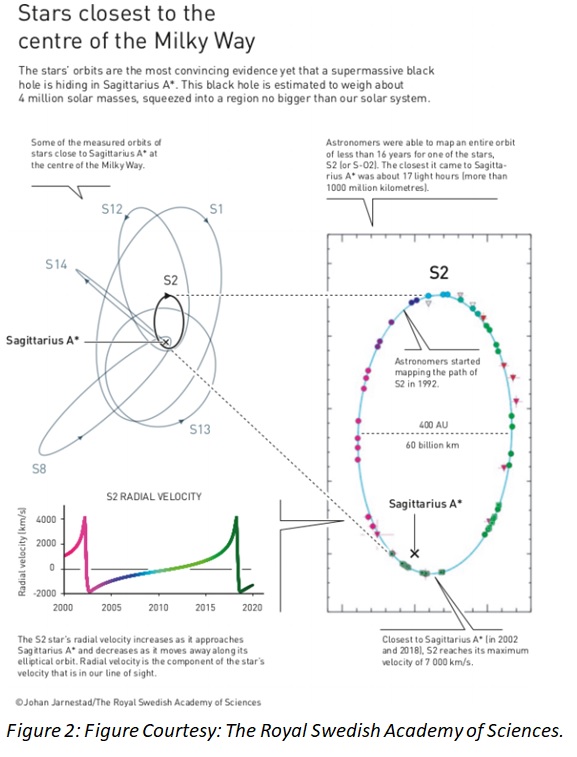
Ever since these theoretical developments [regarded as fundamental results in general relativity], the supermassive black holes became the dominant model to explain quasars being discovered in overwhelming numbers, and at redshifts beyond 2 [now beyond redshifts of 7], as there was enough evidence to suggest that an SMBH lurks at the centers of nearly every galaxy. Observations by the Hubble Space Telescope of a rotating disk in M87 in 1994 showed a massive compact object, as did the galaxy NGC 4258, which was unravelled through radio observations of maser emitting disk. The ubiquity of super-massive black holes [SMBHs] at the centers of galaxies was never in doubt, and particular observational focus was placed on the center of the Milky Way by two rival teams of Astronomers, one led by Andrea Ghez using the Keck telescope [of 10m size] and another by Reinhard Genzel at the European Southern Observatories in Chile with a telescope of similar size [the VLT has a size of 8.2m]. Several stars were tracked and their orbits were produced by both teams after a pursuit spanning nearly three decades [see Figure 2]. The critical results of this effort are the measurement of the black hole mass of four million solar masses, and the fact that the nature of the orbits is in excellent agreement with the predictions of general relativity [including those made at IIA].
In a quest to answer many of these puzzles, the thirty-meter telescope (TMT) project, an international partnership has been set up between CalTech, Universities of California, Canada, Japan, China, and India [through DST and DAE]; it is expected to yield exemplary results through its superior resolving and light gathering capabilities. Tracking fainter stars with accurate astrometry, TMT will test general relativity in unexplored regimes. It will also help build a complete census of black holes in the local Universe, observe tidal disruption of stars, investigate stellar motions in compact stellar clusters around central SMBHs, search deeper into the cosmos, probe active black hole systems and produce demographics in many of its observable properties. In brief, it will be a tremendous fillip to black hole science. This will also supplement the theoretical work being done at IIA. Despite many conceptual breakthroughs and technological advances made thus far, the black hole and its structure remain an enigma. Surprising revelations will shine through these dark objects, and the future portends exciting times ahead.
Prof Arun Mangalam
Professor & Chair of Theory Group
Indian Institute of Astrophysics
The second is generation of knowledge – writing and publishing papers. In this, India is again doing very well and already ranked at fifth position in the world. Here the country is growing at rate of 14 percent in a year and we will reach to third position pretty soon.
The third part is innovation — building products, solving problems, taking things to the market. It is in this that India can improve hugely.
While converting money to research comes very naturally to Indians, we need to work on converting that knowledge back to money. How do we build a structure in our educational system where we not only generate knowledge but we also use the knowledge to solve problems? We need to focus on this in our academic institutions.
Here are some examples of how we did it at IIT, Bombay.
One of the very first problems we took up at IIT Bombay was on developing a cardiac diagnostic system where we wanted a Rs. 100 test for people who are suffering from chest pain. If somebody walks into a clinic complaining of chest pain, can we carry out a simple Rs 100 test and diagnose the reason behind the pain – whether it is because of a problem in the heart or because of gastric issues?
At present a process of ruling out a heart problem is a complex one – we have to go to a hospital and carry out a number of tests. And even then it sometimes does not help us. In order to find a solution, five different departments in IIT Bombay worked together to develop a prototype. It resulted in the development of a platform addressing the problem, several PhD students worked on it and received patents on the test.
The platform which was cemented together while working on this problem also stated doing other problem areas. We started an explosive detector project which has now graduated to a company — Nano sniff which is now launching it.
On this platform, once we put the problem, people from multiple departments work on it. When we are confident about the development, we write a paper leading to generation of knowledge.
But our goal is always to meet a certain price point. One can develop a solution, but if it costs say 5 Lakhs per test, it is not going to work. Price point will be based keeping in mind, where the product will be used. This is how generation of knowledge can get converted into an innovation product that a start up can successfully take to the market.
The product that we develop should cater to the necessities of the target audience. For example, precision agriculture requires different types of sensor systems. Sensor systems are very expensive and they do not meet the social and educational requirement of our farmers.
Many of them will cannot read English, read displays, and operate existing imported sensor systems. They will not know how to calibrate those systems. So we need Indian versions of many of those technologies at much lower cost, keeping in mind, the economic, social and educational background of our farmers.
Developing such a sensor and putting it to use is another successful example by IIT Mumbai. A technology to detect soil moisture and help farming decisions was developed and has now been commercialized by a startup now run by the PhD students who worked on that project. The company called Proximal soils and Technology Pvt. Ltd was started to take forward a technology. Here again we put a problem first, understood the people who are going to use it, customised it for their requirement and deployed their solutions into multiple forms.
Nano-sniff is now developing multiple sensors system which are customized for Indian applications, to reduce agricultural inputs like water, fertilizer, pesticide or agriculture, fertilizers and all that and improve the productivity.
So these are cases where the researchers were able to write lots of papers, produce many PhD students who graduated and found good jobs, write good papers and at the same time, as a team they were able to take those researches beyond the publications and develop a prototype and take prototype to the market through a successful startup. This is a model that academic institutions can emulate.
We should not limit ourselves only to writing papers, thinking that somebody else will use the knowledge and sell it back to us. Instead we can take it beyond publications, build teams which can help us and use a startup as a vehicle, to deliver it to a society. Then our academic institutions will start looking very different and much of the knowledge that we generate will start to help the people immediately.
I think academic institutions need to become creative. If we are not creative, we will not be able to survive in the current context. Unlike minds can be brought together in the institution. When I say unlike minds, we need to have people from different disciplines come together and worked with each other. This ensures that nobody is limited to taking up problems only within their own discipline, but can work with people from multiple disciplines and provide complete solutions. This promotes inter-disciplinary nature of doing research right at the PhD level and leaves no boundaries in that.
At the BTech level one may be limited within the boundaries, but as you go higher and higher these boundaries should vanish. We should put the problem first. It is very important for our academic institutions to bring people with different attitudes, different cultures, different disciplines and unlike minds to work together. It is also crucial that industry and academia work together.
There are at least 90 countries below the GDP levels of India, and solutions we develop in India will also be relevant to them. There are many African countries which can use the same kind of technologies for agricultural practices. So our Institutions need to now admit students from different cultures and countries so that we can understand issues that exist there. In this manner, our students develop a global outlook and can solve global problems.
Professor V Ramgopal Rao,
Director, IIT Delhi
]]>
Creativity was abloom as about 1200 science journalists came together at the picturesque campus of the prestigious Swiss Federal Institute of Technology (EPFL) on the shores of Lake Geneva. It was the 11th edition of the World Conference of Science Journalists.
Perhaps the 50th year of the institution could not have been better celebrated, but the for the excited tribe of scribes, the venue could not be more suited than the institute The time and venue could not have been better suited than EPFL an institution known for its global connections and large-scale research instruments.
Journalists from a huge range of countries deliberated on areas close to their heart like whether science journalism was a luxury or a necessity, how the media landscape was changing over the years, challenges that science journalist’s face in the global south and much more.

Among the journalists participating from 83 countries India had a strong presence with 20 young science communicators participating from India. Sahana Ghosh from Mongabay India, a travel fellow participating in the World Congress of Science Journalists was elated at the opportunity it gave her to learn about and share best practices in journalism. Raihana Maqbool, from Global Press Journal, India made the best out of ‘The Fuse workshop on artificial intelligence’.
The variety in countries, age groups and media were huge as also was the range of enriching discussions.
Josephine Okojie, a journalist working for Business Day newspaper in Nigeria learnt about new methods and tools of science journalism while for Abdul Rahaman Abotaleb from Yemen news News Agency, the trip to CERN organized by the conference was a dream come true.
For Robert Lea a freelancer from UK, the panel which brought together experts on space travel to discuss the future of space exploration, was interesting as it discussed challenges of ways to live and work on the moon and beyond.
The journalists discussed new ways to tell stories like podcasts, augmented reality and comics. There were energetic discussions, interesting plenaries and exciting keynotes on a range of topics, from CRISPR to climate change adaptation and biodiversity, and from corporate manipulation to the challenges faced by journalists in the global south.
The communicators debated on innovative methods of communicating like science through theatre and house of common debate for five stimulating days.
The section on science showcased latest developments in a range of fields from top scientists and journalists. The topics included the latest developments in the world of science like adaption to climate change, mental health, science, global health, biodiversity, deep seabed mining.

The conference discussed science and its relation to society, debated new technologies CRISPR-Cas9, gene-edited plants, animals, and people and meta-analyses and systematic reviews. Interesting sessions gave tips on how to create a podcast, gave a tour of online investigative resources, how to judge statistical results as a non-statistician, ways to build audience and keep them and also to get started with data visualization, ways to enhance story telling through augmented reality. It also featured the first ever global meet-up of LGBTQ science journalists.
The lighter side of science and journalism was brought out through science through comics, meeting with the heroes of Hollywood science movies and also science stories through theatre.
Professionals and students in science journalism and science writing from around the world participated to exchange ideas and skills, to build networks and to foster quality science journalism and collaboration on a global scale. It was five days of transformative exposure for the spirited young reporters who had come to attend the conference. Focusing on ‘reaching new heights in science journalism’ the co-ordinators of the conference, the World federation of Science Journalists chose 60 sessions after looking at Ideas from among 500 different sessions.
The collaborative spirit stood out in the conference in Lausanne as cultures and languages met, ideas were exchanged, and people of all backgrounds discussed, innovated and made plans for the future of science journalism.