Recent Updates

Interesting Ryegrass Burndown this Spring

Orange survey stakes in grassy field, winter season.
Picture 1. Ryegrass controlled with 32 ozs Roundup PM. Early February burndown

This has been an interesting burndown season so far for a couple of reasons. First, the dry weather in late 2025 and early 2026 allowed many acres to be sprayed in January and early February. The number of acres treated during that period is truly impressive. Even better, most of those applications were very successful! Most weeds, including ryegrass, were controlled. Continue reading


Survey on deer damage to row crops, specialty crops, turfgrass, and nurseries

Author:  Comments Off on Survey on deer damage to row crops, specialty crops, turfgrass, and nurseries
deerWe are inviting you to participate in a study conducted by University of Tennessee Institute of Agriculture focused on estimating the economic impact of deer damage to row crops, specialty crops, turfgrass, and nurseries. We tried to make the survey only long enough to collect the data we need to measure the economic impact. We are not asking for any personal information.

The findings of this study will be presented to stakeholders and participants in a report and presentations.

To complete the survey, please click on the survey link: https://utk.co1.qualtrics.com/jfe/form/SV_eIIlnfeGcu7HiRw

Thank you and please feel free to contact me if you have any questions.

Chris

Chris Boyer

Professor & Department Head

Department of Agricultural and Resource Economics


Sclerotinia stem rot on plant stems, circled in red.

White Mold (Sclerotinia Stem Rot) in Tennessee Winter Canola

On January 9th and January 21st, winter canola samples from West Tennessee were confirmed to have white mold (Sclerotinia stem rot). These confirmations are a useful reminder that, as we warm up this spring, it is important to scout fields for this disease, especially leading up to bloom to determine the need for fungicide application.

White mold is caused by Sclerotinia sclerotiorum, a fungal pathogen with a wide host range that can survive for years in soil and crop residue using one of its most identifiable features, sclerotia (hard, black structures on the stem surface – see Image 1). In canola, decisions occur around flowering, where fungal diseases can have the biggest impact on yield.

Continue reading


Phosphorus Fertilizer Management Tips for the Upcoming Growing Season

Author:  Comments Off on Phosphorus Fertilizer Management Tips for the Upcoming Growing Season

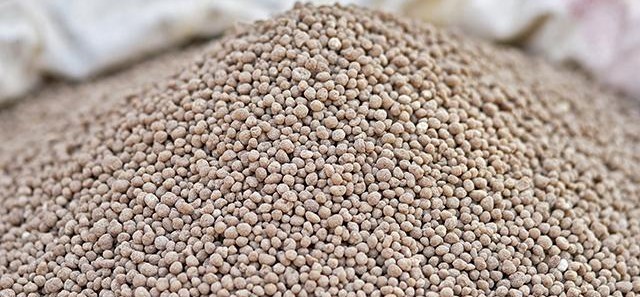
Pile of granular fertilizer for agriculture use.Fertilizer continues to be one of the largest expenses in row crop production, according to University of Tennessee Field Crop Production Budgets. In season with high-than-normal input cost, nitrogen (N) and phosphorus (P) management offer some of the greatest opportunities for reducing expenses if these fertilizers are managed efficiently. As we head into a new growing season, this blog post outlines key considerations for improving P fertilizer efficiency and maximizing return on investment (ROI). Continue reading


Biological Products Survey

Author:  Comments Off on Biological Products Survey
CORN: Outreach and Research Network logo
The Corn Outreach & Extension Network (C.O.R.N.) is a national group of Extension Corn Specialists working collaboratively to implement common protocols throughout the United States. For 2026, we are asking producers and consultants to respond to the below survey indicating which biological products they would like to see evaluated by this group.
Our objective for 2026 is to select approximately 10 products to evaluate at multiple sites and regions across the country. Here is an opportunity to voice an opinion that will impact corn research in Tennessee and throughout the U.S.
QR code for website link access