The post Iqaluit’s One Man Solar Powerhouse appeared first on Root&STEM.
]]>Iqaluit’s One Man Solar Powerhouse
Bert Rose’s interest in solar energy dates back to his childhood, when his brother was given a solar switch for Christmas when the younger Rose was twelve.
“It was a switch that turned on and off by exposure to light… it had two prongs sticking out at the bottom, and it didn’t do anything!”
Bert then tried to take apart the switch while his brother was at school. “That was my introduction to solar panels. I was always kind of aware of them, and what they might or might not do. “Then in 1992, I was the Dean here at [Arctic] College in Iqaluit,” the retired 81-year-old elaborates. The Canadian government established an experimental solar panel program, featuring 33 panels mounted on the front of the building, which produced approximately 3 kilowatts per hour.
A watt is a unit of electricity that is generated and sold to people to power things in their homes through an electricity grid. A single watt produces enough energy to run a traditional flashlight for five hours. Most people are familiar with the classic 60-watt light bulb, named for the amount of power it uses — 60 watts of electricity. A kilowatt is simply a larger unit, equal to 1,000 watts. “We rigged it up so it would run the hall lights in the college,” says Rose. “Between 1993 and 2016, those panels produced electricity, and they saved the college $250,000.”

Solar energy works when photon waves from the sun excite molecules inside a silicon panel, which is protected by an aluminum frame within a glass coating on the front. When those atoms are excited, they release electrons, which flow out and become an electric current.

Solar power is generated as alternating current, which changes direction in cycles — producing what’s called 60-cycle electricity. This means the current reverses its flow sixty times per second. Rose has solar panels “mounted directly on the walls of our home. The horizontal mounting of the panels takes advantage of the 90% reflection of the snow, which we have lots of.”
He says the highest production he’s ever seen on his property in the summer is 500 kilowatts per month, dropping to just 50 or 60 in the winter.
In 2022, Rose produced 4,125 kilowatt-hours of electricity. From 2021 to 2025, his solar energy production totaled 14,175 kilowatt-hours, which he estimates has saved his household $10,631. “The solar energy that’s produced first powers the lights in your house,” Rose explains. “Any extra energy is then transmitted into the community’s electrical system.” Rose is not only generating power for himself, but also helping to sustain the rest of Iqaluit in an environmentally friendly way — earning credits from the power company during the winter months when his panels produce less. “The impact on the environment is really significant, because we’re not burning anything… but the big reduction is that the [power] generating plant isn’t running as hard or burning as much fuel as it otherwise would.”

This article originally appeared in the eleventh issue of Root & STEM, Ampere’s free print and online STEAM resource supporting educators in teaching digital skills
The post Iqaluit’s One Man Solar Powerhouse appeared first on Root&STEM.
]]>The post How One Arctic Hamlet is Harnessing the Sun to Cut Costs and Fuel Change appeared first on Root&STEM.
]]>How One Arctic Hamlet is Harnessing the Sun to Cut Costs and Fuel Change
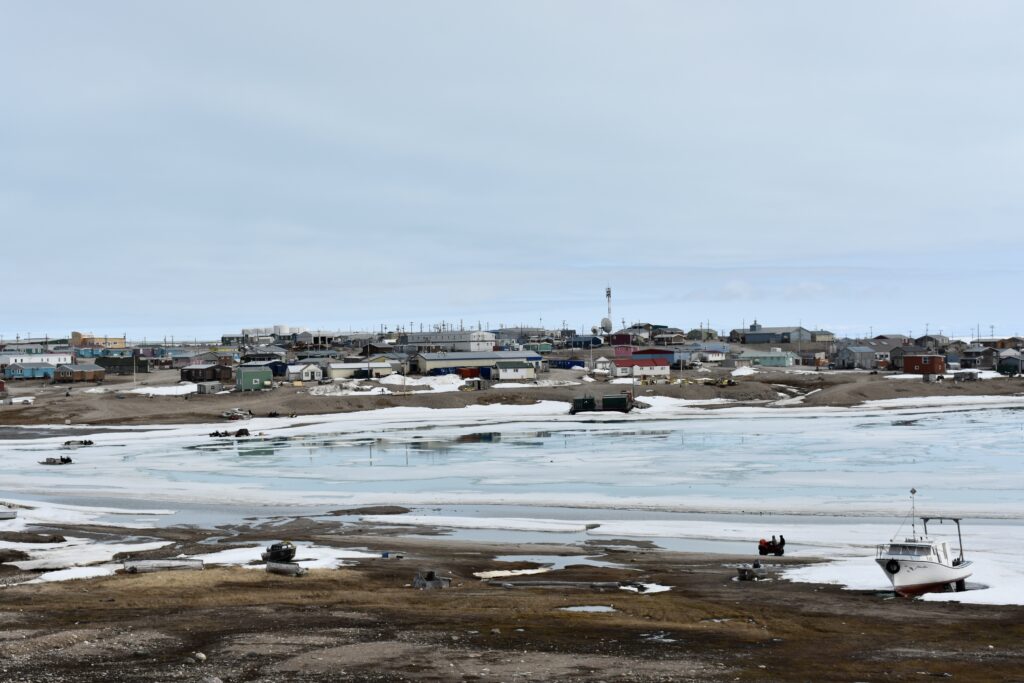
Stepping inside the repurposed sea cans uptown in Gjoa Haven, a hamlet located 250 kilometres north of the Arctic Circle, I was hit with tropical humidity. The first thing I saw at Naurvik — “the growing place” in Inuktitut — an off-grid greenhouse running largely on wind and solar power, was the purple LED lights illuminating stacked racks of basil, strawberries, cherry tomatoes, and rows of greens. During my visit on June 9, I had the chance to taste freshly harvested mint and licorice leaves, mini strawberries, cucumbers, and carrots with the Naurvik staff. Though warned by the team, the hybrid hot peppers I sampled burned my tongue for a full 10 minutes, almost like a reminder that growth here comes with heat, quite literally. Naurvik is run in partnership with the Arctic Research Foundation, Agriculture and AgriFood Canada, the Canadian Space Agency, and local technicians from Gjoa Haven. The facility operates in three repurposed shipping containers, powered primarily by two 6-kW wind turbines and two 7.32-kW solar arrays. Large lithium-ion batteries store energy for when the sun isn’t shining or the wind isn’t blowing. If needed, a 20-kilowatt diesel generator can step in to keep everything running. Even in the depths of winter, the greenhouse generates roughly 75 percent of its power from renewable sources. Crops harvested here are donated back to the community, reaching schools, Elders, and search-and-rescue teams, so that everyone can reap the benefits of renewable energy.
“The taste [of produce] is a big difference from the stores and the food prices are crazy and get higher every few months,” said Betty Kogvik, a grower at Naurvik. “We can’t even have food on the table anymore.” Her team works long hours, maintaining the plants and solar panels, even during winter power outages when the Arctic is cloaked in darkness for nearly 24 hours a day. Located high above the rest of the community, the greenhouse becomes a tricky trek in winter, with the team relying on snowmobiles to travel over snow 20 cm deep to reach it if the diesel backup goes down. Kogvik, who spends her days tending to the crops and managing the greenhouse with her team, says she dreams of scaling up what they’ve started. “I wish we could expand. I’m really hoping we expand in the future. There’s other communities close by that really want something like this for the future. It would be nice,” she said. The Naurvik project was always meant to be replicable in other communities, and ARF is working to make it as efficient as possible. These mobile labs aren’t cheap — they range from about $80,000 for a basic unit that plugs into the grid to around $200,000 for one with wind, solar, and battery capabilities — but ARF doesn’t make a profit and keeps costs as low as possible, so they remain accessible. The innovation at Naurvik reflects a broader push toward renewable energy across Gjoa Haven, a Nunavut community located on King William Island with roughly 1,500 residents.
A Local Champion of Clean Energy

I got to spend a day visiting the residential and municipal solar installations in Gjoa Haven in the back of the hamlet’s “clean energy champion,” Jimmy Arqviq’s truck. Joining us was Nudrat Ihsan, the Innovation and Research Projects Coordinator, who recently started working with Jimmy to bring solar panels to Gjoa Haven. From the hydroponic greenhouse uptown to the arena and a few homes downtown, solar panels now dot the community on many roofs. “The reason I got into this is mainly because the cost of living is so high up here, not because everybody’s talking about global warming,” said Arqviq, who is also the hamlet’s building maintenance foreman. “I wanted to reduce the cost of living and cost of operations in my community.” For Jimmy, the clean energy journey formally began in 2019, when he was accepted into the Indigenous Clean Energy 20/20 Catalysts Program. The six-month program, led by Indigenous energy leaders from across the country, trains participants — known as Catalysts — to design and lead renewable energy projects, like solar, wind, and bioenergy, in their home communities.
“I always knew about renewable energy — we used wind turbines and solar panels at our outpost camps,” he explained. “But my biggest problem was finding funding. That program connected me to government and nonprofit funders, and that’s what helped me bring projects home to Gjoa Haven.” The Hamlet of Gjoa Haven was selected for the Indigenous Off-Diesel Initiative (IODI), which provides up to $1.6 million in funding to support communities in training energy champions, designing renewable projects, and implementing clean energy systems.
In Gjoa Haven, this has translated into solar installations at the arena, homes, and soon municipal buildings, as well as pilot projects like solar-powered community freezers and heat-pump appliances. Arqviq is one of just 16 Nunavummiut graduates from the program, out of 26 communities in the territory. He has since travelled across Canada to learn from other Indigenous communities running renewable systems. “I’m Inuk, and we have our oral history that’s passed on from generation to generation. Global warming is not new for Inuit people,” he said. “My grandparents used to tell me to not be surprised when people start panicking about global warming. They knew the Arctic would warm again.” Still, his focus remains practical. “Up here, we don’t have other resources than heating fuel or gasoline. That’s what we had to adapt to. So for me, it was about the cost of living.” Jimmy’s efforts have already delivered real savings. The Gjoa Haven arena, equipped with a 10-kW solar PV system that was installed in 2019, now offsets roughly $30,000 per year in energy costs. Even before that, simple efficiency upgrades made a difference. “In 2018, I told one of my SAOs I wanted LED lights in the arena. She said, ‘Jimmy, we don’t have $26,000 to install them.’ I kept pushing, and within three to four months, those lights paid for themselves — our power bill dropped from $10,000 a month to $4,000.”

This spring, five residential homes were added to the solar network. Nearly 20 households applied, and a lucky draw determined the recipients. Each rooftop system can generate enough power to offset a big chunk of a family’s electricity bill.
“On a sunny day, the energy goes into the grid, and people build up credits. Some might even have two or three months of electricity covered in credits,” Jimmy explained. “These homeowners can’t afford $75,000 or $100,000 for an individual unit,” he said. “That was part of my goal, to offset people’s cost of living.” The hamlet’s garage is next on the list — a building that costs $9,000 a month in power bills. Arqviq wants to see solar installed there by next year.
Teaching, Testing, and Looking Ahead
Both Arqviq and Ihsan emphasize that success depends on education and community buy-in. “We are involved in community education sessions, showing people how to use energy more efficiently,” Ihsan said. “Because if we all use less, we need less. It’s that simple.” Jimmy has gone further, handing out small-scale solar gear so people can see the benefits for themselves. “Three years ago, I ordered solar generators for cabin owners. We let people apply and explain why they wanted to try it. Instead of burning gas all summer, they could power up their radios, charge batteries, or run a satellite phone with solar.” “I had people come back saying, ‘I didn’t burn as much diesel this year. I even came home with extra gas.’ That’s when they start to understand what renewable energy really means.” This year, he’s ordered electric ice augers and small wind turbines for community use. “We could talk all day about renewable energy, but unless people can use it hands-on, it’s hard to understand.” The community is also embarking on a multi-year feasibility study into wind power with the Kitikmeot Inuit Association.

The wind resource in Gjoa Haven is quite good. It’s one of the top ten communities across Nunavut,” Ihsan said. Jimmy, looking ahead, doesn’t hesitate when asked about his long-term dream: “My dream is that every home in Gjoa Haven will have a solar panel.”
Challenges Connecting to the Grid
For all of the enthusiasm around solar energy, there are structural challenges. “Well, these larger solar systems take a much longer development time, mainly because the only utility in Nunavut has taken a long time in doing the connection impact assessment,” said Klaus Dohring, president of Green Sun Rising, the company behind the Gjoa Haven solar installations and dozens of others across Nunavut. “That’s why the four projects that were originally intended to be distributed over two years ended up being delayed to the point where we had to do all the installations in one summer. That was the sequence of events.” The scale of those projects was significant: an 80-kW system in Clyde River, a 115-kW system in Arctic Bay, a 100-kW system in Grise Fiord, and a 150-kW system in Pond Inlet. Each installation took roughly three weeks. “Grise Fiord is the northernmost civilian community in North America, and the community reception was exceptional,” said Dohring. “When we arrived, they knew that the work we were doing was for the benefit of the community.” The QEC power plant in Grise Fiord is both the smallest and the most expensive to operate, making the cost of every kilowatt-hour significantly higher than in other Nunavut communities. Fortunately, Grise Fiord already had some experience with solar. In 2022, Green Sun Rising installed a 10 kW ‘net metering’ solar panel project, which offsets the amount of power the community purchases from QEC for their main hamlet building. The challenge now is that not all systems are connected. “Clyde River’s system is now in operation, but for Arctic Bay, they still need to provide the grid connection and meter. The same goes for the other two installations. Once QEC completes that work, all the systems will be operational.”
Net Metering and the Case Against Batteries
Because it’s so expensive to bring diesel to these communities, and because it’s so expensive to operate on diesel, a solar [panel] system makes perfect sense in the Canadian Arctic.” That is why Green Sun Rising is moving ahead with a 200-kW solar project in Resolute Bay in June 2026. “With Resolute Bay, we’ll have large solar systems in all five of the northernmost communities,” he said. “Altogether, all seven of Canada’s northernmost communities will now have at least one operating solar system.” Dohring believes this shift is aligned with northern culture. “People have lived for thousands of years under some of the harshest climate conditions and adapted. They recognize the power of Mother Nature, so using her energy to sustain their lifestyle comes naturally. Drying fish with the sun is already part of daily life.” And solar is not only cultural but practical. “With satellite communication and navigation, people are safer out on the land. Solar makes that possible.”

The solar projects may look like panels bolted onto rooftops or arrays wired into diesel grids, but the real story is about community members like Betty Kogvik tending crops in a solar-powered greenhouse in the winter or Jimmy Arqviq championing a lower cost of living for Gjoa Haven. Their work shows that renewable energy in the Arctic isn’t an abstract climate goal; it’s about making food more affordable, keeping the lights on, and giving future generations options beyond diesel.
This article originally appeared in the eleventh issue of Root & STEM, Ampere’s free print and online STEAM resource supporting educators in teaching digital skills
The post How One Arctic Hamlet is Harnessing the Sun to Cut Costs and Fuel Change appeared first on Root&STEM.
]]>The post Reconnecting to Mi’kmaq Culture Using the Power of the Sun appeared first on Root&STEM.
]]>Reconnecting to Mi’kmaq Culture Using the Power of the Sun
In the midst of a climate crisis, Nova Scotia endured one the driest summers in recent years in summer 2025. The last time the province experienced severe drought conditions was in 2023, not that long ago according to Environment Canada. And summer 2025 echoes much of the same, with conditions that are so significant. Currently, if you take a walk into the woods, you could land yourself a fine of over $25,000. These strict measures were implemented in response to the increased risk of wildfires. As drought conditions and restrictions continue to remain in place for most of the province, a small but mighty Mi’kmaw community works towards solutions that reduce their carbon footprint. With the climate rapidly changing, Glooscap First Nation has turned to alternative energy sources and has been actively working on removing its dependency on fossil fuels while learning to harness the power of the sun. This pursuit doesn’t go without embedding ancestral wisdom into their clean energy efforts.
“We’ve been talking about energy for a while. We actually incorporated Glooscap Energy in 2017,” said Michael Peters, CEO of Glooscap Ventures, the economic development group owned by the Mi’kmaw First Nation. “From there, we started getting into small-scale solar projects. We did our first solar project at the Glooscap gas station.” Peters is talking about the Glooscap Landing Solar Array project located in the Hantsport area of Nova Scotia. It’s a 25kw system that was installed in 2018, after conducting large engagements to identify the community’s economic development priorities. Peters said the people requested the economic development venture to prioritize renewable energy, and he says they’re committed to doing just that. “We also did another engagement in 2022, and the same question came up, and renewable energy investment scored number one.” In earlier engagement sessions, highway development and investing in the seafood industry came up first. But ever since the community has witnessed the power of utilizing the sun, their priorities shifted to renewable energy as being most important. “So that’s kind of where we started investing into renewable energy was because it came from the grassroots level and from the ground up. It came from our people,” he proudly stated.
Glooscap First Nation is a small Mi’kmaw community nestled between the towns of Wolfville and Windsor, Nova Scotia. The community has just over 400 band members with approximately 100 living on-reserve in about 41 homes. The small Mi’kmaw community was named after the legendary character in the nation’s creation story whose name was Kluskap, the first person made by our Creator. This seems like a fitting name for a community committed to including cultural teachings in their economic development projects. “It comes down to looking forward to our next seven generations,” said Montana Labradore, Energy Coordinator at Glooscap Ventures. Labradore is also a proud member of the Glooscap First Nation. Like many Indigenous nations, the people of Glooscap also honour the teaching of protecting the next seven generations. It means what you do today should benefit and protect the next seven generations to come, think of your children, grandchildren and so forth. One of the reasons Montana said she gravitated towards the position was that it focused on sustainability and community. “So, I’ve gone door-to-door in the community and chatted about energy and adding solar power to their homes. So far, the feedback from community members has been very positive.” Montana reiterates that the people of Glooscap understand the importance of shifting their dependency from fossil fuels to renewable energy systems. They say it’s because having energy sovereignty from the grid is a return to their traditional ways of being. It means we are living in a respectful relationship with the earth, as she says solar energy is a lot less harmful than fossil fuels.

Labradore and Peters are both long-standing members of Glooscap First Nation and have experienced first-hand the impacts of climate change. Over the last few years, hurricanes have become more frequent and have caused days-long power outages in their hometown. They want to prevent that from happening again. They say the major reliance on fossil fuels is catching up to us and harming our Mother Earth. It’s no wonder that with deadly wildfires blazing across the country and people being barred from access to the natural world, the Mi’kmaq and the people of Glooscap have a concept that we could really use guidance from right about now. According to the Mi’kmaq understanding of natural law, they believe everything has purpose and deserves respect. It is with the concept of Netukulimk (ned-doo-gahlimk) that we must only take what we need while respecting the bionomic integrity of our direct environment. It’s hard to summarize this belief system because its entirety also encompasses our relational responsibilities to all lifeforms, such as the plants, the animals and even the spiritual impacts of engaging and taking from our Mother Earth. To put it vaguely, it focuses on two major virtues: respect and responsibility. This philosophy directly informs projects in regard to renewable ventures by Glooscap First Nation. Actually, it’s more than a philosophy, it’s paramount that it becomes a guiding framework as the climate crisis continues to intensify. “Well, we’ve always been environmental stewards of our land, and I think every project should have this sustainable value of the environment in mind,” said Montana. In fact, Two-Eyed Seeing is also a priority for her community members. She said someone reminded her of this perspective during one of her engagements, and since then, she’s been more mindful of directly applying it to both her work and life.
The Two-Eyed Seeing is an approach also known as Etuaptmumk (Ed-do-wap-domumk). A term coined by the late Murdena Marshall and her husband, Dr. Albert Marshall, both of whom are Mi’kmaw educators. It essentially means looking at everything from two perspectives. In practice, it honours and includes the strengths of Indigenous ways of knowing and Western ways of knowing. Prior to colonization, the Mi’kmaq were resourceful and sustainable people who depended on Mother Earth to provide food, shelter, warmth and everything else under the sun. In Mi’kmaq culture, the sun is considered a powerful being that gives life to everything it shines upon. In the Mi’kmaq language, it is called Nakuset (Nah-goo-set), the one who travels around the earth or the one who travels in a circle. Glooscap First Nation is reentering that sacred relationship with Nakuset. The sun is considered a lifegiver, and learning how to access and use it in a way that is culturally relevant has helped advance their renewable projects with the community’s approval. Glooscap Ventures aligns itself with the wisdom of Two-Eyed Seeing and attributes it to the successful solar array projects it runs. “So, we try to use Two-Eyed Seeing in everything we do here in economic development,” said Michael Peters, “So we’re trying to do our best to protect the environment and Mother Earth. As an example, we have an upcoming venture called the Meadowview Solar Project.” Peter explains his economic development company is partnering with nearby communities to create a seven-megawatt (MW) community solar project in Meadowview, Nova Scotia, that will transform a capped landfill site into a renewable energy site harnessed by the power of the sun.”
Instead of clear-cutting trees and ruining valuable ecosystems already in place, Peters said building on a former landfill site is an innovative and culturally grounded pursuit. “We’re trying to reuse land and give it purpose while trying to protect the nature we already have.” This project is currently in the planning stages still, but, once completed, it will have the power to generate electricity for more than 1000 homes per year.
Aside from larger aspirations, Michael Peters speaks to the well-received solar projects currently operational in his home community of Glooscap First Nation. The first of these is the Glooscap Landing Solar Array at the gas station that currently runs a 25kw system and has the power to energize three average homes. The gas station ground-mount landing currently covers 90 percent of the electricity in the community’s gas station. Saving money on power bills helps the community pour more funding into community programming and assistance, and that’s part of the reason Peters said his leadership has invested in becoming their own energy providers.

The next project is the Glooscap Landing Micro-grid that was built behind the gas station where the first array is. The Glooscap Landing Micro-grid adds an extra 330kw to the area. In the Yarmouth Area of Nova Scotia, the Glooscap community-owned lobster pound currently has a 75kw rooftop system, while the Yarmouth Bar has a 409kw ground mount system. “So, we have quite a few different projects, about six or seven projects we developed over the last few years.” Peters reiterates that these projects were only possible with the support of the community and that it has already begun to pay off. The seafood plant’s electricity bill is offset by about 70 percent. Cutting costs and reducing environmental impacts is smart business, according to the sun-powered CEO. The ongoing success of their current projects has the community owned power venture looking to do more. “We’re hoping that our seven-megawatt community project will be built in the next few years so that people both on and off-reserve, and as long as they’re on the Nova Scotia Power Grid System can actually buy their energy from us at a discount,” said Michael Peters.

“Glooscap’s main goal for solar and energy is making sure we provide affordable energy to our community members,” says Montana Labradore. For Montana, it’s more than just discounted electricity bills; it’s about reducing our carbon footprints. “When I talk to the community about energy, I try to add climate in there as well. Not only do these projects benefit us, but it also helps the earth.” Montana is truly a perfect fit for her role as the community’s energy coordinator. She weaves her passion for protecting the earth both at the desk and sewing machine. During her off-time, the young aspiring fashion designer creates items made from upcycled fabric. She’s been running her zero-waste fashion company, Dora May Designs, since before her time as the energy coordinator. “I’ve always been really into sustainability in everything I do,” says Montana. For Dora May Designs, she creates zero-waste bags by sourcing used products. “I source my products from thrift stores or deadstock. Every design is made with intention, sustainability, and respect for the land we walk on.” Montana’s day job and side job are aligned with one another. “I think that’s why I initially came for this job too, because I wanted to do more, and this was the perfect opportunity because it was in my community.”
With the multiple ongoing projects in both the planning stages and operational stages, Michael has even bigger dreams for his community. “Of course, we are buying energy from ourselves and producing it ourselves, but I think we can go beyond that.” He wants to see his community become an energy provider for other communities as well. “We can become a net exporter of energy and export that to other communities in the area. That’s the long-term vision and goal for sure.”
It’s no secret that Nova Scotia Power currently holds the monopoly on energy in the province, but that’s exactly why Glooscap wants to move towards becoming an energy provider. “It’s hard to move away from them (Nova Scotia Power). We need to see if being our own independent energy providers is possible,” said Montana. She said the community has advocated for that as well because “it would be really nice to rely on ourselves, our own nation,” said Montana. “We all know successful nations out there that own their own energy and produce affordable energy.” Michael Peters says he’s confident in his community and recognizes their leadership and ambition have gotten them this far, and he says they can and will go further. According to Peters, other Nations are already looking to team up with Glooscap First Nation, and he believes this is a good start towards solidifying Mi’kmaw energy sovereignty within Nova Scotia. “We’d love to see and help other communities move towards solar-powered energy.”
This article originally appeared in the eleventh issue of Root & STEM, Ampere’s free print and online STEAM resource supporting educators in teaching digital skills
The post Reconnecting to Mi’kmaq Culture Using the Power of the Sun appeared first on Root&STEM.
]]>The post A Personal Account of the Solar MindSet appeared first on Root&STEM.
]]>A Personal Account of the Solar MindSet
Science is always more fun when you do it yourself. That’s why Ampere has made this, the Solar MindSet. It is a way for you to make your own solar power generator and learn how it works.

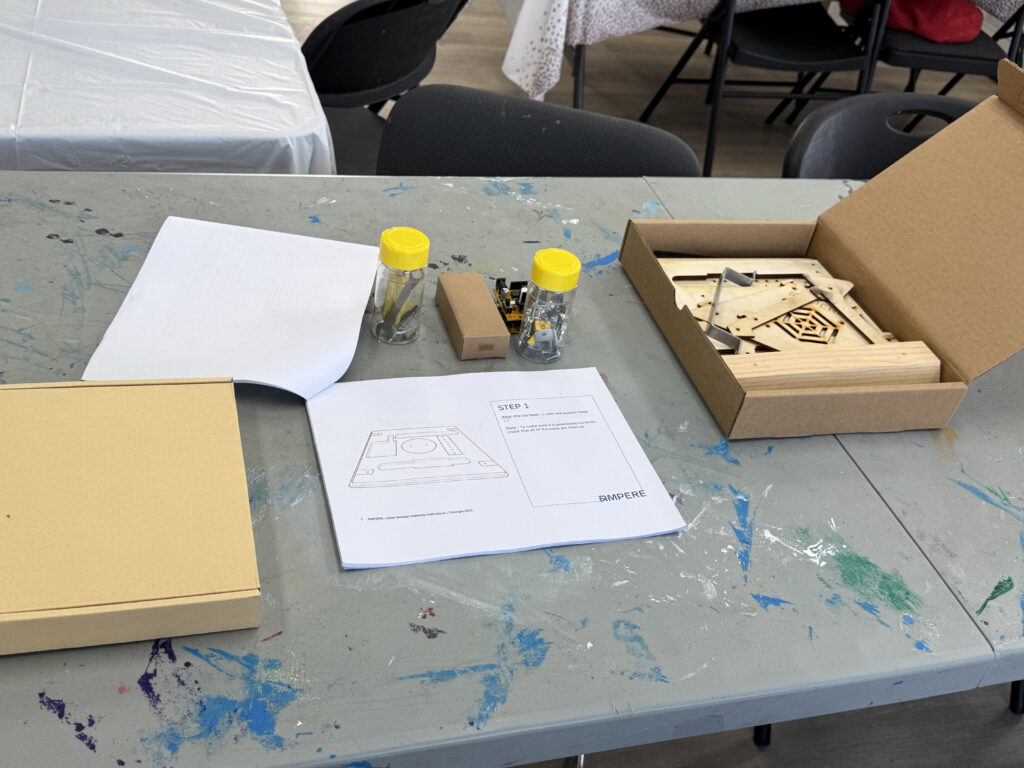
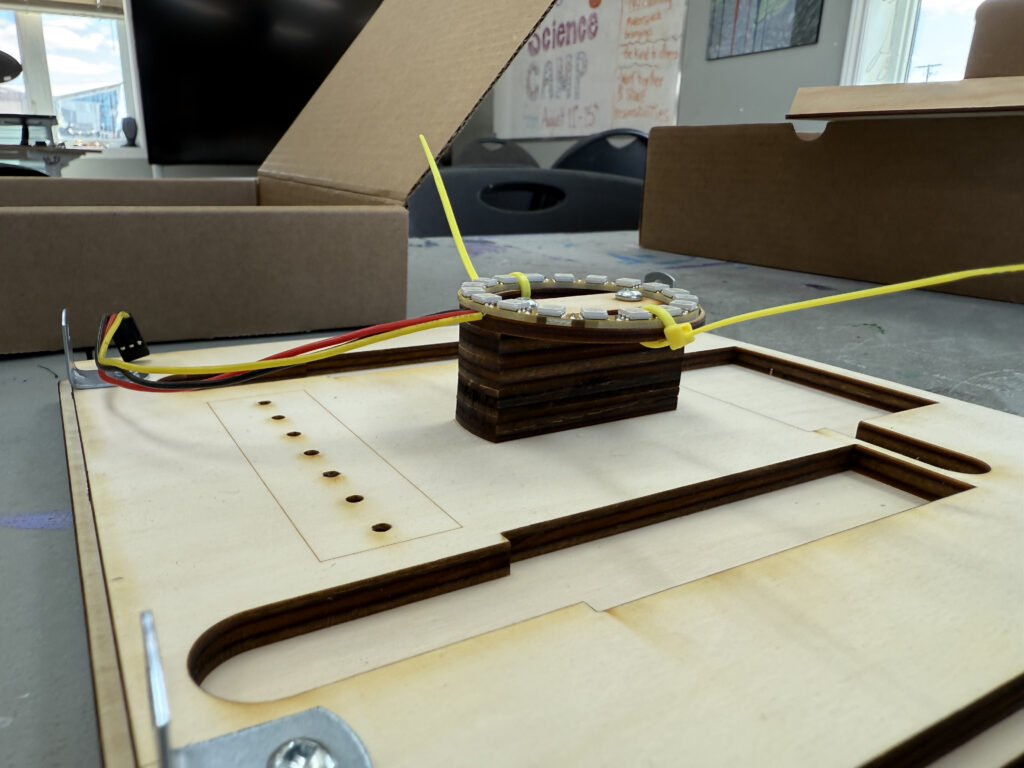


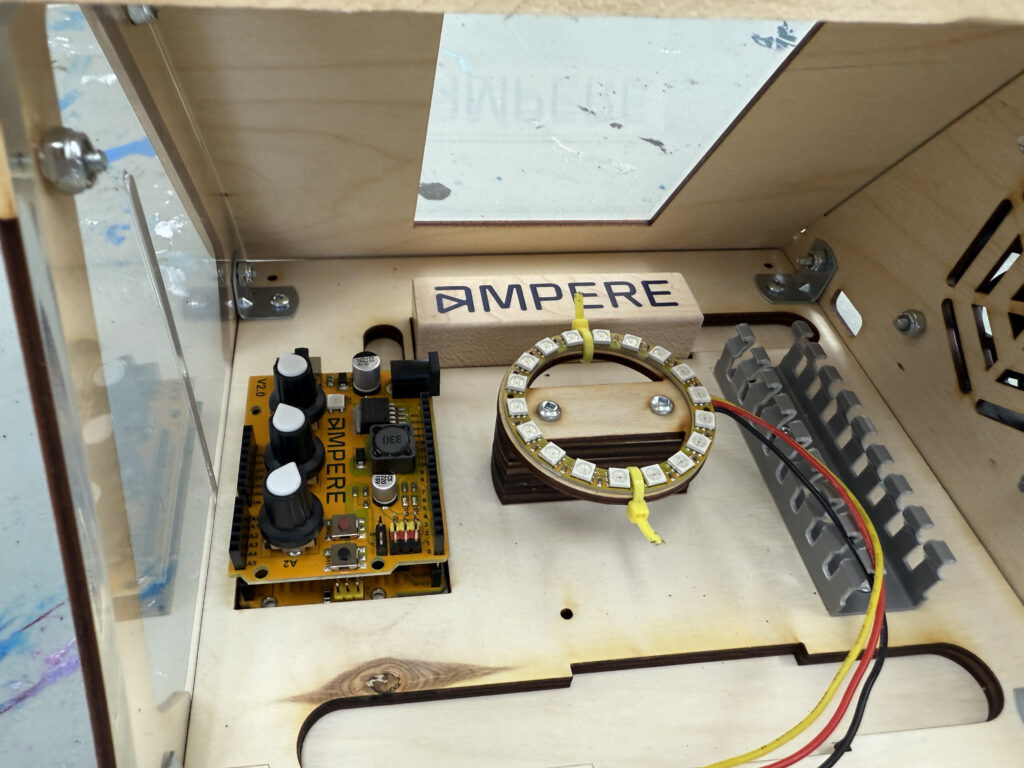
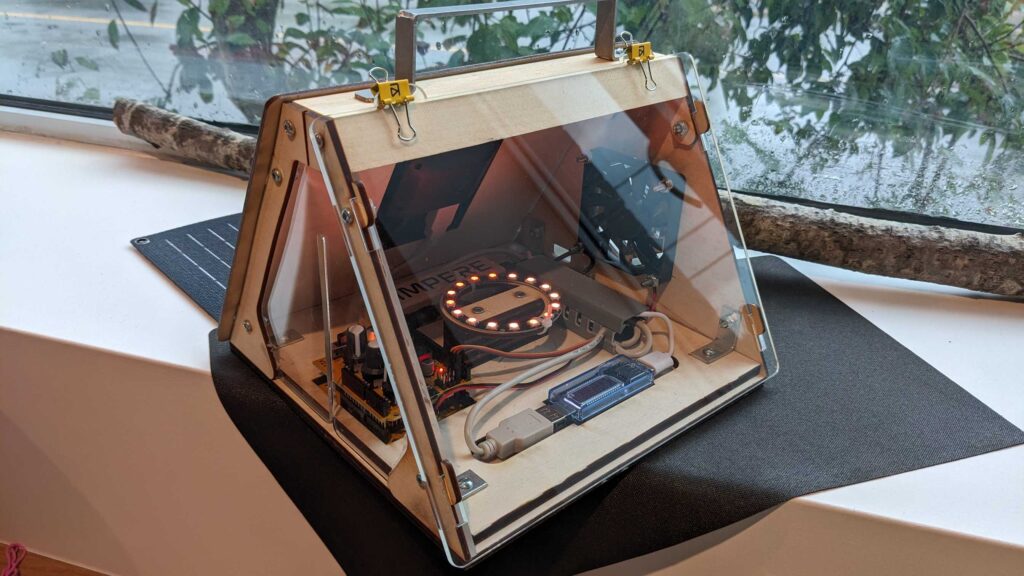
Now we’ve made solar power! The LED lights and fan are fun, but in a pinch, you could charge a mobile phone with this kit in an emergency.
This article originally appeared in the eleventh issue of Root & STEM, Ampere’s free print and online STEAM resource supporting educators in teaching digital skills
The post A Personal Account of the Solar MindSet appeared first on Root&STEM.
]]>The post Message to Educators appeared first on Root&STEM.
]]>Message to Educators
This issue of Root & STEM aims to introduce students to the world of renewable energy, with a focus on harnessing the power of the sun and generating solar energy. Renewable energy is not just a buzzword or the latest trend; it is a pathway for students to be more sustainable, equitable, and to create opportunities for the future. We live in a world of rapid growth and increasing energy demands, especially with AI taking over many aspects of our lives. The world is shifting towards sustainable, clean, and green energy resources to fulfill its energy needs while keeping the environment safe and stable. Learning about renewable energy invites the students to explore the concept at the intersection of science, technology, and innovation through a lens of real-world impact. It encourages the students to think critically, analyze the energy needs, and act responsibly. It helps students to make real-life connections that go beyond the classroom and permeate the broader communities.
The lesson plans in this issue are centred around solar energy and shed light on the future of solar energy in Canada. Learners will learn about the types of renewable energy, explore solar energy through Ampere’s Solar MindSet, understand how the sun’s energy is converted into electricity, and how solar energy has been embraced by many Indigenous communities across the country. Lastly, learners will gain an appreciation for renewable energy and investigate how to use it to its true potential. As teachers, we are not just teaching curriculum; we are inspiring the younger generation to make responsible energy choices and ensuring a sustainable future for the generations to come.
This article originally appeared in the eleventh issue of Root & STEM, Ampere’s free print and online STEAM resource supporting educators in teaching digital skills
The post Message to Educators appeared first on Root&STEM.
]]>The post Unlocking the power of inclusion in gaming appeared first on Root&STEM.
]]>- The award-winning game Osmos has released a new update and with it new strings of Inuktitut, translated by Pinnguaq.
- Representation in games, including having the game available in various languages, opens doors and opportunities for a stronger, more diverse industry and gaming community.
- Developers looking to localize their games can connect with Pinnguaq.
Pinnguaq has always been about play – our desire to make the gaming and tech industry more accessible has never faltered. Our challenge to the sector? Make products that are accessible to rural, remote and Indigenous communities. Hemisphere Games did just that with Osmos (and a little help from Pinnguaq).
“When you see people who look like you, speak your language, and come from your community in the industry – it immediately becomes an option,” says Ryan Oliver, CEO of Pinnguaq.
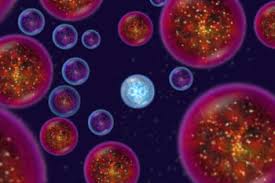
“The games industry in Canada is massive, one of the largest in the world. We make games for every country and in partnership with companies around the globe, including many of the largest franchises on the planet. It is vital that as it grows that (in this case) Inuktitut speakers see and hear themselves in that industry. It will open doors and provide opportunities for a better, stronger and more diverse games industry and the games we all get to experience.”
Osmos won the Game of the Year award in 2010. Not long after, Oliver connected with Hemisphere Games, after he noticed an element named “Atanarjuat” in the game, a nod to a Canadian film based on an Inuit legend. Oliver reached out to Eddy Boxerman of Hemisphere Games with an idea about how amazing it would be to have such a high quality game translated into Inuktitut for people to play in their own language.
Boxerman was quickly on board and when Osmos 2.3 was released in 2013, it included an Inuktitut version. It was Pinnguaq’s first project and one that aligned beautifully with the organization’s initial slogan, “Play in Your Language.”
Over the years, Boxerman says he’s reached out to OIiver for a few updates, “basically every time we added new text to the game.”
A recent update – adding gamepad support for those wishing to play through Apple’s new headset, the Vision Pro – also includes new strings of Inuktitut, translated through Pinnguaq Studio, our social enterprise. The studio offers best-in-class design and localization services to game developers, maintaining our commitment to ensuring everyone can play in their language.
“Before I emailed Ryan to ask if he’d be up for getting some new strings translated for an Osmos update, I had a look at the Pinnguaq website. It had been almost five years, and I was blown away at just how much it had evolved! There is just so much happening there now – clearly the result of a thriving community and business! It warmed my heart to see, especially knowing how it all started,” says Boxerman. “Needless to say, I’m happy Ryan was able to work with the team to get the latest strings translated so we can continue to have a thoughtful and complete translation of Osmos in Inuktitut.”
By creating games in multiple languages – including Inuktitut, English, French, Spanish, Portuguese, Italian, German, Russian, Japanese, Chinese and Korean, in the case of Osmos – developers can help foster a sense of belonging within the gaming community and promote diversity as a core value. It also allows for market expansion as the localized content is more likely to resonate with different audiences who now feel seen and represented, like they belong, in the game. Feeling like they belong in the gaming world may inspire people from equity-deserving communities to pursue careers in the industry, something Pinnguaq has long been advocating for and supporting through various digital skill-building programs.
“We are constantly fundraising for unique localization projects to minimize costs on developers,” says Oliver, noting anyone interested in expanding their market through an Inuktitut localization is invited to reach out to Pinnguaq through our Contact page.
For more information about Osmos, visit the website or find the forum for you at Hemisphere Games.
The post Unlocking the power of inclusion in gaming appeared first on Root&STEM.
]]>The post Exploring Inuit Principles of Conservation appeared first on Root&STEM.
]]>Tagalik, the writer behind Inuit Qaujimajatuqangit: What Inuit Have Always Known to Be True, prepared a series of modules for readers of the magazine, helping them to understand the Inuit expectations for living a good life.
“As we developed this issue of Root & STEM we were surrounded by ways technology is being used to combat climate change. At the heart of this crisis we couldn’t help but recognize that the types of stewards humans can be to our world will greatly influence our use of technology,” says Jennie Cross, Director of Education for Pinnguaq.
“Exploring Inuit values provides an opportunity for students to explore values most important to them and understand how these values impact their behaviour.”
In her introduction in the magazine, Tagalik wrote: “Inuit Elders say that although the context we live in is always dynamic, our beliefs never need to change, and this is why it is so important to clarify values for youth. Inuit also say their teachings are helpful to anyone, and are not just for Inuit. With this in mind, we hope you will explore these Inuit understandings of how to live well in a dynamic world and that, in doing so, they will help you and your students set personal goals as agents of change in effectively meeting life’s challenges in order to live a good life.”
For more information about the four modules created and shared by Tagalik, please view Root & STEM online. Limited printed copies may be available upon request by emailing [email protected].

Inuit Values
In her first module, aimed at students in Grades 1 through 3, Tagalik explores the values Inuit hold and how they help to determine the way they live their lives.
She writes that it is important to examine not only the understanding of the values, but also the underpinning beliefs.
“Students will learn that the values we hold help to determine the way we live our lives. Therefore, it is important to examine our understanding of our values, as well as the beliefs that underpin them. Our values are usually set and reinforced by the teachings of our parents. To Inuit this is known as inutsiaqpagutit. These teachings provide lifelong expectations for our behaviour,” says Tagalik.
The Inuit Values module teaches students that a value is a belief. Students examine the values most important to them and understand how these values impact their behaviour.
Serving Others
The second module, Serving Others, provides insight into pijitsirniq (serving others, working for the common good) and how this is linked to becoming a respectful steward through avattimik kamatsiarniq (stewardship).
“Inuit are known as a resilient people who live in harmony in a harsh environment through innovation and resourcefulness. Students will understand how living according to these cultural principles has helped Inuit to succeed over generations, as well as to protect the environment they depend on for successful living,” writes Tagalik.
In the Serving Others module, Grades 4 to 6 students gain familiarity with the Inuit described concepts of avattimik kamattiarniq (respectful stewardship), pijitsirniq (serving) and qanurtururangniq (being resourceful and innovative). Furthermore, they will gain insight into the cornerstones of being respectful and taking responsibility in terms of serving a shared purpose and the common good.
Becoming Capable
Through the third module, Becoming Capable, students in Grade 7 to 9 learn to describe the processes of inunnguiniq (becoming a capable human being) and pilimmaksarniq (skills acquisition). They’ll learn how these processes contribute to forming a capable human being and will be able to link these to the perspectives of environmental stewardship among Inuit.
“Inunnguiniq is the process used to train everyone to become capable members of the community. Being capable required that each person was a contributing member of society with a strong sense of both belonging to and responsibility for the collective,” writes Tagalik.
“The process of training a community member to become capable relied on the aspects of having the correct sense of group belonging, and on mastering skills in order to assist the collective.”
In this module, participants are asked how inunnguiniq differs from Western styles of education, how the expectations for becoming successful differ between Inuit and Western society, and how these differences impact one’s view on their place in the environment.
Inuit Leadership
The final module in Tagalik’s lesson plan is entitled Inuit Leadership and is directed towards students in Grade 10 through 12.
“The Inuit perspective on leadership is different from the Western one in that it is more about stewardship and taking responsibility than about influence, power or governance. Leadership qualities are identified in children and are nurtured throughout the life of the individual. A leader is considered someone who is willing to do the most unsavoury of tasks in order to serve other people,” writes Tagalik.
“Inuit leadership is characterized by willingness to serve the common good without the expectation of recognition or reward. It does not require specific expertise or knowledge; it is rather an attitude of the heart.”
Through this module, participants will be able to describe the expectations expressed in the Inuit worldview around stewardship, environmental responsibility and a respectful relationship with nature. They will understand how Inuit apply the principle of qanurtururangniq (resourcefulness) to prepare individuals for this critical role in life.
By the end of the module, students will be prepared to identify the characteristics of leadership and stewardship in the Inuit worldview and explain how these are taught and applied as cultural expectations. Furthermore, participants will be able to summarize the impact on the environment when these principles are not applied.
Learn more about Root & STEM
The modules referenced above were included as Educator Resources in the first issue of Root & STEM, Pinnguaq’s magazine. In addition to print versions, which can be requested by emailing [email protected], the magazine is available on the Pinnguaq website, through Magzter and as a PDF.
Those interested are also invited to subscribe to Pinnguaq’s Education E-Newsletter, to receive materials, resources and inspiring stories of STEAM in the real world, delivered right to their inbox.
The post Exploring Inuit Principles of Conservation appeared first on Root&STEM.
]]>The post Environmental Steward Kits: Learning on the Land appeared first on Root&STEM.
]]>Through these kits, participants learn about the Innunguiniq principles (how to become a capable human being) and about their responsibilities as environmental stewards.
“The activities in the Environmental Steward kits incorporate elements of Inuit Qaujimajatuqangit (traditional Inuit knowledge) principles and tech with the goal of learning how to employ them in our everyday lives. Through the kits, participants explore their roles in the community by learning new digital skills,” says Marie-Lee Singoorie-Trempe, a Digital Steward with Pinnguaq.
Mary McDonald, Manager of Travel Delivery for Pinnguaq, hopes the kits help participants build connections between the land and technology, and with the Inuit Qaujimajatuqangit principles in a very direct way.
“We hope that this kit offers STEAM education in a way that is culturally relevant and representational to communities in Nunavut,” she adds.

Pilot
The initial delivery of these kits was to Iqaluit as part of the CREation grant. Since then, the materials and guidebooks have been sent to a school in Grise Fiord, Nunavut, with other groups across Canada already expressing interest in participating.
“We’re very excited to have students, families and teachers piloting these kits and we are really looking forward to their feedback and on how to make the opportunity even more engaging and impactful,” says McDonald.
“It’s wonderful to hear stories on how the students have worked together with family members to do these fun, environmentally significant activities that bring technology into their everyday world. We hope that the kit activities spark ideas for more ways to use technology in innovative ways to look at the climate change challenges facing us today.”
Avattimik kamatsiarniq
One of the guiding principles of Inuit Qaujimajatuqangit is Avattimik kamatsiarniq, meaning to respect and care for the environment, land and animals. These principles provide a framework to help participants situate themselves and respectfully navigate within their environment.
“Avattimik kamatsiarniq requires we pay careful attention to the environment as an important part of survival and sustainability. The care and importance we place on this also impacts on our personal health and well-being. For all of these reasons, it is important to think about the environment we grow up in and how we become good caretakers and good contributors to a healthy and positive environment,” writes Shirley Tagalik, on Inuit Principles of Conservation.
The Environmental Steward kit includes the Micro:bit, a tiny computer that provides a hands-on approach to coding and the Enviro:bit extension adds different sensors that can measure and display air pressure and temperature. Using these tools, participants will develop qanuqtururangniq, the ability to think deeply and use knowledge learned from observation. The activities encourage learners to use this skill by taking measurements of what they observe in their local environment.
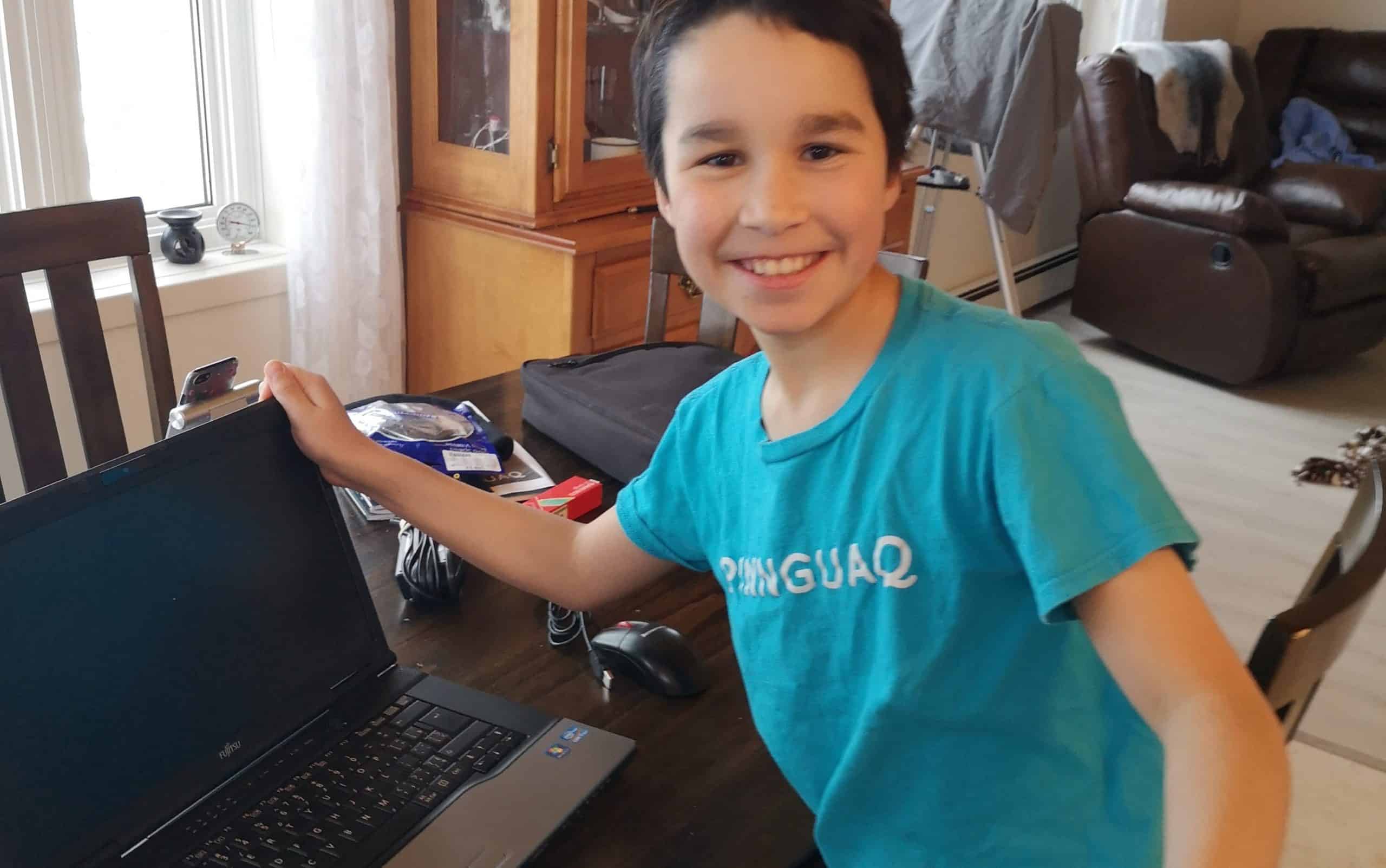
Kit Contents
Participants in the Environmental Steward kit pilot received:
- Root & STEM, Issue 1
- a printed copy of the Getting Started Guide
- a refurbished laptop
- a USB drive loaded with files and resources
- a Micro:bit bundle, and
- an Enviro:bit
The refurbished computers came preloaded with:
- Microbit offline MakeCode Editor
- Resource kit from the publication
- Resource kits from Inuit values activity
- Resource kits from Inuit principles, serving others activity
- Various programs:
- Scratch
- Twine 2
- Audacity
- Magica Voxel
- Graphics Gale
- Krita
- Inkscape
- Autodesk Sketchbook
- Blender
Micro:bit Technology
The Micro:bit and Enviro:bit technology help learners become Environmental Stewards and follow the Inuit principles of qanuqtururangniq and avattimik kamatsiarniq. The Micro:bit and the Enviro:bit have incredible sensors that will give the user information about their environment.
The Micro:bit is a pocket-sized computer. Learners can program this mini computer with their computer and the MakeCode editor. They can use the online editor, or the offline editor that is installed onto their computer and loaded onto the USB. Or, participants can install the offline editor that is on the USB stick that comes in the kit onto any computer.
A guidebook included in the kit helps participants learn how to code and use their Micro:bit.

Activities
The kits include a number of resources for the learners, as well as fun, educational and engaging activities to try.
The Micro:bit Dice and Race for Change Game explores issues surrounding climate change. In this game, participants learn about the climate crisis and how they can help prevent it.
Through the Spot the species counter activity, learners consider the wildlife in their local habitat. They can observe what species live in their environment and create a counter to track them. Participants are encouraged to think about the local ecosystems, including what habitats exist in our environment.
“What changes are happening? Global warming and climate change is happening quickly, and it’s affecting the environment. This affects how long we can access the sea ice for travel, hunting, and fishing. Humans are not the only beings affected by climate change. Plants and animals are also affected, and it’s crucial to observe their patterns so we can predict how they will react to these changes,” reads the Getting Started Guide for the program.
“Our job as environmental stewards is to note the changes that are happening to the plants and animals in our environment and take action to protect them. As Inuit say: ‘our actions come back to us.’”
Other activities incorporate the use of the Micro:bit’s compass sensor as well as the Enviro:bit’s ability to take temperature readings.
For those looking for a non-computer activity, the kit also includes Bytesized, a comic created by Ian MacLean. This comic can also be found on pages 28 and 29 of Root & STEM, Issue 1.
Participant Feedback
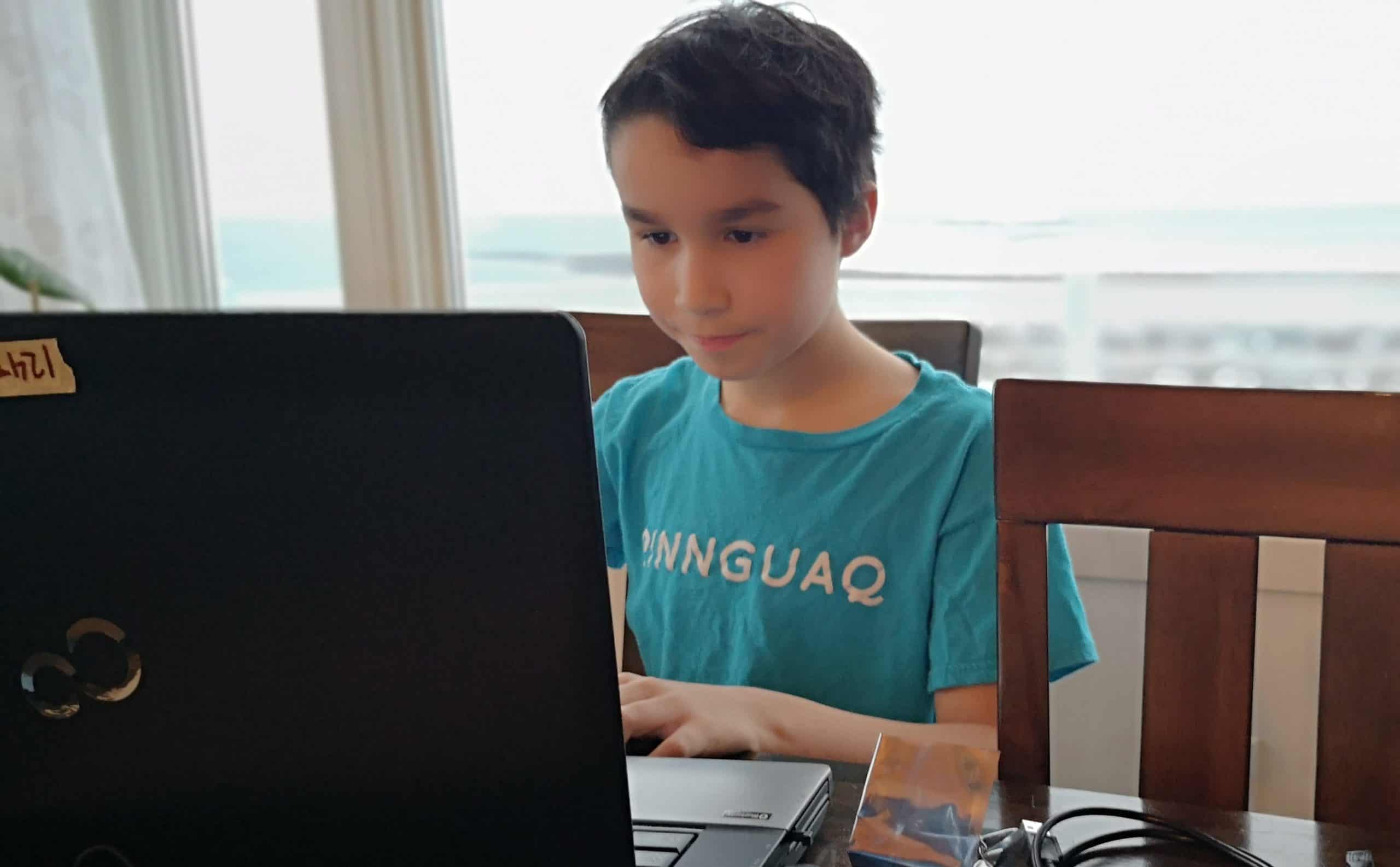
Feedback from participants in the program has been overwhelmingly positive thus far, with young learners and their parents expressing gratitude for the opportunity.
One parent wrote: “Brogan loves everything about the kit and has been enjoying it since we figured it out. The one he liked most was the counting code and mentioned maybe he can use it to count ptarmigan, but not if it’s – 25 or colder.”
Another parent said the only struggle was keeping the learner’s dad away, as he was enjoying using the Micro:bit as much as the learner.
“Thanks for checking in! Breton is doing really well with the [Environmental Steward] kit. He’s really only starting out on it, but he and his dad LOVE it (our biggest issue is keeping him away from it and letting Breton do it, ha)…He has been extremely engaged with the kit when he’s worked on it and he says he doesn’t need any help,” wrote the parent.
Community Impact
The Environmental Stewards kit pilot project was particularly timely as Nunavut entered into lockdown in response to COVID-19 at the same time we were poised to deliver the makerkits. This was the first time the schools were closed in Nunavut due to the pandemic and many students would not have access to computers, internet or technology to stay connected. The Makerkit gave them educational content, activities and access to technology through the lockdown.
Through the pilot, Pinnguaq reached a number of young learners ranging in age from eight to 11, from a mix of backgrounds, although the majority of the students were Inuit. Participants in the program had attended an in-person makerspace camp the previous February.
“This program was extremely valuable for the kids who were able to join. We would love to be able to do more of this work,” says McDonald.
The post Environmental Steward Kits: Learning on the Land appeared first on Root&STEM.
]]>The post Take Me Outside, Let’s Learn on the Land appeared first on Root&STEM.
]]>It’s one thing to read about the changing of the seasons, it’s quite another to feel the crisp air, see the frost and smell the fallen leaves. As informative as books and screens can be, nothing beats learning about the science of the natural world immersed in the natural world.
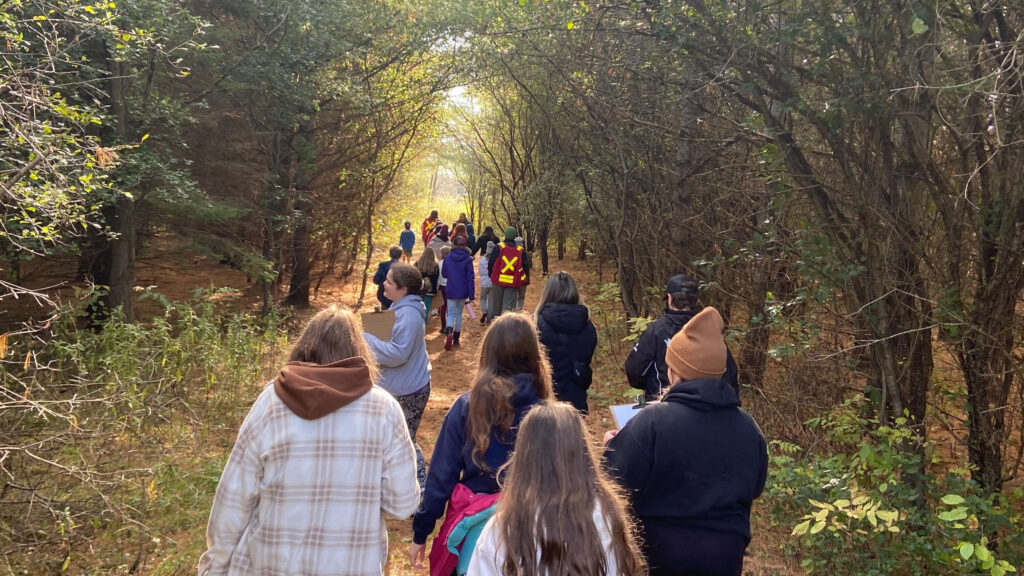
“Meaningful learning experiences are not limited to the classroom,” says Caitie Blumsom, STEAM Educator at Pinnguaq, reflecting on the success of the organization’s participation in Take Me Outside Day 2023.
Take Me Outside Day is facilitated by Take Me Outside (TMO), a non-profit, charitable organization focused on strengthening connections to nature and bringing learning to life by taking it outdoors.
TMO works with other organizations, school boards and individuals to encourage children and youth to spend more time outside through various projects and initiatives, including Take Me Outside Day (October 18 in 2023).
This year, Pinnguaq partnered with TMO and Alexandra Public School to take 23 learners to Ken Reid Conservation area for some engaging land-based, STEAM-focused learning. As education is a key component of the Pinnguaq Lifecycle, the organization’s unique approach to providing support and opportunities at all stages of life, embracing a new environment for STEAM education was a natural (get it?) fit.
“You can engage learners with every element of STEAM by bringing them outside,” says Blumsom, an Ontario certified teacher. “It’s all there.”
So, what did Pinnguaq’s TMO Day programming look like?
In-class coding
First, we visited our learners at school to code BBC micro:bits. These versatile, pocket-sized gadgets are used in a lot of Pinnguaq’s programming and be programmed to do a host of things from rock, paper, scissors to acting as a step-counter and more. In this case, students programmed the micro:bits to be compasses that would be used when the group explored Ken Reid later in the week.

Outdoor learning
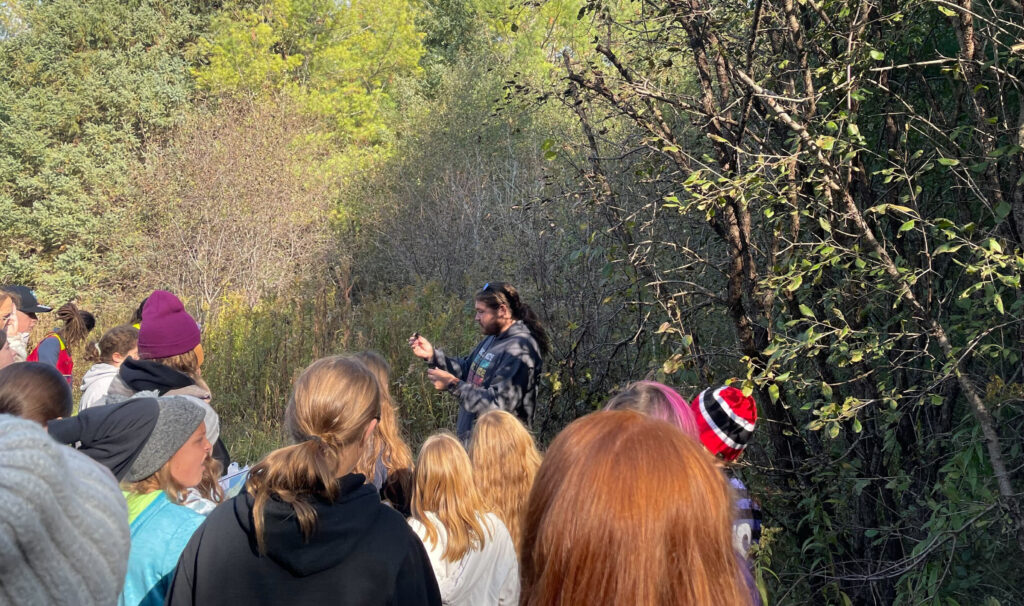
Once at Ken Reid, the group participated in a plant walk led by Matt Levac, a local plant Knowledge Holder, a term used in many Indigenous communities referring to someone who has been taught by an Elder or senior Knowledge Holder within their community. This person holds traditional knowledge and teachings, and have been taught how to care for these teachings.
Levac shared his knowledge as he introduced learners and Pinnguaq team members to various plant species along the walk.
The learners went on a scavenger hunt for colours, connecting them with the changing seasons and the impact that has on the leaves. This activity helped establish a sense of place in learning and connected the participants to the land a little more, as did the activity where students were asked about which direction they felt was north, without using a compass.
Connecting Technology and Nature
Working with partners, learners used their micro:bit compasses, programmed earlier in the week, a piece of paper and a pencil to find numbered tokens in a large field and map their route.
The day also included a game of Predator Versus Prey, teaching about the food chain in a fun, exciting way.
Looking Ahead
Blumsom says incorporating outdoor learning into education practices is an excellent way to help learners understand the land and feel safe there, letting educators bridge the gap between initial discomfort and successful land-based learning, creating a sense of place.
Pinnguaq’s participation in TMO Day was a pilot this year, but a hugely successful one, and we’re already planning for 2024.
Taking STEAM out of the classroom
The post Take Me Outside, Let’s Learn on the Land appeared first on Root&STEM.
]]>The post ODR Hockey Heroes: game development beyond the city limits appeared first on Root&STEM.
]]>ODR Hockey Heroes: game development beyond the city limits
The post ODR Hockey Heroes: game development beyond the city limits appeared first on Root&STEM.
]]>