The beginning of March 2026 has witnessed a significant turning point in global cybersecurity as geopolitical confrontations between countries escalate rapidly into the cyber domain. Following military actions by the United States, Israel, and Iran, a series of cyberattacks has been launched on Iranian cyber infrastructure. As per this Reuters report on cyberattacks on Iranian cyber platforms, disruptions were seen on government websites and mobile applications, reflecting how contemporary wars are not limited to physical battlefields but are increasingly being fought in cyber space as a primary weapon, thereby escalating cybersecurity risks on an unprecedented scale.

Coordinated Hacktivism and Digital Disruption
The situation soon escalated as various hacktivist groups coordinated simultaneous operations across the virtual landscape. As this in-depth analysis by CloudSEK on the Middle East Cyber Escalation highlights, over 60 threat actors participated in activities like Distributed Denial-of-Service (DDoS) attacks, website defacements, and data breaches. This kind of coordination points towards the alarming change in the nature of cyberattacks, which are no longer isolated events but part of the larger digital campaigns. From the business perspective, this increases the risks of cyberattacks as even apolitical organizations are likely to get caught in the crossfire. The emergence of such decentralized and ideologically driven actors makes the importance of vulnerability management and proactive cybersecurity services more than ever necessary.

The Rise of Sophisticated Threat Actors
Outside of hacktivism, the attacks also highlighted the level of sophistication that threat actors are employing in their operations. Nation-state actors are using sophisticated techniques such as phishing attacks, malware distribution, and surveillance to disrupt systems and conduct intelligence gathering operations. The techniques are not only aimed at disrupting systems but also at creating long-term instabilities within the systems. From the enterprise perspective, the attacks highlighted the need to have robust data protection strategies in place to avoid the risks of silent attacks that could compromise the integrity of the data over time.

Business Impact: Why No Organization Is Immune
However, one of the most alarming aspects of this cyber war is that it is affecting all businesses on a large scale. The cyber attacks on the national infrastructure are not limited to affecting other business entities as well. The recent cyber attacks on the national infrastructure have shown that all businesses, whether operating in the zones of cyber attacks or not, are at risk because of global connectivity. The changing cyber threat scenario has underlined one thing: cybersecurity is not just a computer issue but a business issue.

Strengthening Enterprise Security in a High-Risk Environment
In order to effectively operate within this ever-changing environment, organizations are encouraged to consider a proactive and multifaceted approach to cybersecurity. This includes regular vulnerability assessments, penetration tests to identify existing vulnerabilities, and real-time monitoring of the system to identify existing threats before they are escalated. Furthermore, the development of effective response mechanisms and frameworks to manage risks also plays an essential role in ensuring that businesses are able to respond to existing threats in the best way possible. As the nature of cyber threats continues to change, organizations that consider the importance of cybersecurity services are likely to benefit in the future.

How Sprit Network Helps You Stay Ahead of Cyber Threats
In a world that is increasingly vulnerable to cyber wars that can bring entire industries to a halt overnight, partnering with a reliable cybersecurity company is not a choice but a necessity. Sprit Network is enabling organizations to effectively counter the latest wave of cybersecurity attacks with a range of services that include vulnerability assessments, penetration testing, advanced security monitoring, as well as strategic risk management. By detecting potential weaknesses before hackers do, Sprit Network is ensuring that organizations are able to protect their critical business assets with reliable enterprise security solutions.
In today’s dynamic IT landscape, cybersecurity threats are growing at an unprecedented rate, compelling businesses around the world to rethink their security strategy for enterprise systems, digital assets, and communication systems. In 2026, the emergence of new cybersecurity threats in the form of newly found vulnerabilities in SAP enterprise systems and a massive cyber attack on messaging services like Signal and WhatsApp are issues that have caught the attention of the global IT community. These are a testament to the fact that cybercriminals and state-sponsored attackers are always looking for new ways to capitalize on technology and human psychology.

Russian-Backed Hackers Target Messaging Platforms
A recent cyber intelligence warning identified a global hacking campaign by Russian cyber attackers on Signal and WhatsApp accounts belonging to government officials, military personnel, and journalists worldwide. The attackers used advanced phishing techniques to obtain users’ security verification codes and PINs, thereby gaining access to users’ accounts and private conversations or group chats.
In spite of these messaging applications having end-to-end encryption, cyber attackers managed to bypass this security feature by using a social engineering attack on users. Intelligence agencies identified this approach as a potential tool for accessing highly classified communications or information.
The above scenario emphasizes a key aspect in cyber security: no matter how advanced a security feature is, it can be breached by exploiting human weaknesses. In this regard, as messaging applications remain a key tool in business communication, it is essential for businesses to introduce cyber security awareness programs for their employees.
Read the full news report here:
https://www.reuters.com/world/europe/russia-backed-hackers-breach-signal-whatsapp-accounts-officials-journalists-2026-03-09/

Critical SAP Vulnerabilities Expose Enterprise Systems
However, at the same time, cybersecurity experts have identified several security vulnerabilities in the systems of the German-based company SAP. The company’s systems are commonly used by global organizations for managing various aspects of the enterprise, including finance, operations, supply chain management, and customer information. The security vulnerabilities identified in the systems include SQL injection vulnerabilities, server-side request forgery, bypass of authorization restrictions, and denial-of-service attacks in the company’s systems such as NetWeaver, S/4HANA, and SAP Business applications.
If the security vulnerabilities are exploited by hackers, they can gain access to critical enterprise information and even carry out malicious activities within the systems of the organization. Since the systems are integrated into the operations of the organization, security experts advise the need for applying security patches in the systems.
Detailed vulnerability report:
https://cyberpress.org/sap-vulnerabilities/

The Growing Importance of Proactive Cybersecurity Strategies
Recent incidents show us that modern cyber threats are no longer confined to the traditional malware attacks of the past. Modern threats are much more complex, as they also include advanced persistent threats, social engineering, cloud security, enterprise application security, etc. In order to counter all of this, a proactive approach to cybersecurity, which includes vulnerability assessment, real-time threat monitoring, security awareness, etc., becomes essential.
For businesses that are highly dependent on technology, cloud, and enterprise systems, cyber risk management, as well as cybersecurity compliance, becomes a necessity. This includes implementing systems like penetration testing, patch security, identity security, etc., which are effective in preventing cyber threats. In the absence of such systems, organizations are likely to suffer financial, operational, as well as reputational, losses.

Strengthening Cyber Resilience in an Increasingly Connected World
With the rapid evolution of digital transformation, the threat landscape for cybercriminals is growing every day. Today, the security landscape includes not only the security of the network and servers but also the security of the communication platforms, enterprise applications, and cloud infrastructure. Cybersecurity is no longer the responsibility of the IT department alone; it has become a strategic business decision.
Organizations that are looking to implement advanced cybersecurity solutions and security operations monitoring tools will be able to protect themselves from the evolving threat landscape. Creating a robust cybersecurity posture requires continuous improvement and expert guidance in order to protect the organization’s assets from the evolving threat landscape.
How Sprit Network Can Support Your Cybersecurity Needs
In today’s dynamic threat environment, organizations require trusted partners to help protect their digital assets. Sprit Network is a leading provider of cybersecurity solutions that include vulnerability management, security monitoring, penetration testing, risk management, and enterprise security solutions. Our team of experts can assist organizations in identifying security risks and implementing effective security strategies to protect their operations from cyber threats.
By partnering with Sprit Network, organizations can develop effective cybersecurity strategies that help protect their operations from cyber threats. As cyber threats continue to evolve and become more complex, the importance of the right cybersecurity partner cannot be overstated.
]]>The maritime industry across the globe is witnessing an unprecedented increase in cyber threats, especially with the increasing use of digital technology within maritime operations. According to a report highlighted by Cydome, there has been a 150% increase in operational technology cyberattacks on maritime infrastructure during 2025, which is a significant change in the maritime cyber threat landscape. As maritime operations become increasingly connected through satellite communications, such as IoT-based monitoring, there is a new threat emerging within maritime infrastructure, which is not only impacting IT operations but also affects vessel operations, making it a crucial part of maritime safety.

2. Ransomware Dominates the Maritime Threat Landscape
One of the most alarming findings of the report released on Industrial Cyber is that ransomware attacks account for almost 87% of maritime OT cyber incidents. Cybercriminals are increasingly attacking operational technology, which controls technology on ships, logistics, and even infrastructure at ports. The attacks can disrupt international trade, cause delays, and even threaten the physical integrity of ships. Most of the attacks occur after attackers gain access to computer networks, often through flawed remote access tools, before deploying ransomware attacks on operational networks. As ransomware attacks become increasingly sophisticated, maritime organizations should take proactive measures against operational downtime and financial loss.
3. GPS Spoofing and Navigation Manipulation
In addition to ransomware, hackers are also taking advantage of vulnerabilities in navigation systems. According to the report, there has been a significant rise in GPS spoofing attacks, with around 1,000 cases occurring on a daily basis, affecting around 40,000 vessels. GPS spoofing is a type of attack where the GPS is manipulated, and a ship may be misled into thinking that it is in a different location than it actually is. GPS spoofing can cause navigational problems, disrupt maritime logistics, or even lead to a geopolitical crisis in disputed waters. With the rise in digital navigation systems, the security of GPS systems has now become a key priority in maritime cybersecurity.

4. The Role of AI and Expanding Attack Surfaces
This digitalization has created new risks, especially in the maritime industry, where digital technologies are increasingly being used on ships, from satellite communications to IoT devices and edge devices. According to the report, there has been a rise in attacks on routers, VPN gateways, and firewall devices, with increases of up to 800%. This is because cybercriminals are taking advantage of the fact that many edge devices are not properly secured. The rise of AI-based hacking tools is also helping cybercriminals discover vulnerabilities in systems, and this is helping them find vulnerabilities in critical systems quicker than ever before.

5. Visibility Gaps and Security Challenges in OT Environments
Another significant issue that has been identified in the research is the issue of a lack of visibility in operational technology systems. Only 13% of maritime organizations claim that they have full visibility into their OT systems, while a further one-third claim that they have little or no visibility into their operational assets. The absence of adequate visibility into OT systems creates a situation where it is difficult for maritime organizations to detect and respond to cyber threats and attacks. Additionally, around 50% of OT threats and attacks are a result of unauthorized external access, usually from a third-party source or remote access.
6. Strengthening Cyber Resilience with Strategic Security Support
As the number of cyber attacks on critical infrastructures continues to grow, it has become imperative for maritime organizations to develop a proactive cybersecurity strategy to address the emerging risks. This involves constant vulnerability management, real-time threat detection, as well as the development of response strategies to address the risks. Sprit Network is helping organizations address the emerging cyber risks by providing the necessary cybersecurity solutions, risk management, as well as cybersecurity monitoring services to protect IT as well as OT infrastructures from the growing ransomware attacks, AI-based cyber attacks, as well as other emerging cyber risks in the maritime industry.
]]>A new era is unfolding in the IT consulting business, led by Artificial Intelligence (AI) and automation technologies. Today, businesses require faster execution, results, and innovation through the use of technology, rather than relying on advisory services. Recent developments in the IT consulting business have emphasized the role of AI in changing the way the business operates, including the cost structures and services delivered.
Leading technology companies and new-age IT consulting firms are redefining the way IT consulting services are delivered, paving the way towards an efficient future.

AI Automation Is Changing Consulting Economics
The face of the financial model for consulting services is changing due to the impact of AI. The consulting divisions of cloud consulting companies are increasingly integrating AI technologies that have the capacity for automation, such as research, documentation, system optimization, and operation analysis.
Traditional consulting models have been based on the concept of billing hours. However, the current client model requires fixed pricing based on the results and business impact. The use of AI for automation enables the completion of projects within a shorter time while ensuring high precision, thus allowing the consultants to be more involved in decision-making processes.
This is a shift from effort-based consulting models to value-based consulting models.
The Rise of AI-Driven Consulting Firms
There is a new breed of consulting firms that are coming up with AI-first service delivery models. These firms are using generative AI platforms to speed up market research, analytics, and implementation processes.
The AI-native consulting firms are smaller in size and higher in productivity compared to traditional consulting firms. This is because AI eliminates operational barriers and enables them to produce enterprise results.
This is creating competition in the consulting market and forcing firms to be innovative and agile.

Human Expertise Meets Intelligent Automation
Contrary to the initial fears that AI would replace consultants, it has turned out that consultants are being transformed. Today, consultants have turned into strategic advisors. They help organizations navigate the process of adopting technology.
AI has taken over tasks like analyzing data, creating reports, and performing operations. Today’s consultants have turned into strategic planners, change management specialists, innovation leaders, and business transformation guides.
The consultant of the future will be a master of both domains – technology and business. They will help organizations keep up with the pace in the competitive world.
Outcome-Based Consulting Becomes the New Standard
No longer do businesses want reports and not implementation. They want consulting partners who can provide them with business benefits such as productivity, optimized infrastructure, and accelerated innovation.
Outcome-driven consulting services focus on:
- Real implementation
- Accelerated digital transformation
- ROI-based engagement model
- Continuous improvement strategies
Businesses are increasingly rating consulting services based on impact rather than scope.

How Sprit Network Helps Businesses Navigate AI-Driven Consulting
With the change in consulting, organizations need partners that can bridge the gap between strategy and execution. Sprit Network helps organizations thrive in the new world of AI-driven consulting with its end-to-end technology and digital transformation solutions.
Sprit Network helps organizations with:
- AI & Automation Consulting
- Cloud Migration & Optimization
- Digital Transformation Strategy
- Data Analytics & Business Intelligence
- Technology Implementation & Continuous Support
With its innovation, technology, and business expertise, Sprit Network helps organizations transform from conventional business operations to intelligent digital business.
Conclusion
The future of IT consulting is defined by AI automation, agile consulting models, and measurable business outcomes. Organizations that embrace these changes will gain competitive advantages through efficiency, innovation, and strategic technology adoption. Partnering with forward-thinking consulting providers like Spirit Network ensures businesses remain prepared for the next generation of digital transformation.
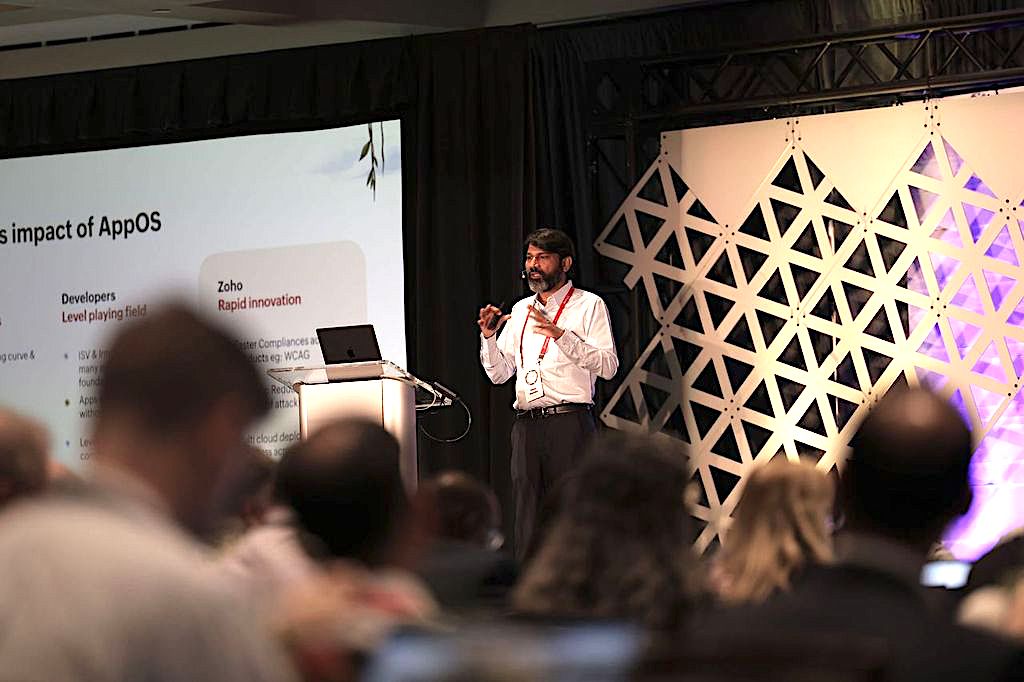
]]>Artificial Intelligence automation is no longer an upcoming idea, but rather a necessity for businesses. Organisations across various sectors are embracing AI-powered solutions to enhance efficiency and cut down on manual labor. Industry events such ZohoDay 2026 AI and Low‑Code Automation Insights and AI‑Driven Retail Media Automation at eTail West 2026 demonstrate how businesses are shifting from pilot projects to fully-fledged automation. The current state of AI technology is not only supporting employees but also automating business processes and making decisions. This marks a significant shift in the evolution of automation, which is no longer a simple tool but an intelligent business environment that can adapt in real-time.
2. Low-Code Platforms Powering Business Innovation
One of the most significant and exciting trends that was highlighted at ZohoDay 2026 is the development of AI-based low-code platforms that aim to democratize the development of technology. Today, companies do not require massive engineering teams to develop complex applications. Rather, platforms such as Zoho’s AppOS allow companies to leverage the power of artificial intelligence and low-code development, which enables various departments within an organization to automate processes and develop digital solutions at a much faster pace. As highlighted at the event, companies today are increasingly focusing on platforms that bring data, automation, and applications together in a single operating environment.
3. AI Automation Shifting from Tools to Intelligent Systems
The conventional automation was limited to the execution of repetitive tasks. Nevertheless, the recent developments suggest the shift towards intelligent automation systems that are able to comprehend the context and make decisions. The AI platforms are now analyzing the data flows, predicting the results, and suggesting the optimized actions without the need for constant human interaction. The development that has been highlighted at ZohoDay shows how the enterprises are embracing AI as an operational foundation, and not just as an afterthought. The AI ecosystems allow for better collaboration between the departments, better workflow transparency, and quicker reactions to the market requirements.
4. Marketing Transformation Through AI-Driven Automation
Though the evolution of enterprise software is quite dynamic, the evolution of marketing technology is no less significant. At eTail West 2026, Shirofune unveiled advanced AI retail media automation platforms that help optimize the performance of digital advertising. These platforms help automate advertising bids, budgets, and audience targeting using real-time data. Unlike traditional platforms that focus only on Return on Ad Spend (ROAS) as a key metric, AI platforms focus on discovering high-value customers and maximizing profits. The automation of optimization allows marketers to scale acquisition efforts without adding manual workload, thus helping businesses grow smarter and remain operationally efficient.

5. The Convergence of Enterprise and Marketing Automation
The most important learning from these two industry events is the integration of enterprise automation and marketing automation into a single AI system. Low-code platforms are used for automating internal business processes, and AI marketing automation is used for customer acquisition and engagement. The combination of both results in an overall automated business model where business operations, analytics, customer engagement, and revenue models run in perfect sync. Organizations that implement this integrated approach will be able to make decisions faster, scale their business easily, and position themselves better in the market. AI automation is no longer restricted to the IT function but will impact the finance, marketing, operations, customer service, and executive functions all at once.
6. How Businesses Can Adapt — Supported by Sprit Network
However, with the evolution of AI automation technologies, organizations are likely to encounter challenges such as integration, workflow, security, and workforce issues. For any organization to adopt AI technologies, it is not just about having the technology, but also about having the right expertise, technology support, and strategic planning. For organizations looking to adopt technologies such as low-code platforms, AI automation workflows, or intelligent marketing systems, technology partners can be very beneficial to them. Sprit Network helps businesses through these significant changes by assisting them in implementing automation technologies, optimizing digital operations, and providing them with the right technology support, thereby helping them confidently transition into the AI-driven automation world.
]]>The global AI landscape is undergoing a radical transformation. We are moving beyond the era of simply “building models” toward “scaling infrastructure.” With NVIDIA’s strategic acquisition of SchedMD (the creators of the Slurm workload manager), it has become clear that industry leaders recognize AI’s greatest bottleneck is no longer merely silicon, but the orchestration of that silicon. For System Integrators (SIs) and Enterprise Architects, this marks the dawn of the “Automation Era.” The true value of an AI ecosystem is now determined by how effectively hardware, software, and data layers are integrated via intelligent automation.
2. Eliminating the Compute Gap: The Statistical Necessity of Automation
The statistics behind this paradigm shift are striking. Data shows that close to 40% of all computing power in traditional data centers is underutilized due to poor scheduling and manual infrastructure management. As AI becomes increasingly complex—requiring thousands of GPUs to work in total harmony—manual configuration has lost its edge. It is no longer feasible for companies to manage these resources by hand. To succeed, any organization planning to deploy AI at scale must automate the “plumbing” of AI: job scheduling, resource allocation, and thermal management. By automating these processes, organizations can decrease training times by as much as 30% and dramatically reduce operational costs. This is the core role of System Integration automation: taking a patchwork of disparate servers and forging them into a single, high-performance engine.

3. The Rise of Full-Stack Synergy: Breaking Vendor Lock-In
We are now witnessing the emergence of “Full-Stack Automation,” a trend accelerated by the NVIDIA-SchedMD partnership. This movement aims to eliminate the siloed approach favored by many legacy vendors and proprietary systems. Previously, companies were forced to use different vendors for storage, networking, and compute, connecting them through labor-intensive processes prone to “AI friction” and slow service delivery. Today’s trend toward vendor-agnostic, open-source automation allows for “plug-and-play” infrastructure. This democratizes access to the same architectural efficiency enjoyed by giants like OpenAI and Google, making it available to smaller research labs and mid-sized firms. Furthermore, automated SI frameworks allow for “self-healing” infrastructures that automatically reroute workloads during GPU failures, preventing the interruption of multi-million-dollar training sessions.

4. Hybrid-Orchestration: Optimizing Economics in the AI Cloud
AI automation is fundamentally reshaping the economics of the cloud. There is a large-scale migration toward Hybrid Orchestration, which allows for intelligent decision-making regarding where an AI task executes—whether on a Local Private Cloud, a Decentralized Network, or a Public Provider—based on cost, latency, and data privacy requirements. Statistics from 2024 and 2025 indicate that enterprises adopting automated hybrid infrastructure experienced a 25% reduction in average annual cloud expenses compared to those using static, single-provider setups. “Smart Routing” of AI workloads represents the next evolution of SI, granting businesses an unprecedented degree of agility to shift their technical strategy in hours rather than months.

5. Decentralized Compute: The Final Frontier of AI Scalability
The final step of the automation revolution is Decentralized Computing. As AI demand surges, traditional centralized data centers are reaching their physical and environmental limits. In the foreseeable future, a distributed network with automated data flow across a global web of nodes will replace the centralized model. This represents a fundamental shift in how we utilize technology in the 21st century. Integrating distributed resources enables the creation of a “Global AI Computer” that is more responsible, ethical, and accessible. The success of the open-source movement in this space proves there is a massive market for transparent, non-proprietary solutions. The message is clear: the leaders of the next decade will not be those with the largest data repositories, but those with the most automated and integrated infrastructure.

6. Sprit Network: Empowering the Future of Automated Intelligence
Sprit Network is a key partner in your AI journey. As the sector moves toward multi-layered automation, Sprit Network’s decentralized design and SI expertise provide the tools necessary to transform your vision into a tangible product. We bridge the divide between raw compute capabilities and real-time AI activities through a seamlessly integrated, automated environment designed for peak effectiveness.
Our offering ensures your organization remains on a vendor-neutral path to a highly scalable AI ecosystem built on open-source orchestration tools like Slurm. Whether you are looking to enhance your existing GPU clusters or build a fully decentralized, highly resilient AI network from scratch, Sprit Network provides the technical synergy and strategic foresight to future-proof your intelligence.

The most defining shift in 2026 is the obsolescence of static malware, now replaced by Agentic AI-based threats. Unlike traditional viruses that follow a rigid, pre-programmed script, these autonomous agents possess the ability to reason, adapt, and learn from your environment in real-time. For IT departments, this means that “Living off the Land” (LotL) attacks have become industrialized. Attackers no longer need to “sneak” a detectable virus into your system; they deploy an AI agent that weaponizes your own legitimate administrative tools, like PowerShell or Python, to move laterally across your network. By the time a human analyst recognizes a suspicious pattern, the agent has already mapped your infrastructure, exfiltrated sensitive data, and neutralized your “immutable” backups.
The Identity Crisis: Deepfakes and the Death of “Knowing Your Staff”
Cyber risk has officially moved from the server room to the boardroom. As of 2026, Deepfake-as-a-Service (DaaS) has matured into a multi-billion dollar criminal industry, fueling an explosion of “Machine-to-Machine Mayhem.” We are seeing sophisticated attacks where rogue AI, perfectly mimicking high-profile executives, joins video conferences to authorize multi-million dollar wire transfers. The data is clear: the average cost of a data breach in the U.S. has now surged to $10.22 million, driven largely by these hyper-realistic impersonation attacks. Even the hiring process isn’t safe; HR departments now face “Deepfake Candidates” who pass technical interviews using AI overlays, only to gain internal access as a “Predator” from the first day of employment.

From Cybersecurity to Operational Resilience
In 2026, we have moved beyond viewing “Zero Trust” as a luxury; it is now a mandatory survival strategy. However, the industry is evolving further into Continuous Control Monitoring (CCM). IT experts have learned that a mere “access check” at login is no longer sufficient. Modern defense-in-depth requires monitoring every single action of an identity—whether that identity belongs to a human or an AI bot. The primary goal of 2026 is no longer total “prevention,” as the attack surface has become too vast. Instead, the focus is on Operational Resilience: designing hostile networks filled with honeypots, air-gapped recovery systems, and AI-powered SOCs that can automatically remediate 70% of threats before they escalate into a crisis.
The “SaaS-to-SaaS” Worm: The New Hidden Backdoor
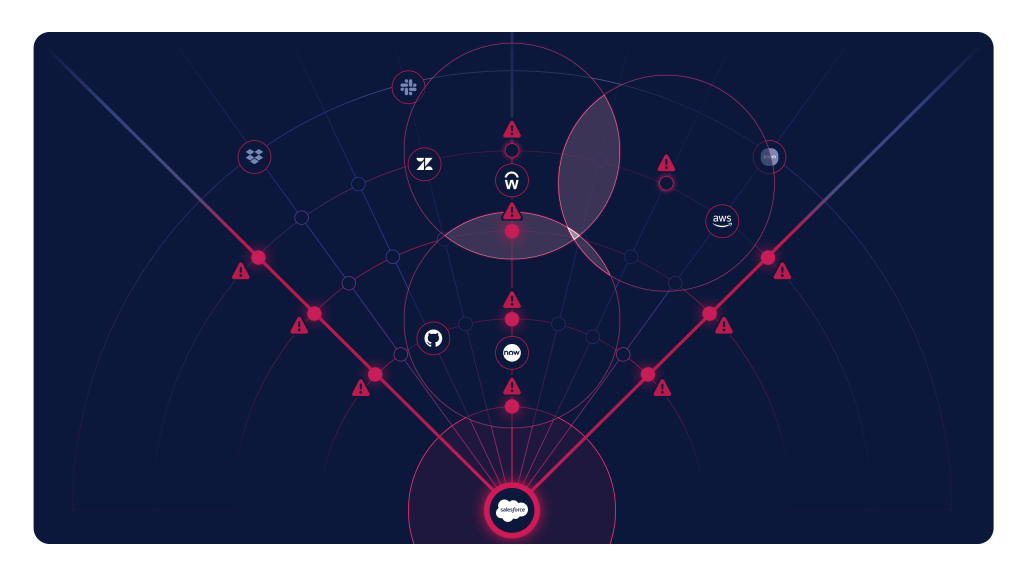
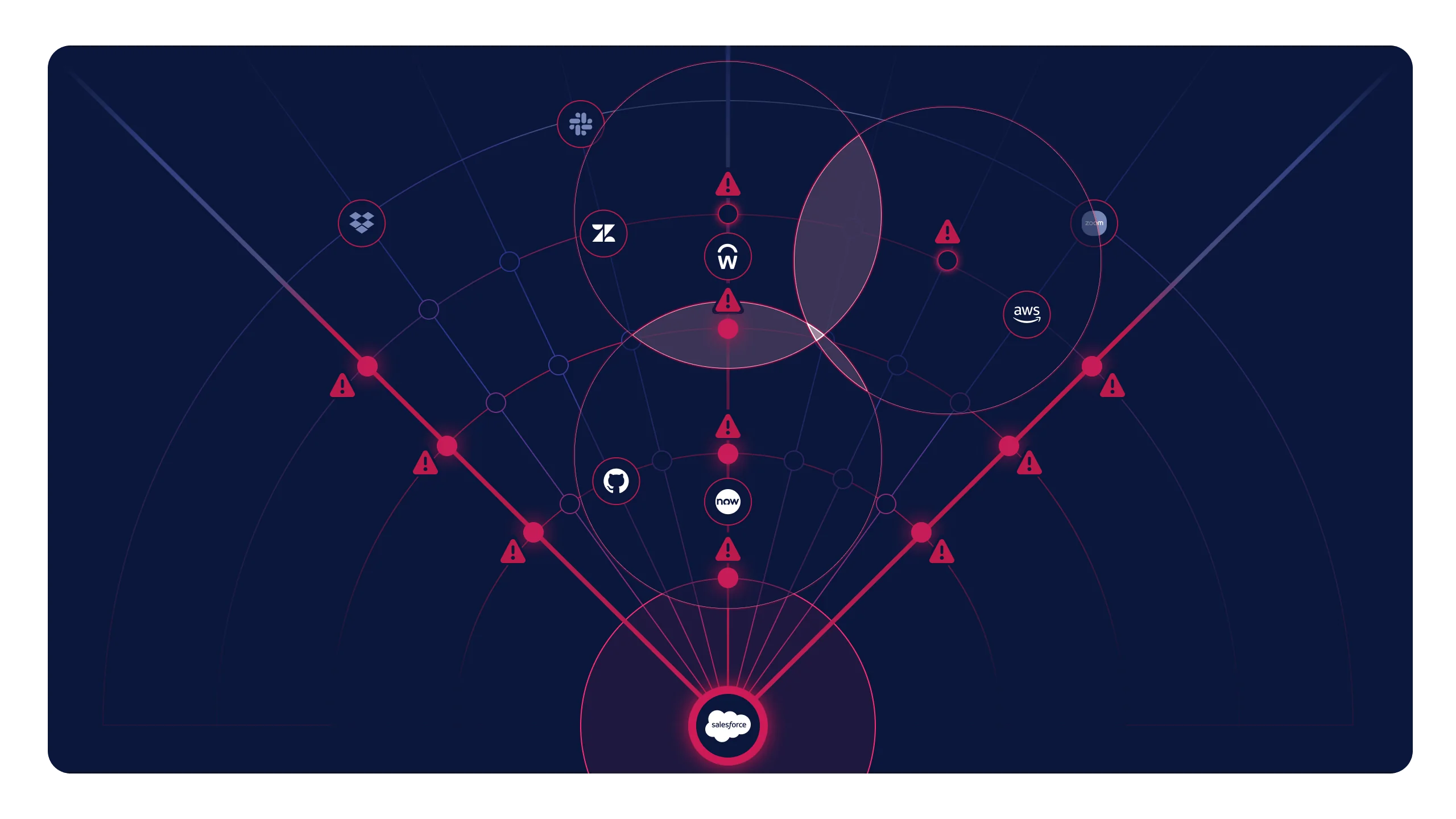
The SaaS OAuth Worm represents the most dangerous blind spot for businesses today. As organizations deeply integrate Slack, Salesforce, and Microsoft 365, they create a complex web of permissions that “Agentic Protocols” are designed to exploit. These worms allow a predator to bypass Multi-Factor Authentication (MFA) entirely by tricking a user into authorizing a seemingly helpful AI productivity app. Once granted permission, the worm can jump autonomously from one cloud service to another, harvesting data across the entire enterprise without ever triggering a traditional login alert. Securing these autonomous “cloud-to-cloud” connections is the new frontier of network security.
Future-Proofing the “Human-in-the-Loop”
Despite the rise of automation, the “Human-in-the-Loop” remains your final line of defense. 2026 is the year of Cyber-Psychological Resilience. One of the greatest hidden risks to corporate security is IT burnout; a stressed employee is significantly more likely to miss the subtle red flags of a deepfake or a misconfigured AI agent. Business leaders must invest not only in technical tools but also in their employees’ mental readiness and continuous education. As AI eliminates “bad grammar” from phishing emails, the only way to catch a perfectly written lure is through a culture of skepticism and advanced behavioral training.
Your Strategic Partner: Sprit Network
Navigating this complex, predator-ridden landscape requires more than just a software subscription; it requires a committed security partner that understands the nuances of the 2026 threat environment. Sprit Network is dedicated to being the backbone of your digital defense. Whether you are addressing high-severity vulnerabilities in your ERP systems, securing your data centers against autonomous agents, or seeking a holistic approach to incident response, our team stands ready to serve. We don’t just offer tools; we provide the expert human intelligence needed to ensure your digital sovereignty and operational continuity. No matter the challenge, from technical glitches to advanced persistent threats, Sprit Network is prepared to make your business resilient against any digital predator.
]]>The ever-changing cyber threat environment has seen identity emerge as a new warfare zone. Cyber attackers are increasingly focused on the credentials of the user and the device, including non-traditional endpoints, in an effort to break into the systems and databases of an organization. In recognition of this paradigm shift, the world’s cybersecurity leader, CrowdStrike, rolled out a strategic acquisition of identity security provider SGNL in a deal valued at around $740 million. (CrowdStrike)
SGNL’s tech is based on continuous real-time verification of identity, which allows organizations to dynamically grant or deny access based on risk signals in real time, rather than traditional privileges. This idea of continuous identity helps reduce the attack surface by removing existing access privileges that are often attacked by an adversary once they have infiltrated a network. This is called “Continuous Identity.” (CrowdStrike)
The acquisition illustrates how the security field is moving beyond conventional methods of access control to ones which instantly respond to real-time threats. This means that companies will be able to more effectively defend against contemporary attack methods which see credentials, whether human, robotic, or AI entities, leveraged to pivot stealthfully across environments.
2. Why Identity Security Matters More Than Ever
As organizations began to use traditional models of cyber security to monitor their endpoints for malicious threats and exploits, a shift towards cloud-based services and AI driven independently operating systems began. With this shift, cyber criminals began to move towards leveraging compromised user identities as a stealthy yet effective way to gain access to organizations. Using compromised identities has allowed cyber criminals to enter an enterprise’s system without raising an alarm or being stopped until significant damage has occurred to that enterprise. (TechRadar) TechRadar reports on the multiple ways cyber criminals use compromised identities including, but not limited to, compromised or stolen user accounts; improperly configured access permissions; stolen API keys; manipulating machine-learning algorithms; and creating rogue AI agents. Without continuously validating the identity of users, cyber criminals have the potential to take advantage of compromised credentials; gaining access to sensitive data or systems of the enterprise long before they are detected. By combining the SGNL Identity Management Platform with the CrowdStrike Falcon Security Ecosystem, enterprises will now be able to monitor user identities in all environments and dynamically adjust corresponding user access permissions according to their risk context. CrowdStrike states that combining SGNL’s Identity Management Platform with the CrowdStrike Falcon Security Ecosystem means Cyber Security has progressed from a “Reactive” to “Proactive” model. For Security Leaders, the emphasis on moving towards “Proactive Cyber Defense” is a major advancement in decreasing Security Breaches caused by the inappropriate use of compromised user identities. (CrowdStrike)

3. A Broader Trend: Cybersecurity Consolidation and Innovation
CrowdStrike is buying SGNL. This deal shows something big that is happening in the cybersecurity market. Companies are putting technologies together to make one strong platform that can handle many kinds of threats. This means the platform can protect us from threats on our computers and networks and from threats to our identities the cloud and now threats that have to do with artificial intelligence, like Pure AI. (Pure AI)
Companies are working together to make things easier for their customers. They want to get rid of all the tools that do not work well together. This means businesses will have tools to deal with and they will have a better way to understand the threats they face. They will also be able to respond to problems quickly.
Companies like these are going to have to be aware of what’s going on at all times. This is called awareness. It means they will have to look at things like who is doing something what they are doing and what kind of risk they pose, all at the time and in real time. Cyber defenses are going to rely on this kind of awareness more, in the future. Companies and cyber defenses and incident response workflows will have to work to make this happen.
Companies like these are going to have to be aware of what’s going on at all times. This is called awareness. It means they will have to look at things like who is doing something what they are doing and what kind of risk they pose, all at the time and in real time. Cyber defenses are going to rely on this kind of awareness more, in the future. Companies and cyber defenses and incident response workflows will have to work to make this happen.
This consolidation helps organizations simplify security architectures, reduce vendor sprawl, and improve visibility across digital operations — all essential in an era where cyber threats are more automated, distributed, and intelligent.

4. A National Response to Cyber Risk: The UK’s £210m Cyber Action Plan
Although the pace of innovation in the world of business is rapid, governments around the world are also facing increased cyber threats. On January 7, 2026, the UK Government confessed that its “public sector cyber risk is critically high,” along with the launch of its National Cyber Action Plan worth £210 million. (TechRadar)
Such a courageous admission is a measure of the magnitude of online threats that exist for public institutions. Even after years of cyber security strategies, there had been weaknesses that made important sectors open to cyber attacks that threatened public services, privacy, and public trust. (TechRadar)
However, the committed funds are for the establishment of a Government Cyber Unit, improvement in response to cyber incidents, and imposition of a mandatory cybersecurity standard, a departure from the previous non-binding approach which failed to keep up with emerging threats. (TechRadar)

5. Government Cyber Strategy: What It Means for Businesses
Although the UK government’s goal is to enhance the security of its own agencies and departments, it will affect many other parts of the digital ecosystem. For example, national cyber governance policies may impact the way an industry sets standards, expectation for compliance, and the way industry collaborates with government. (TechRadar)
The UK government has communicated that cyber resilience (i.e., the ability of an organization to withstand and recover from cyber incidents) is now a strategic imperative by requiring organizations to implement mandatory policies, develop incident response capabilities, and establish accountability for IT and cybersecurity risks.
Organizations that support or are part of a government supply chain will face increasing scrutiny and demands for stronger security. It is critical that every company within a supply chain adopt new regulatory requirements, use more sophisticated detection and response tools, and employ best practices that meet the increasing benchmarks for national cybersecurity.
In addition, the UK Cyber security plan outlines how government agencies, technology companies and the private sector can work together to defend against large scale incidents. Given the nature of cyber attacks, this joint collaborative approach will continue to be an important component of securing cyberspace.

6. Closing the Gap: How Sprit Network Can Help
In Sprit Network, we recognize that the advancements in technologies and the changes in regulations are transforming how the business world protects their cyber assets. In the face of sophisticated identity-based threats and the consideration of domestic cyber security guidelines, adaptive protection solutions are needed.
Here’s how Sprit Network can support your organization:
Strategic Risk Assessment
We help evaluate your current security posture, identifying identity vulnerabilities, access control gaps, and risk exposures before attackers exploit them.
Identity‑First Cyber Defense
Our solutions integrate best‑in‑class identity security measures with real‑time behavior analysis, enabling dynamic access control aligned with modern threat landscapes.
Compliance and Policy Alignment
We assist organizations in aligning with evolving regulatory frameworks, ensuring that compliance doesn’t become a liability but a strength.
Incident Response and Preparedness
In the event of a breach, Sprit Network provides swift incident management, forensic analysis, and remediation support to minimize damage and recover swiftly.
Training and Awareness
Technology alone is not enough, we offer expert training for your teams, enhancing readiness and reducing the risk of human error, which remains a leading factor in cybersecurity incidents.
Cybersecurity threats aren’t slowing down, but with the right partner, your business can stay ahead of risk, aligned with best practices, and prepared to defend what matters most. Contact us at Sprit Network to fortify your defenses and embrace a resilient cyber future.

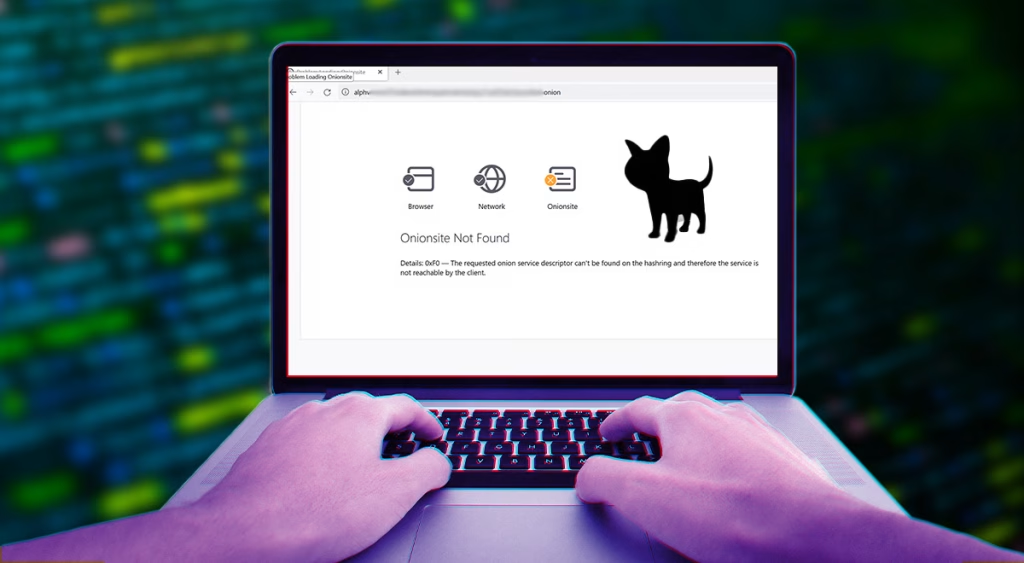
In an unexpected turn of events that has shaken the cybersecurity world, two veteran U.S. cybersecurity experts have pleaded guilty to conspiring with the ransomware gang ALPHV/BlackCat to extort American companies. According to federal prosecutors, Georgia resident Ryan Goldberg and Texas resident Kevin Martin pleaded in a Miami federal court to conspiracy to interfere with commerce through extortion. Both are facing up to 20 years in prison each at their sentencing scheduled for March 2026.
What seals the notoriety of this case is not only the egregiousness of the crime but also that the perpetrators were former employees in defensive security roles: one as an incident response manager and the other as a ransomware negotiator, positions normally entrusted with protecting organizations from exactly this sort of threat.
2. Misused Expertise: How Security Knowledge Became a Weapon
What is particularly disturbing about this case, however, is the improper use of expert knowledge of cyber security. Rather than protecting computer systems, the accused purportedly utilized this knowledge for the installation of ransom ware, encrypting victims’ information, and extorting $100 million in ransoms through cryptocurrency. They worked alongside another conspirator, whose name has not been revealed, and employed insider knowledge of how to respond to an incidence to remain undetected for a longer period of time compared to normal criminals.
A known victim, a medical device company, reportedly paid more than $1.2 million in Bitcoin to restore their system usage. The high degree of trust given to these individuals makes one thing abundantly clear: technical acumen does not guarantee honesty or fidelity to the organization. Cyber security recruitment practices cannot dismiss such a fact. (Cybernews)
3. Why This Matters: Insider Threats Complicated
Though insider threats have existed for some time, the transition of security professionals from protectors to adversaries has introduced a significantly greater degree of risk than that posed by traditional insider’s. While traditional insiders generally expose or accidentally expose systems due to careless behaviour, today, insiders actively use their skill set as a weapon against their employer. As a result, corporations must review their threat model to include an additional category of threat that addresses the possibility that a trusted employee with legitimate access will use that access against the organisation. (Cybernews) The traditional approach to the development and implementation of cyber security strategies has placed an overwhelming emphasis on perimeter-based security, such as firewalls, encryption, access tokens, patching, etc. As demonstrated in this situation, it is important that human factors and trust relationships as part of the overall defensive strategy experiencing security incidents that will affect organisations that deal with sensitive or critical assets.

4. The Rise of Kernel-Level Malware: ToneShell Backdoor Identified
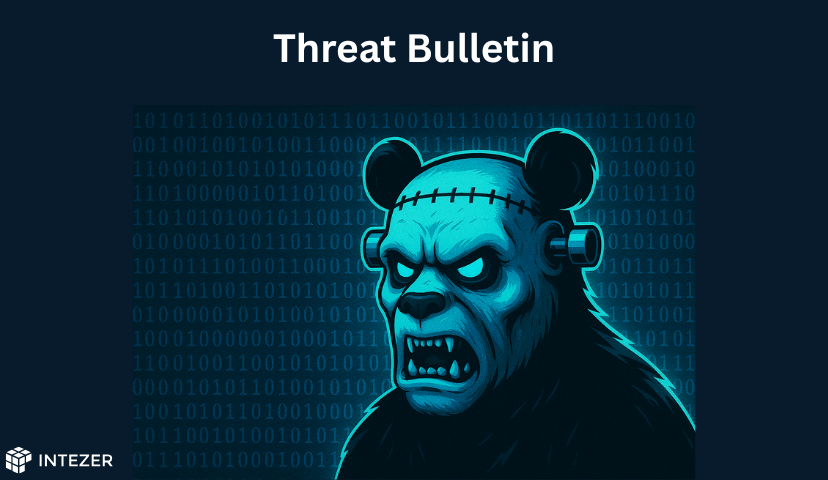
Though insider attacks make headlines with regard to the shocking nature of such attacks, a pattern of a similar nature is emerging within the external landscape. A new variant of the ToneShell backdoor has been discovered by researchers which is attributed to the government-aligned Mustang Panda (also known as HoneyMyte) group. (TechRadar)
The backdoor malware is distributed in an intelligent and hidden manner through a kernel-mode driver. One of the reasons why the malware is highly destructive is the fact that it resides deep inside the Windows OS. Hence, it is difficult to be detected by security mechanisms that are limitations to user-mode malware and lack the ability to monitor kernel-mode. (TechRadar)
5. Anatomy of a Stealth Malware: How ToneShell Operates
The recently found ToneShell backdoor variant has various important attributes:
- Kernel-mode access: This is made available by a malicious driver signed with the intention of intercepting the kernel-mode functions. (TechRadar)
- Rootkit behaviours: The malware is able to hide files, processes, and registry entries by integrating itself into the operating system. (Cybernews)
- Remote control: After infiltration occurs, it’s possible to upload/download files as well as perform remote command execution, along with persistence in the attacked computing system. (TechRadar)
The use of stolen or leaked code-signing certificates allows this malware to pass superficial security checks, meaning that even well-maintained environments could be vulnerable without deeper inspection mechanisms. (HawkEye)

6. Why This Threat Changes the Game
This new variant of ToneShell underlines an emerging trend in cyber espionage: malware that reaches deep into system architecture to evade detection. Unlike ransomware, which typically has a major focus on financial extortion, backdoors such as ToneShell grant hackers continuing surreptitious access to critical infrastructure-a hallmark of state-linked campaigns. (TechRadar)
And, as government agencies, defense ministries, and organizations handling sensitive political, economic, or security data, should note: these threats are engineered for longevity and stealth-not just immediate disruption. The evolution in malware sophistication is bound by the need to develop more advanced strategies for defense than ever before.
7. The Dual Lessons: Trust and Technical Vigilance
Both of these reports illustrate two points:
- Risks Within the Organization- Every trusted employee has the potential to jeopardize an organization as long as the organization does not provide defined expectations and accountability regarding his/her behavior and ethics.
- Sophisticated External Threats- Backdoors such as ToneShell provide a new type of threat that may not be detected or suppressed by conventional security measures. Organizations using only basic antivirus software or perimeter security will increasingly find themselves at risk. Organizations now clearly require adaptive, multi-layered, intelligence-driven, and vigilant security..
8. How Sprit Network Supports Organizations against these Threats
We at Sprit Network are aware of the risks posed by insider threats as well as the sophistication of malware threats that are stealthy in nature. Here is how we assist organizations to improve their overall cyber security posture:
Hands-On Risk Assessments
While most vulnerability scanning analyses patterns of breach activity, our process extends beyond typical vulnerability scan results for the assessment of insider risk indicators, behavior anomalies, and misuse of privilege access.
Advanced Threat Monitoring & Detection
Our solutions combine next-generation endpoint detection and response (EDR) with monitoring at the kernel level to provide early and precise detection of threats such as ToneShell.
Incident Response & Forensics
Should a threatening attack occur, Sprit Network has a skilled response team ready with quick actions from containment and analysis, all with the goal of lessening any possible damage and expediting a rectification process.
Human-Centric Security Training
Awareness, ethics, and threat recognition skills necessary for limiting risky behaviors and unintended vulnerability are what our services provide to teams.
Continuous Strategic Support
Through 24/7 monitoring capabilities, updates to threat intelligence, and proactive security roadmaps, the Sprit Network helps your business always stay one step ahead of both internal and external threats.
Conclusion: As cyber threats evolve in both source and sophistication, organizations must adapt with robust, intelligent, and multi-layered defenses. With expert support from Sprit Network, you can build a resilient security posture prepared for 2026 and beyond.

Understanding MongoBleed: A Critical Database Vulnerability
Among the most ominous cybersecurity developments at the end of 2025, one certainly finds a newly developed critical vulnerability, known as MongoBleed, which affects MongoDB servers worldwide.
This vulnerability, tracked as CVE 2025 14847, resides in the database platform’s zlib-based network message decompression logic and—crucially—can be exploited without authentication. An attacker only needs network access to a vulnerable server to craft malicious packets that trigger the flaw and leak sensitive data directly from server memory.
Security reports place its severity score as high because the vulnerability exposes internal server memory, which could include sensitive information such as credentials, API keys, and configuration data. A working exploit for MongoBleed was released publicly, and hundreds of thousands of internet-exposed MongoDB instances were identified as vulnerable before patches were applied. But the speed at which this vulnerability went from discovery to real-world attack eloquently illustrates a broader trend: in cybersecurity, vulnerabilities can become crises in moments. Organizations reliant on MongoDB-whether cloud-hosted or self-managed-were thus compelled to scramble, patching systems, reconfiguring services, and updating their threat monitoring. (Cyber Security News)

The Trust Wallet Chrome Extension Breach: Crypto and Supply Chain Risk
The recent vulnerability to Trust Wallet’s customers underscores the potential risk in all consumer-facing software applications, especially those that look trustworthy. Recently, Trust Wallet, one of the most extensively used non-custodial multi-chain wallets, suffered a malicious update to their Chrome extension (Version 2.68) which resulted in losses of approximately $7 million in Crypto against their users around the world.
The hack was accomplished by using the update’s injected malicious code to steal users’ mnemonics (the private keys used to manage the users’ wallets). The hackers were then able to access the funds from their victims’ wallets just hours after their malicious update was released.
Trust Wallet immediately recommended all users disable the affected version of their extension and to download the secure release (Version 2.69) and offered to reimburse affected customers. The hack can teach users a valuable lesson: trusted software is still vulnerable to supply chain attacks that can harm thousands of users before the problem can be identified. (The Hacker News)

Common Themes: Large Attack Surface and Rapid Exploitation
What connects these two instances, one based on server software and the other on a browser extension, is the rapid rate at which these vulnerabilities can be capitalized on in the event of inadequate defenses. The instances of MongoBleed and Trust Wallet both relied on pre-existent trusts in their respective assumptions, namely that their own decompression tools were secure and that their official update to a trusted browser extension was genuine.
For the MongoBleed vulnerability, attackers targeted the weakness before any login was needed, proving the level of vulnerability that exists when the underlying software networking systems are insecure at the protocol level. On the other hand, the Trust Wallet vulnerability showed how the vulnerability exists at the software release level, commonly referred to as the supply chain attack where the hacking code was added into the proper software application.
Such instances are typical of the types seen in contemporary computer threats, wherein the attacker does not have to use advanced zero day exploits or gain insider assistance, but only vulnerabilities that are not patched, are not monitored correctly, or are believed to be safely exploitable.

Why Organizations Need Proactive Cyber Support
The incidents described above highlight the need for change – passive cyber security is no longer enough. Cybersecurity professionals can no longer afford to wait for alerts or publicly disclosed incidents to understand the possible problems they have experienced, possibly allowing the worst to be thrown their way.
Instead of reacting to problems, organisations must be proactive (instead of reactive), as well as employing strategies driven by expert advice, in order to discover vulnerabilities at the earliest possible time, prioritise patches for all critical systems, and be able to respond to all likelihoods of attacks as soon as the threat appears.
Sprit Network is now positioned to play a key role in this transformation. Sprit Network has continuously provided threat intelligence, provided real-time monitoring of all vulnerability disclosures, and has provided expert incident response assistance to organisations so they could respond quickly to all new threats, including MongoBleed. With Sprit Network providing sophisticated scanning and management of configurations, organisations can discover services that expose themselves due to critical vulnerabilities, prior to the vulnerability being used by a potential attacker.
Strengthening Cyber Posture with Sprit Network
By integrating Sprit Network’s tools and services into a cybersecurity strategy, organizations can:
- Continuously monitor infrastructure and dependencies for emerging vulnerabilities, including critical flaws like MongoBleed.
- Automate patch prioritization and compliance checks, reducing the window of exposure before exploits are used in the wild.
- Detect unusual behavior in software releases, mitigating risk from supply chain attacks.
- Respond rapidly to incidents with expert analysis and remediation guidance when breaches occur.
This combination of proactive visibility and expert support helps organizations reduce the risk of becoming tomorrow’s headline.

Conclusion: The Imperative of Vigilance and Preparedness
MongoBleed and the Trust Wallet Chrome extension attack demonstrate the attack surface which exists within modern environments, encompassing server software, the cloud, development processes, and end-user applications as well. In both incidents, the attackers managed to take advantage of the vulnerability very rapidly, writes Bleeding Edge Technology Blog.
To protect themselves against such threats, organizations need to adopt the concepts of continuous monitoring, rapid patching, and expert advice. Sprit Network solutions, which integrate clarity of sight with threat intelligence, are critical when building resilience against existing and emerging cyber threats. Cybersecurity has transcended one-time processes and has become a never-ending quest of staying alert and always prepared and quick to act.
]]>