The post Behind the Brand: Nathan Overall’s Journey at Vantify first appeared on Vantify.
]]>Featuring Nathan Overall, Client Success Representative at Vantify
 At Vantify, our greatest asset isn’t our software, it’s our people. Curiosity, dedication and genuine human connection shape the culture here, and few people represent this better than Nathan Overall, Client Success Representative. His journey shows how growth happens when someone stays open-minded, keeps learning and embraces change.
Before Vantify: From baking to business systems
Nathan joined Vantify in 2020, just weeks into the first COVID lockdown. Before stepping into CAFM and compliance software, he spent six or seven years working as a baker, producing everything from lemon sponges to three-tier wedding cakes. As he says, “I owe a lot to BBC Good Food.”
Seeking something new, he made a deliberate move into technology. “I think I just woke up one morning and thought: I just want to learn more.”
Starting out at Vantify
Nathan began on the Out of Hours Service Desk, managing emergency client calls through the night. The role required independence, initiative and the ability to adapt quickly.
“Nothing was ever the same. Every call was different and I loved it.”
This gave him a strong foundation and an early sense of responsibility.
Progression built on curiosity
Nathan soon moved to the Days Service Desk to deepen his understanding of the system and client communication. From there, he transitioned into Administration, working on PPMs, document types, site setups and more. This is where he became highly knowledgeable across Vantify’s ecosystem including Supply Chain, CAFM and Risk Manager.
“I learned as much as I possibly could and got to know all the systems inside and out.”
Years of hands-on learning led to his promotion into Client Success, where he now manages client relationships and helps them get the most from the software.
 The challenges that shaped his growth
One of Nathan’s biggest challenges was learning a completely new software landscape. He also had to adjust to the autonomy that comes with Client Success.
“It was a bit scary to begin with because I’ve always had structure in the past. Even though it’s a new challenge, it’s also a privilege to have this kind of autonomy.”
His instinct has always been to ask questions, immerse himself in the detail and keep pushing forward.
Skills gained along the way
Organisation became essential early on, especially when managing more than 25 clients. Collaboration also played a major role as he worked closely with teams across the business.
But the most meaningful growth was personal. Once introverted, Nathan now leads client conversations comfortably and handles complex issues with confidence.
“Definitely knowledge, confidence, leadership. These are all things that I have picked up and improved upon over time.”
During COVID, when structures shifted, Nathan naturally stepped up, showing the leadership qualities that have carried him through his career.
The post Behind the Brand: Nathan Overall’s Journey at Vantify first appeared on Vantify.
]]>The post A Day in the Life of an Environmental Health & Safety Consultant first appeared on Vantify.
]]>
Featuring Stephen Nicholls, Senior Consultant at Vantify
At Vantify, we believe that great health, safety, and compliance starts with people – the ones who care, who listen, and who go the extra mile to keep others safe. Behind every report, audit, or assessment is a consultant who’s passionate about making workplaces healthier, more sustainable, and more compliant. Our team isn’t just about ticking boxes – it’s about building relationships, finding solutions, and helping organisations grow responsibly.
Stephen Nicholls, one of our Environmental Health & Safety Consultants, shares what a typical day looks like in his world – where no two days are ever quite the same, and every journey brings new challenges and rewards.
What does a typical day look like for an environmental consultant?
It’s always exciting boarding the train from Poole and heading towards the hustle and bustle of London. The thing about consultancy is that no two days are ever the same, which adds to the anticipation of what lies ahead. Today could bring anything from delivering a bespoke training course, conducting a specialist ISO 14001 audit, or carrying out a compliance assessment at a client’s site.
What do you find interesting about the role?
With more than ten years of experience in environmental consultancy, I can confidently say this role never stops challenging me – and that’s what keeps it interesting. It’s far more than just understanding rules and regulations; it’s about helping clients do the right thing, inspiring better practices, and supporting them as they meet growing demands for sustainability from their key stakeholders.
At Vantify, that’s exactly what we do. We help clients assess their environmental compliance, highlighting what’s working well, what could improve, and providing clear, constructive action plans to help them get there. And environmental work is just one part of our ecosystem – we cover fire safety, health and safety, and so much more, ensuring our clients are supported from every angle.
Are there any site visits that particularly stood out to you?

On this particular day, my destination was a prestigious British Land site near Liverpool Street in London. As I arrived, the building stood grandly in the morning mist, which was just beginning to lift as the sun broke through. Inside, the modern architecture immediately caught my attention – a perfect reflection of design and innovation.
Can you tell us what your day looked like while working on this site?
After meeting the client and going through the brief, I reviewed the necessary documents before walking the site to verify that everything in practice matched what was on paper – from well-managed waste systems to efficient energy use. The building was a fine example of modern sustainability in action, equipped with a Grade B EPC rating and heat reclamation to help minimise its carbon footprint – no small feat in the heart of a busy city.

As the day concluded, the closing meeting went smoothly, with a client who was clearly proud of the hard work their team had put in. It’s always rewarding to leave on that note – knowing they have a clear summary of findings, no unexpected issues, and recognition for the progress they’ve made.
Then it’s time to head home, reflect, and begin writing the report, already wondering what tomorrow will bring. In this ever-evolving world of environmental health and safety, one thing stays constant – the satisfaction of knowing the work we do helps keep people safe and supports a more sustainable future.
What would you say to organisations considering working with Vantify?
If you’re looking for leading consultancy from people who genuinely care and want to help you, Vantify could be the perfect fit for you.
0203 337 3575
[email protected]
The post A Day in the Life of an Environmental Health & Safety Consultant first appeared on Vantify.
]]>The post BS 30480: Suicide and the Workplace first appeared on Vantify.
]]>
BS 30480 is the UK’s first formal standard providing guidance on suicide awareness, prevention, and intervention in workplace settings. It is free to download and applies to organisations of all sizes and sectors.
- Purpose and Scope
- Provides a comprehensive framework for preventing, identifying, and responding to suicide risk in workplace environments.
- Designed to build safe, supportive workplace cultures where people can talk openly about suicide without stigma.
- Aligns with existing safety frameworks such as ISO 45001 and psychosocial risk management.
- Awareness & Understanding Suicide
- Covers key suicide risk factors, warning signs, and workplace contributors (e.g., bullying, loneliness, workload, financial stress).
- Encourages the use of clear, direct language when asking about suicide to reduce stigma and ensure safe intervention.
- Tackles persistent myths that hinder open communication.
- Prevention Strategies
- Promotes proactive, upstream prevention, including psychologically safe work design, workload management, and supportive cultures.
- Encourages training for leaders, managers, and employees to recognise distress and know how to respond.
- Calls for clear policies, governance, and leadership commitment to embed suicide prevention across the organisation.
- Intervention Guidance
- Provides practical advice on how to ask directly about suicide, how to respond safely, and common communication pitfalls to avoid.
- Includes frameworks for creating individual safety plans for those at risk.
- Supports consistent intervention with flowcharts, scripts, and HR/line manager toolkits.
- Support After a Suicide (Postvention)
- Offers guidance on communicating sensitively with families, colleagues, and the wider organisation after a suicide.
- Advises on return-to-work support, trauma-informed practice, and managing operational impacts.
- Emphasises structured postvention planning to support long-term wellbeing and minimise further risk.
- Tools, Templates & Annexes
The standard includes a suite of practical resources to help organisations implement the guidance:
- Annex A – Commissioning training (questions & quality indicators)
- Annex B – HR toolkits (response checklists, return-to-work, communication guides)
- Annex C – Workplace stressor reference lists
- Annex D – Line manager tools (safety plans, crisis flowcharts)
- Annex E – Organisational self-evaluation benchmarks
Against the backdrop of rising suicide rates across the UK, providing clear, practical awareness guidance has never been more important. Increased incidence means organisations can no longer rely on informal, inconsistent approaches—employees and managers need structured, evidence‑informed guidance that helps them recognise warning signs, hold difficult conversations, and act decisively.
Robust awareness training builds confidence, reduces stigma, and ensures people at every level know how to respond when someone may be at risk. By equipping teams with the right knowledge and tools, organisations can create safer, more open cultures where concerns are addressed early, support is timely, and preventable tragedies are reduced.
0203 337 3575
[email protected]
The post BS 30480: Suicide and the Workplace first appeared on Vantify.
]]>The post A special edition to end the year: Vantify Vantage first appeared on Vantify.
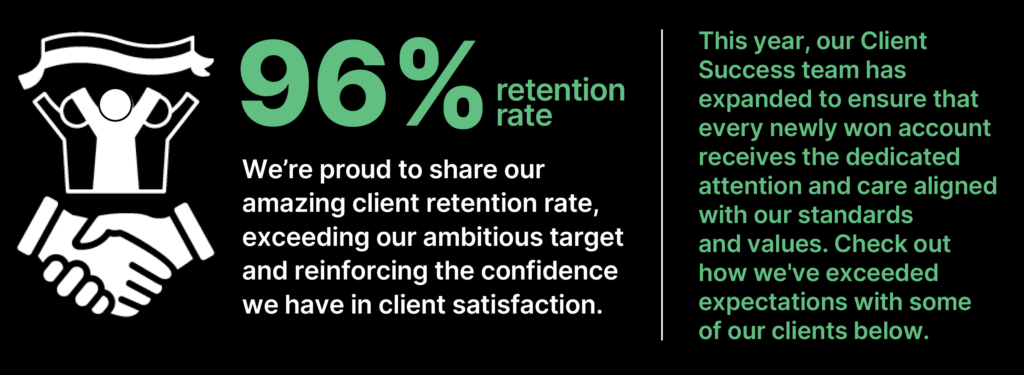
]]> As 2025 comes to a close, we wanted to share a final update before the holiday break and look back at the progress and achievements that have shaped our year.
Our people sit at the heart of everything we do, and these milestones are a reflection of their commitment and energy.
Guided by our values – client proud, stronger together, and advancing everyday – they’ve delivered product updates shaped by your feedback, welcomed talented new colleagues, and invested in training, re-certifications, and charity work – all while successfully launching our incredible rebrand from William Martin Compliance, Elogs, and Prosure360 to Vantify.
From all of us at Vantify, we wish you a happy holiday. Please enjoy our 2025 highlights below!



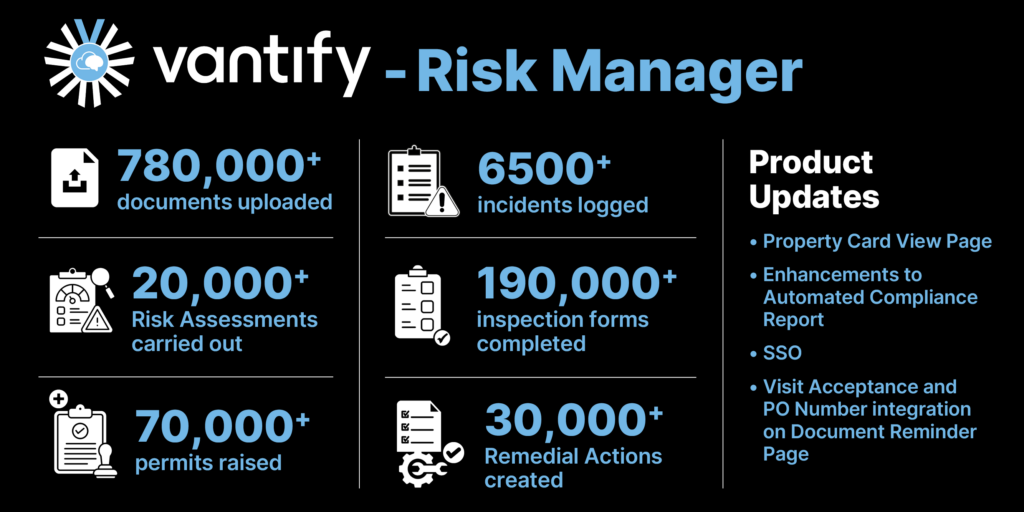
 Our Product Team has spent 2025 delivering a stream of exciting updates shaped directly by client feedback, all while ensuring the smooth, reliable day-to-day operation of our products. Here’s just a snippet of what they’ve achieved and how some of our products are being used.



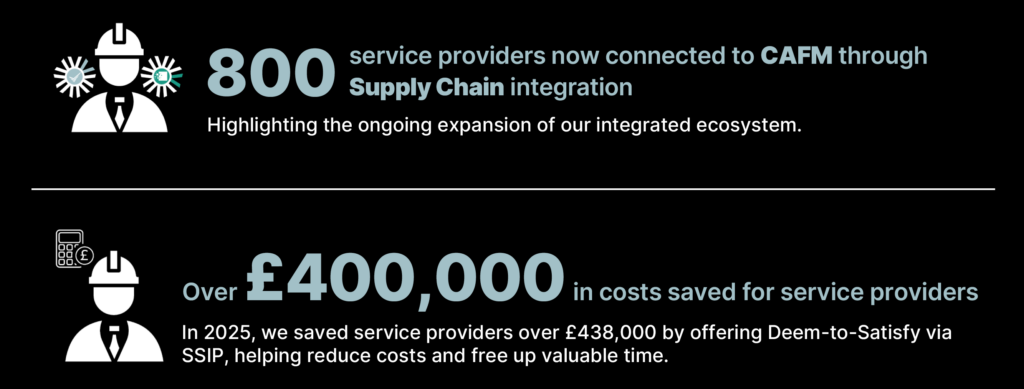
2025 has been another exceptional year for Facilities Services, with our dedicated team providing a first-class service delivery to all of our clients.

 Our Service Desk teams have been working tirelessly to support customers across the board. Through it all, our commitment to excellence ensures that nothing falls through the cracks, helping businesses operate more effectively and boosting overall productivity.


Our Consultancy Team have been providing their expertise, time, and commitment to supporting our clients, helping to keep their people and reputation safe.


Our Sales and Business Development team endeavoured to not only grow the Vantify community, but also their own team.

 2025 was a year of growth and opportunity for our people and new starters, with lots of successful inductions and promotions along the way.
 We remain committed to developing talent, recognising potential and supporting long term careers.
Check out our latest vacancies and find out how you can join the team:
Join Our Expert Compliance & Risk Management Team | Vantify
We remain committed to developing talent, recognising potential and supporting long term careers.
Check out our latest vacancies and find out how you can join the team:
Join Our Expert Compliance & Risk Management Team | Vantify 
Our Supply Chain team have been hard at work this year, ensuring our expertise and product integrations remain unmatched.
The post A special edition to end the year: Vantify Vantage first appeared on Vantify.
]]>The post Too Stressed to Be Safe: Addressing Workplace Stress first appeared on Vantify.
]]>
Too Stressed to Be Safe: Addressing Workplace Stress Among Health and Safety Professionals
Workplace stress is a prevalent issue across all industries, but health and safety (H&S) professionals face a particularly challenging landscape. Their roles require constant vigilance, rapid adaptation to evolving regulations, and the balancing of compliance with operational realities. The stakes are high because decisions made by H&S professionals directly affect employee well-being and organisational compliance. Yet, these responsibilities are often coupled with limited authority and recognition, amplifying stress and increasing the risk of burnout.
This article provides a comprehensive overview of workplace stress as it affects H&S professionals, explores the root causes and consequences, and highlights how technology and strategic leadership can drive meaningful change. It also offers practical guidance for building a compelling business case for investment in health and safety technologies, drawing on the latest research, regulatory frameworks, and industry models.
The Scale and Impact of Workplace Stress
Prevalence and Consequences
Workplace stress is not merely a personal challenge—it is a systemic issue with significant organisational and societal implications.
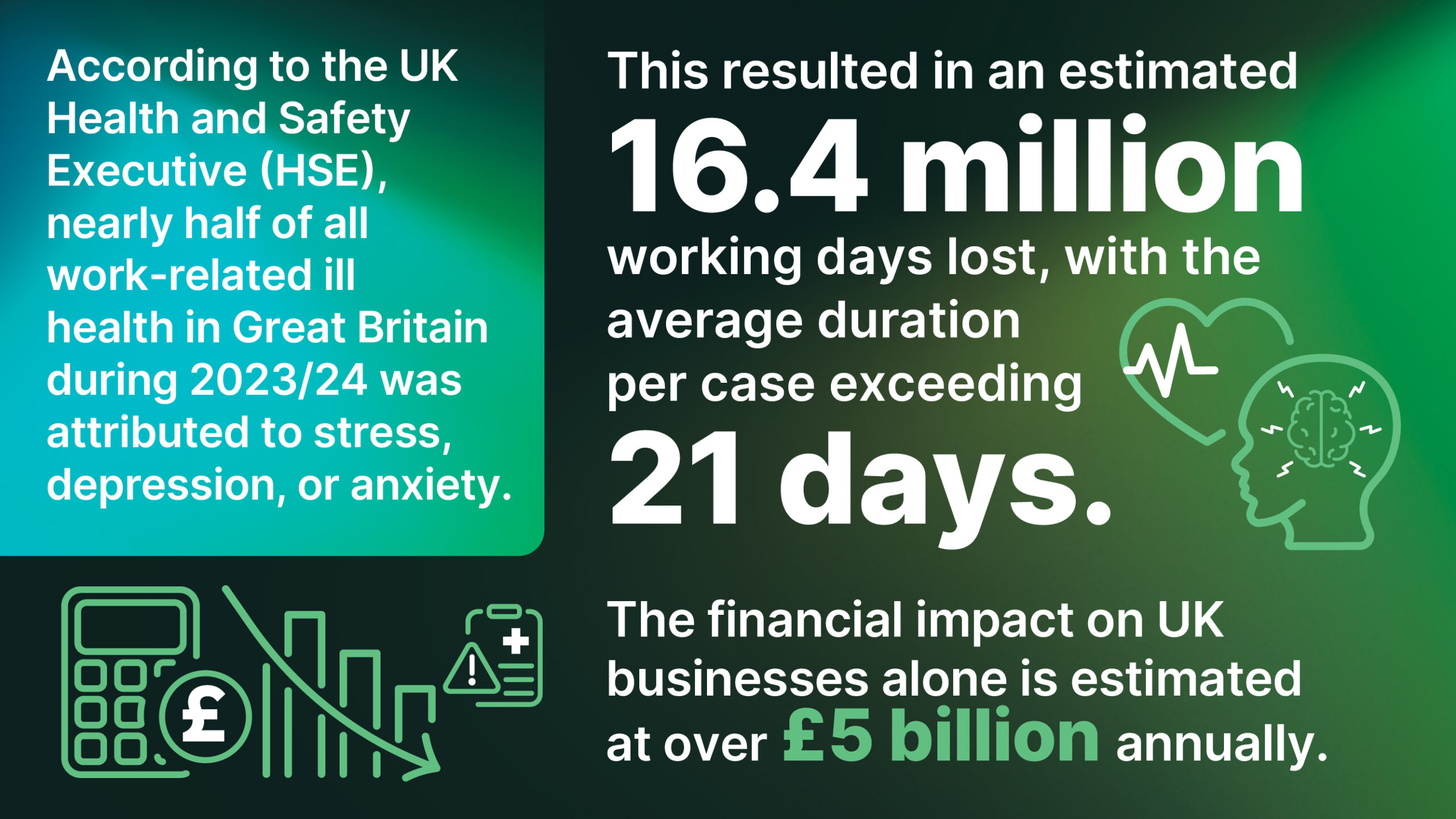
Beyond absenteeism and lost productivity, chronic stress erodes job satisfaction, increases turnover, and can lead to serious health issues. For H&S professionals, stress can compromise decision-making, increase the risk of incidents, and undermine the safety culture they are tasked to uphold.
Unique Stressors Facing Health and Safety Professionals
1. Increasing Regulatory Complexity
H&S professionals must continually interpret and implement new legislation and standards while maintaining existing compliance frameworks. The rapid pace of regulatory change demands ongoing learning and adaptation, often with limited resources.
2. Balancing Compliance with Operational Demands
H&S teams are expected to manage extensive responsibilities, frequently with insufficient support. The pressure to maintain compliance while ensuring business continuity creates role strain and conflicting priorities.
3. Lack of Authority and Recognition
Many professionals feel accountable for safety outcomes without having the decision-making power to enforce necessary changes. This disconnect between responsibility and authority is a major driver of burnout and disengagement.
4. Psychosocial Hazards
Poor role clarity, lack of control, inadequate support, and organisational change are recognised by HSE’s Management Standards as key contributors to work-related stress.
5. Mental Health Pressures
The high prevalence of stress, depression, or anxiety among H&S professionals is exacerbated by financial and workload pressures, especially among younger staff.
6. Resource Constraints
Labour shortages, budget cuts, and rising expectations leave professionals stretched thin, increasing the risk of errors and burnout.
7. Cultural and Generational Shifts
Growing expectations around wellbeing and psychological safety require adaptive approaches and ongoing investment in mental health support.
HSE Management Standards: A Framework for Action
Beyond absenteeism and lost productivity, chronic stress erodes job satisfaction, increases turnover, and can lead to serious health issues. For H&S professionals, stress can compromise decision-making, increase the risk of incidents, and undermine the safety culture they are tasked to uphold.
Preventing work-related stress is not just good practice—it is a legal requirement. Under the Health and Safety at Work Etc Act 1974 and the Management of Health and Safety at Work Regulations 1999, employers must assess and manage stress risks as they would any other health and safety risk.

Technology as a Solution: Reducing Stress and Enhancing Compliance
Technology offers practical solutions to many of the stressors faced by H&S professionals. Digital platforms can automate routine tasks such as incident reporting, risk assessments, and compliance tracking, eliminating time-consuming manual processes.
Real-time dashboards and analytics provide clear visibility into safety performance, enabling faster, data-driven decisions. Not to mention, mobile apps allow on-site teams to capture hazards instantly, improving response times and accuracy. Cloud-based systems also make it easier to ensure seamless document management and regulatory updates, reducing the burden of constant monitoring.
By streamlining workflows and improving communication, technology not only boosts efficiency but also empowers H&S professionals with greater control and autonomy, significantly lowering stress levels.
Making the Business Case for Health and Safety Technology
Technology offers practical solutions to many of the stressors faced by H&S professionals.
Overcoming Barriers
Despite the clear benefits, H&S professionals often face challenges in securing investment for technology:
- Difficulty Quantifying Return On Investment (ROI): Safety investments are often seen as cost centres rather than revenue generators. Indirect benefits like improved morale or reduced stress are harder to monetise.
- Competing Budget Priorities: Technology for safety competes with revenue-driving projects for funding.
- Perception of Compliance as a “Tick-Box”: Some executives view compliance as a regulatory obligation rather than a strategic enabler.
- Lack of Data: Without robust incident data or predictive analytics, managers cannot clearly show cost savings.
- Complexity of Regulatory Landscape: Constantly changing regulations make it difficult to forecast long-term benefits.
- Cultural Resistance to Change: Operational teams may resist new systems, fearing disruption or added workload.
Building a Compelling Case
To construct a compelling business case, H&S professionals should present a balanced view of both human and financial benefits:
- Human Benefits: Reduced stress and burnout lead to improved morale, lower turnover, and enhanced job satisfaction.
- Financial Benefits: Fewer workplace incidents, reduced insurance premiums, and increased productivity. Data from EHS platforms can quantify improvements in compliance and risk mitigation.

The IOSH Business Assurance Model: Benchmarking OSH Maturity
The IOSH Business Assurance Model provides a structured approach to embedding occupational safety and health (OSH) into boardroom decision-making. It helps organisations benchmark OSH maturity and identify areas for improvement that justify investment.
Three Core Elements
- Governance and Leadership
- Systems and Processes
- People and Culture.
Organisations use the Business Assurance Tool for self-assessment, generating dashboards that highlight strengths and gaps. Continuous use ensures progress tracking and alignment with strategic goals. Validation by IOSH leads to a Certificate of Business Assurance, confirming OSH maturity on a scale from 1 to 12.
Conclusion: From Compliance to Transformation
Workplace stress among HS professionals is a complex, multifaceted challenge with far-reaching consequences. However, it is also an opportunity for organisations to demonstrate leadership, invest in their people, and drive sustainable performance.
By adopting structured frameworks like the HSE Management Standards, leveraging technology to streamline processes and empower professionals, and building robust business cases for investment, organisations can move beyond compliance to create resilient, proactive, and transformative safety cultures.
The journey requires commitment from the top, ongoing engagement with employees, and a willingness to embrace innovation. The rewards—improved well-being, stronger performance, and a safer, more sustainable workplace—are well worth the investment.
0203 337 3575
[email protected]
The post Too Stressed to Be Safe: Addressing Workplace Stress first appeared on Vantify.
]]>The post The real challenges behind Building Safety Case Reports – and why so many fall short. first appeared on Vantify.
]]>
The real challenges behind Building Safety Case Reports – and why they fall short.
Building Safety Case Reports are essential for higher risk residential buildings. They prove how well you understand your fire and structural risks – and the steps you’re taking to control them.
But many organisations still find creating a regulator-ready report far harder than expected.
Below, we break down the real-world challenges you’re likely facing, the common reasons reports fail, and the practical steps that help you get it right the first time.
Why Safety Case Reports are so tough in practice
- Missing or incomplete documentation
A strong safety case needs a lot of evidence – from fire strategies to as-built records, surveys, logs, and test certificates. In older or multi-owner buildings, that evidence just isn’t there. Rebuilding it takes time, money, and a disciplined approach.
- Poor data management and gaps in the “golden thread”
Your regulator expects a clear trail: hazard → decision → action → review.
But when data sits in spreadsheets, email chains and contractor portals, nothing lines up. That makes it difficult to prove what happened, when it happened, and who approved it.
- Unclear governance and accountability
Freeholders, managing agents, PRS operators and leaseholders often share responsibilities. When nobody clearly “owns” the safety case, decisions stall and evidence weakens – and the regulator notices.
- Not enough specialist expertise
A credible safety case needs fire engineers, structural engineers, building safety managers, and legal support. Most organisations don’t have this inhouse, and securing the right expertise at scale is a major challenge.
- Legacy design issues, hazardous materials and funding delays
Unsafe cladding, unknown voids or structural complexities make assessments harder – and expensive. Funding disputes or slow remedial decisions can leave serious evidence gaps.
- Limited resident engagement
Inspections and intrusive surveys rely on access. Poor communication, mistrust, or remediation concerns can reduce cooperation, making evidence collection harder.
The main reasons Safety Case Reports fail
- Weak evidence of “reasonable steps”
Statements of intent don’t count. Regulators want documented inspections, surveys, decisions, and proof of completed works.
- Missing or outdated core documents
Typical stoppages include:
- No current fire strategy
- No up-to-date fire risk assessment
- No compartmentation survey
- No structural appraisal
- Missing life safety system certificates
- Without these, the report cannot pass.
- Poor hazard identification or unsupported assumptions
If your scenarios are incomplete – or you rely on untested, optimistic assumptions – assessors will push back.
- Weak governance and unclear roles
Regulators need to see clear accountability: who monitors, who signs off, how decisions are recorded, and how you keep residents informed.
- Breaks in the golden thread
You must be able to show:
A decision → the evidence → the approver → the review date.
Missing signoffs or undocumented decisions are common reasons for rejection.
- No realistic remediation plan
Listing issues isn’t enough.
You need a funded, timed, and accountable plan for reducing risk.
- Weak data quality and verification
Saying “compartmentation is adequate” doesn’t work.
Regulators expect intrusive inspections, photographs, and verified test results.
- Scale and speed pressures
Early industry feedback shows high rejection rates – often because organisations underestimated the depth of evidence required.
Practical steps to reduce the risk of failure
- Build a simple, disciplined goldenthread structure with clear version control.
- Prioritise intrusive surveys for the biggest unknowns.
- Record every resident engagement attempt, even when access isn’t granted.
- Create a one page governance map: accountable roles, duties, escalation, and funding.
- Bring in experienced, multidisciplinary teams early. It’s always cheaper than a failed submission.
Consultancy Director Derrick Milligan comments
“Safety Case Reports are no longer a formality. They’re live, auditable proof of how well you understand your building – and how committed you are to keeping people safe. Success comes from honest discovery, proper resourcing, and a disciplined goldenthread approach that connects decisions, evidence, and accountability”.
How we help at Vantify
We work closely with clients to create thorough, regulator ready Safety Case Reports that stand up to scrutiny.
Our Senior Fire Consultancy team leads a proactive, collaborative process – helping you secure Building Assessment Certificates with confidence and clarity.
0203 337 3575
[email protected]
The post The real challenges behind Building Safety Case Reports – and why so many fall short. first appeared on Vantify.
]]>The post Framework for Competence of Individual Fire Risk Assessors first appeared on Vantify.
]]>
Framework for Competence of Individual Fire Risk Assessors. Code of Practice. BS 8674:2025
This British Standard sets out a framework for assessing and assuring the competence of individual fire risk assessors operating in the built environment. It provides performance-based criteria that can be used to determine whether an individual is suitably competent to carry out fire risk assessments in a wide range of occupied buildings.
It focuses on what knowledge, experience, and behaviours an individual must have to be deemed competent to carry out those assessments effectively.
The Standard is in response to the UK government’s pledge to fulfil one of the key recommendations made in the Grenfell Tower Inquiry Phase 2 Report—also detailed in the government’s document Implementation Timeline for Grenfell Tower Inquiry Recommendations, which was published at the end of September. Recommendation 26 for a mandatory accreditation system for fire risk assessors was accepted by government in full, to ensure the competence of all those who offer their services as fire risk assessors. As such, fire risk assessors will have their competence verified by a United Kingdom Accreditation Service (UKAS) accredited certification body. In its Implementation timeline document, the government has suggested a consultation will be launched with a view to introducing legislation between 2027 and 2029.
Government has also commented that it will set out its delivery plans and key milestones for this recommendation by the end of this year—see the policy paper Progress Report: Summary Update. BS 8674:2025 is intended for a wide range of stakeholders across the built environment, including individual fire risk assessors who need to demonstrate and maintain competence, responsible Persons under the Regulatory Reform (Fire Safety) Order 2005 and Building Safety
Act 2022, who are legally obligated to ensure those they appoint are competent, and employers, dutyholders, and building owners / managers seeking assurance that assessments are being carried out by qualified professionals.
It is applicable across multiple sectors, including residential, commercial, public venues, care homes, education, and healthcare facilities—anywhere that fire safety and building occupancy intersect.
0203 337 3575
[email protected]
The post Framework for Competence of Individual Fire Risk Assessors first appeared on Vantify.
]]>The post Review of Lifting and Pressure Systems Regulations first appeared on Vantify.
]]>
The HSE has called for evidence to review the Lifting Operations and Lifting Equipment Regulations (LOLER) and the Pressure Systems Safety Regulations (PSSR).
Views are sought from companies (manufacturers, importers, suppliers) and users / owners, dutyholders, and any other organisation holding relevant information / experience.
The exercise aims to establish a comprehensive evidence base to inform viable opportunities for simplifying and streamlining regulatory processes. The review will reflect the current industry landscape, anticipate future innovation, and maintain workplace health and safety standards.
The HSE has commented that initial assessments suggest LOLER and PSSR are generally founded on sound engineering principles, reflect well-established practices, and are deeply embedded across a wide range of sectors. However, it also recognises that the emergence of new technologies introduce new risk profiles.
HSE’s review is part of the organisation’s wider response to the government’s plans to support growth through the Regulation action Plan.
The call for evidence aims to identify any unnecessary administrative or financial burdens that do not meaningfully contribute to risk reduction, assess whether regulations have become outdated in practice, and explore opportunities for reform that could enhance regulatory clarity, foster innovation, and support economic growth.
- 0203 337 3575
- [email protected]
The post Review of Lifting and Pressure Systems Regulations first appeared on Vantify.
]]>The post Legislative and guidance proposals for the ‘Control of asbestos regulations 2012’ first appeared on Vantify.
]]>
The HSE has launched a consultation on proposals to improve the application of the Control of Asbestos Regulations and guidance around asbestos management to help protect workers and building users.
The consultation is intended for all those engaged in the asbestos regulatory system – in particular dutyholders, asbestos analysts, asbestos removal contractors (including licensed) and asbestos surveyors. It is also relevant to associated professions, including facilities management and construction. Certain proposals, however, may apply more specifically to particular roles than to others.
There are three proposals put forward in the consultation document, both regulatory and non-regulatory:
Regulatory
- To amend the Control of Asbestos Regulations 2012 and associated guidance to ensure the independence and impartiality of roles in the four-stage clearance process to minimise the risk of exposure from asbestos to workers and building users after the removal of asbestos.
Non-regulatory
- To drive up the standard of asbestos surveys by improving guidance and using other interventions to ensure dutyholders understand the critical role of an asbestos survey in managing asbestos risk; and are equipped to commission a quality survey from a competent asbestos surveyor or organisation.
- To improve guidance and use other interventions to clarify the type of work that constitutes work with asbestos known as Notifiable Non-Licensed Work (NNLW).
Comments should be sent by 9 January 2026.
- 0203 337 3575
The post Legislative and guidance proposals for the ‘Control of asbestos regulations 2012’ first appeared on Vantify.
]]>The post Our Successful Recertification to the BAFE SP205 first appeared on Vantify.
]]> Our Successful Recertification to the BAFE SP205 Life Safety Fire Risk Assessment Scheme (Version 5.1)
We’re delighted to share that Vantify Consultancy has successfully completed its independent audit and recertification to the BAFE SP205 Life Safety Fire Risk Assessment Scheme (Version 5.1).
This achievement is more than a compliance milestone, it’s a reaffirmation of our commitment to trusted, competent life safety fire risk assessment (FRA) services and the confidence that our clients, residents, and partners place in us every day.
What This Certification Means
The BAFE SP205 scheme is the UK’s recognised quality benchmark for organisations that undertake life safety fire risk assessments.
It provides independent third-party verification that both the organisation and its assessors operate under a robust quality management system, with processes, training, supervision, and validation designed to ensure that every fire risk assessment is carried out competently, consistently, and impartially.
By achieving recertification to Version 5.1, our organisation has demonstrated that we continue to meet and exceed the demanding requirements of the scheme.
This includes verification of:
- Our documented management system for delivering fire risk assessment services
- The competence and ongoing professional development of our Fire Risk Assessors and Validators
- Our commitment to impartiality, independence, and ethical practice
- Our continual improvement through regular internal audits, reviews, and updates aligned to current UK fire safety legislation
It’s a thorough process, and that’s exactly what makes it meaningful.
BAFE certification isn’t a simple tick-box exercise. It’s an external assurance that our team and processes have been examined, challenged, and verified by independent experts against an established national standard.
Why Third-Party Certification Matters
In the world of fire safety, competence saves lives.
Since the Grenfell Tower tragedy, there has been a significant national focus on ensuring that those who assess, design, and manage buildings for fire safety are competent and accountable.
The BAFE SP205 scheme plays a crucial role in that journey. It offers a trusted, recognised route for responsible persons and duty-holders to identify reliable, independently certificated providers.
When you appoint a BAFE SP205 certificated organisation, you are selecting a provider who has been externally verified as competent, not just self-declared.
For clients and building owners, this provides peace of mind that their legal duties under the Fire Safety Order and Building Safety Act are being supported by a credible, quality-assured partner.
For us as an organisation, it reinforces our reputation as a dependable, technically capable, and compliant service provider.
Aligning with Competence and Regulation
The recent publication of BS 8674:2025 – Built environment. Framework for competence of individual fire risk assessors further raises the bar for competence within our sector.
While BAFE SP205 Version 6 will embed the principles of BS 8674 into its requirements, our recertification to Version 5.1 ensures we are already well aligned with its intent.
Our Validators/Lead Fire Risk Assessors are committed to continuous professional development and reflective learning.
We maintain detailed competence records, performance monitoring, and quality reviews, all of which form part of our certification evidence.
This ensures that each assessment we deliver is undertaken by an appropriately skilled and experienced individual, with oversight and validation from a senior competent person.
In short, BAFE certification helps us turn competence from a statement into a system, something that is demonstrated, auditable, and measurable.
What This Means for Our Clients
For our clients, whether housing providers, managing agents, facilities teams, or private landlords, our continued BAFE certification provides several tangible benefits:
- Confidence in compliance
You can demonstrate due diligence by appointing a BAFE SP205 certificated organisation, helping you meet your legal obligations under the Fire Safety Order and Building Safety Act. - Assurance of competence
Every assessment is carried out by an assessor whose competence, training, and ongoing CPD have been reviewed and validated under an accredited scheme. - Quality and consistency
Our quality management system ensures every fire risk assessment follows a structured process, delivering clear, evidence-based findings and proportionate recommendations. - Transparency and accountability
BAFE certification requires us to maintain records, audit trails, and client communication protocols that demonstrate openness and accountability at every stage. - Continuous improvement
Each year’s audit is an opportunity to learn, develop, and refine our processes, ensuring we stay ahead of evolving standards, legislation, and client needs.
Our Team’s Role in Success
We want to thank every member of our fire safety team, from our fire safety consultants and FRA validators to our quality assurance manager and administrative support staff, for their hard work throughout the audit process.
BAFE SP205 certification is a team achievement.
It depends on the diligence of those who plan, carry out, and validate assessments; the integrity of those who check and review our work; and the commitment of our leadership to invest in training, technology, and continuous improvement.
This year’s audit once again demonstrated the professionalism and technical excellence of our assessors, the robustness of our internal systems, and our shared dedication to protecting life safety.
Building Trust through Transparency
We believe that certification should not be hidden behind compliance documents, it should be visible to clients, residents, and partners.
That’s why our BAFE certification mark is displayed on our reports, and communications.
It’s a symbol of trust.
It says that our work has been scrutinised, our people have been assessed, and our processes have been verified.
In a sector where anyone can claim to be a “competent assessor”, independent verification is what separates genuine professionalism from mere assertion.
Our clients can be confident that every fire risk assessment we produce stands up to external review, not just internal assurance.
Looking Ahead
As the industry transitions toward the new Version 6 of the BAFE SP205 Scheme, we are already preparing to meet its enhanced expectations.
This includes mapping our team’s competence profiles to the BS 8674 framework, aligning training plans to regulated qualification levels, and reviewing our internal quality systems against the forthcoming scheme requirements.
Our goal remains clear: to be at the forefront of competence, compliance, and client assurance within the UK fire risk assessment sector.
We see recertification not as the end of a cycle, but as the start of the next phase of improvement.
Each audit strengthens our systems, informs our training, and reinforces our purpose, to help our clients manage fire risk effectively and protect life, property, and reputation.
A Message to Our Clients and Partners
Thank you for your continued trust in Vantify Consultancy.
Your confidence in our team motivates us to maintain the highest standards of competence and service.
Our renewed BAFE SP205 certification provides reassurance that when you work with us, you are partnering with a provider that has been rigorously and independently assessed against nationally recognised standards.
Together, we can continue to improve building safety, strengthen compliance, and deliver the peace of mind that comes from knowing fire risk assessments are carried out by a truly competent and certified organisation.
Vantify specialises in providing expert fire safety consultancy services to help businesses mitigate risks and demonstrate compliance with fire safety regulations. Discuss your needs with us today.
0203 337 3575
The post Our Successful Recertification to the BAFE SP205 first appeared on Vantify.
]]>