
What are the major trends we are currently seeing in the beverage industry, and how do you think they will shape the market over the next 5 to 10 years?
Tom Lex: Over the last several years, we’ve seen that traditional carbonated soft drink (CSD) customers no longer fit into a “one size fits all” category. In the past, there were high runners throughout the industry, but today, trends are changing rapidly and often short-lived. Beverage manufacturers need to be agile, and this means having equipment that can quickly adapt. There’s a growing need for smaller production runs, and technology for faster changeovers is crucial. It’s not just about high-volume CSDs anymore—there’s a wide variety of new beverages with different flavors, and this is impacting how OEMs, manufacturers, and marketers operate.
Sustainability has become a crucial factor in manufacturing. How is TechniBlend addressing the growing demand for environmentally friendly processes and technologies?
Tom Lex: TechniBlend has always prioritized sustainability. Water reduction has always been a major focus, and energy savings as well. One of our innovations was the implementation of dry vacuum pumps, which eliminated the water wasted in traditional liquid ring pumps. We’ve also optimized the rinsing processes during changeovers. For instance, depending on which products are loaded into the recipe editor and their degree of pungency, we automatically adjust the rinse time to only use the water necessary to remove any residual flavor. This is different from the past as traditionally most systems had a fixed rinse time between all flavor changes. This allows our customers to save water and energy. Additionally, we are exploring technology which can reduce chemical usage and rinse times in the CIP processes, further enhancing sustainability.
Consumer preferences are shifting rapidly, with a rise in demand for healthier and functional beverages. How is TechniBlend adapting its technology to meet these evolving consumer needs?
Tom Lex: We’re seeing consumers demanding more than just hydration. They’re looking for beverages that provide health benefits, such as vitamins, probiotics, and supplements for immune and gut health. TechniBlend is preparing for this by designing equipment that can microdose these ingredients. We’re also retrofitting existing machines to accommodate these trends, ensuring manufacturers can adjust quickly to changes in consumer preferences without needing entirely new systems.
What technological innovations are you most excited about in the beverage processing industry, and how is TechniBlend positioning itself at the forefront of these advancements?
Tom Lex: TechniBlend has been at the forefront of innovation for 16 years, and some of the most exciting developments we’re working on are also the most challenging. One example is our TA blending device for low-brix/Diet beverages, which helps ensure high-quality output and maximizes syrup yield. Another exciting technology is our nanobubble carbonation system. This significantly reduces the energy needed for CO2 injection and beverage chilling, while also eliminating the need for tunnel warmers, saving both energy and space.
Automation and efficiency are key to maintaining competitiveness. What steps is TechniBlend taking to enhance these aspects in its product offerings?
Tom Lex: We’ve integrated analytics and automation into our equipment to improve efficiency. For example, we track the entire blending process, from syrup room operations to filler performance, and provide data analytics to customers. This allows us to identify bottlenecks, like waiting for operators to press buttons, and helps optimize the entire production line, not just our equipment. These insights are invaluable in reducing downtime and improving changeover times, particularly for customers dealing with shorter production runs.
The global supply chain has faced significant challenges in recent years. How has TechniBlend navigated these issues, and what strategies have you implemented to ensure consistent product delivery?
Tom Lex: During the global supply chain crisis, especially during COVID, we anticipated the challenges and took proactive steps. We increased inventory and established preferred supplier agreements to ensure a steady supply of components. These agreements allowed our vendors to hold stock, reducing the burden on us while maintaining availability. As a result, we didn’t miss a single delivery deadline due to waiting on components, even as other companies struggled with extended lead times.
Digital transformation is impacting all industries. How is TechniBlend leveraging digital tools and data analytics to improve its processes and customer experience?
Tom Lex: In 2019, we began integrating remote connectivity into all our equipment. This has two main benefits: it allows us to assist customers quickly, reducing the need for expensive service visits, and it enables us to monitor the equipment in real-time, offering remote training or troubleshooting. We can also help customers activate features they may not have initially used, ensuring they get the most out of their equipment.
Regulatory requirements are becoming increasingly stringent. How does TechniBlend ensure its equipment and processes meet these evolving standards across different markets?
Tom Lex: We take compliance very seriously. We have a UL-certifiable panel shop that is audited regularly, and we follow local codes, including CSA compliance for Canadian markets. We also consult with experts in specific industries, such as spirits and hazardous environments, to ensure our equipment meets all necessary safety standards.
How important are partnerships and collaborations in TechniBlend’s strategy, and what types of partnerships do you see as critical for driving future innovation and growth?
Tom Lex: Partnerships with our customers are essential. Many of our innovations come from direct feedback from the people using our equipment. Maintaining strong relationships allows us to understand their pain points and develop solutions that drive the industry forward. Staying close to customers is crucial for continuous improvement and innovation.
Looking ahead, what are your strategic priorities for TechniBlend in the next three to five years, and where do you see the most significant growth opportunities?
Tom Lex: We’re focusing on leveraging our growing engineering team to explore new products and industries. We’re expanding our reach into sectors like personal care, liquid foods, and household chemicals by offering our process and automation expertise. Another key growth area is offering controls as a standalone product, allowing us to enter industries that might not need our traditional equipment but could benefit from our control systems.
]]>
In the realm of beverage production, where precision meets innovation, the spotlight is now shining on hot-fill technology. This cutting-edge method has not only transformed the way we package non-carbonated beverages but has also become a cornerstone for companies striving for excellence. In this journey of evolution, one name stands out: TechniBlend. Let’s delve into the myriad benefits of hot-fill technology, with a special focus on the revolutionary blending and filling solutions offered by TechniBlend.
Preserving the Essence with TechniBlend Blending Technology
- Customized Blending Solutions: TechniBlend’s state-of-the-art blending technology allows beverage manufacturers to create precise and consistent blends. Whether it’s juices, teas, or other non-carbonated beverages, the system ensures that the original essence of each ingredient is preserved, delivering a product that tantalizes the taste buds.
- Enhanced Flavor Integrity: The blending technology from TechniBlend goes beyond mere mixing; it’s a delicate dance that maintains the integrity of flavors. This is particularly crucial for beverages that rely on the subtlety of natural ingredients, ensuring that the end product mirrors the richness intended by the creators.
Filling Brilliance with TechniBlend Hot-Fill Technology
- Temperature Precision: Hot-fill technology, coupled with TechniBlend’s expertise, ensures that beverages are filled at the perfect temperature. This not only safeguards against potential contaminants but also serves as a natural preservative, eliminating the need for excessive additives.
- Extended Shelf Life: The combination of hot-fill technology and TechniBlend’s filling solutions results in a product with an extended shelf life. This not only reduces waste but also allows for broader distribution, reaching consumers far and wide.
Sustainability in Focus
- Reduced Environmental Impact: TechniBlend’s commitment to sustainability aligns seamlessly with the environmental benefits of hot-fill technology. The lightweight packaging required in this process, combined with energy-efficient production, exemplifies a holistic approach to minimizing the industry’s ecological footprint.
- Energy-Efficient Practices: TechniBlend’s blending systems and filling solutions are designed with energy efficiency in mind. This not only translates to lower operational costs for manufacturers but also reflects a dedication to sustainable practices.
Operational Efficiency Unleashed
- Streamlined Production: TechniBlend’s technology is engineered to streamline production processes. The precision in blending and filling ensures a smooth, continuous flow on the production line, maximizing efficiency and minimizing downtime.
- Adaptability and Flexibility: The flexibility offered by TechniBlend’s technology enables manufacturers to adapt swiftly to changing market demands. Whether it’s altering recipes or adjusting production volumes, the system is designed to provide a seamless experience.
Consumer Confidence and Convenience
Consistent Product Quality: With TechniBlend’s blending precision and hot-fill technology, the end product is not only consistently high in quality but also maintains its freshness and taste, meeting and exceeding consumer expectations.
In conclusion, the partnership of hot-fill technology with TechniBlend’s blending and filling solutions heralds a new era in non-carbonated beverage production. From preserving flavors and extending shelf life to championing sustainability and operational efficiency, this collaboration is a testament to the industry’s commitment to excellence. As we raise our glasses to the future of beverage manufacturing, it’s clear that with TechniBlend, every sip is a celebration of craftsmanship and innovation.
]]>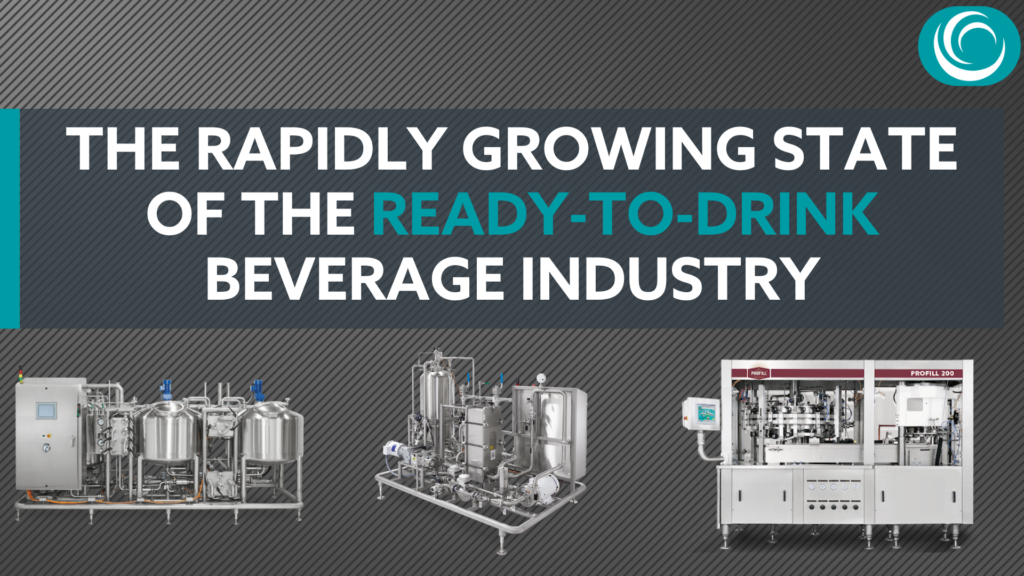
The ready-to-drink (RTD) beverage industry has experienced remarkable growth and transformation over the years. With consumers increasingly seeking convenience and on-the-go refreshment, the RTD market has evolved to cater to their diverse needs and preferences. From classic carbonated soft drinks to functional beverages and artisanal concoctions, the industry continues to push boundaries and innovate, making it a dynamic and exciting sector to watch.
Here are, in my opinion, the top drivers of the current RTD market:
Shifting Consumer Preferences:
The driving force behind the RTD beverage industry’s evolution is changing consumer preferences. Today’s consumers demand more than just thirst-quenching drinks; they seek functional benefits, healthier options, and unique flavor profiles. As a result, companies are investing heavily in research and development to create products that align with these preferences. From natural and organic ingredients to low-sugar formulations, the industry is adapting to cater to health-conscious consumers.
Diverse Product Range:
Gone are the days when RTD beverages were limited to soda and fruit juices. The industry has diversified its product offerings to include an array of exciting options. Energy drinks, iced teas, coffee-based beverages, plant-based milk alternatives, and even sparkling water have gained immense popularity. Consumers can now find a ready-to-drink option to suit their specific taste preferences and dietary requirements.
Functional and Wellness Beverages:
The rising health and wellness trend has significantly influenced the RTD industry. Functional beverages, enriched with vitamins, minerals, antioxidants, and other beneficial ingredients, are gaining traction. Whether it’s probiotic-infused drinks for gut health, protein-based options for post-workout recovery, or beverages with adaptogens for stress relief, companies are tapping into the growing demand for products that support overall well-being.

How can I, as a beverage producer, keep up?
The task of keeping pace with ever-changing consumer demands can be daunting. So, beverage producers may be asking themselves,
“How can I launch or enhance an RTD beverage line to keep up with all of these trends?”
The answer is simple, your organization needs customized equipment that can adapt as you expand your product offerings. This is exactly where TechniBlend and our team of beverage experts shine. From blending, carbonating, pasteurizing, and filling, TechniBlend’s advanced blending systems can help you breakthrough the rising ready-to-drink market.
Let’s start with blending:
TechniBlend’s latest Batching & Blending system is designed to create multiple streams of product utilizing our patented injection and dispersion components alongside high accuracy mass flowmeters quickly and easily. The system is available with integrated deaeration, product cooling, in-line carbonation, CIP On-Demand, and many other TechniBlend solutions to help you craft the best possible RTD.

Next up, carbonating:
One of the largest taste trends with today’s RTD market is the use of carbonation to add that crisp, bubbly taste to the beverage. Carbonation can often be a difficult process to accomplish consistently. However, using our carbonation solutions, beverage makers everywhere have experienced a drastic increase in efficiency.
ProCarb inline carbonation technology enables beverage producers to carbonate and nitrogenate their products 500% faster than the natural process. Whether you need a portable or inline carbonator, TechniBlend will work with your team to provide the best possible solutions to produce your RTD.

Do you have an effective pasteurization process?
Are you planning on using fruit flavors, creating multiple juices, teas, kombuchas and more? TechniBlend’s line of FlashPasteurizers can introduce these flavors and create your exact beverage consistently.
FlashPAS systems range in speeds from 10 – 200 gallons per minute with optional triple hold times. Our systems utilize state-of-the-art processes to rapidly heat and cool your products, effectively eliminating harmful microorganisms while preserving their original flavors and nutritional value. This is crucial in the production of ready-to-drink beverages.

Finally, canning your beverage:
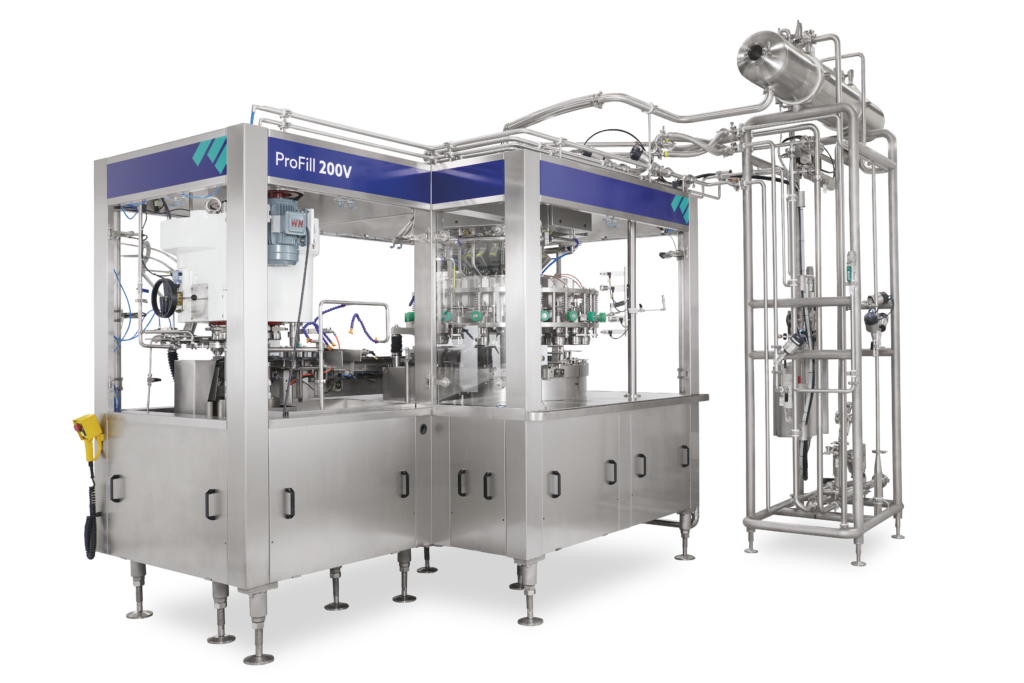
RTD producers can easily fill and seam their beverage into any sized can using our ProFill Rotary Can Filler. Ranging from 100-600 cans per minute, our can fillers can be modified to fit your organization’s current output while also keeping future growth in mind. Rotary filling also keeps product integrity front of mind with little dissolved oxygen pickup (<30ppb) using our system.
TechniBlend is a beverage producers’ best option when it comes to producing or enhancing an RTD beverage for consumers. We pride ourselves on engineering excellence that focuses on what our partners need both now and in the future.
If you have any questions or would like to follow up with me, please email me at [email protected] or visit https://go.techniblend.com/RTD for more information.
About the Author

Chad Urlaub, Director of Business Development, Wine and Spirits – Chad is an industry subject matter expert with a wide variety of experience. He has been instrumental in numerous projects with an array of solutions and machinery. Chad prides himself as an expert on all things blending, carbonating, filling, and everything in-between.
]]>
What’s next? These two words carry immense impact in the brewing space, an industry that is constantly innovating and experimenting to produce the next great tasting drink for customers to enjoy. And while the flavors and trends may come and go, one thing remains constant, the commitment to creating something extraordinary.
That is why when it comes to equipment and operational procedures, breweries need customization, not something that is essentially “off the rack”.
New markets lead to additional opportunities
New flavors and trends can potentially leave gaps for breweries trying to expand their offerings. A brewery will most likely always have a flagship IPA, lager, stout, etc. but what about the part of your client demographic that does not like these flavors? If an alcohol consuming customer walks through your doors, is there a possibility they look at your menu and not want anything? What about the individuals who love the taste of beer but are not looking to feel the effects of alcohol?
Raised Grain Brewing in Waukesha, WI asked themselves the same questions. They built their brand on great tasting traditional craft beers but saw the opportunity to expand their product line to make sure that everyone who walked through their door could enjoy one of their products. They turned to ProBrew’s Alchemator . The Alchemator can pull the alcohol and water from the feed beverage creating a Hard Seltzer base. By adding carbonation and flavoring to the alcohol water base, you can easily create a crystal-clear hard seltzer or N/A beer without compromising your beverage’s unique characteristics.
“If you’d asked me five years ago, as we were writing the business plan, if we were going to be brewing a clear hard seltzer, I would have laughed and told you about some IPA we wanted to do,” Nick Reistad, COO at Raised Grain admits. “We want to be welcoming to everybody that chooses to come in [to our taproom], but not everybody drinks beer, and that’s just the reality,” Reistad explains. “Now, we’re embracing it and using it as an opportunity to reach more people with our brand.”
Capitalizing on New Flavors
Dragon fruit, elderberry, prickly pear. These are all ingredients that no one pictured coming to relevance even five years ago in the brewing industry. With the growing popularity of different fruit-flavored sours, desert craft beers, and RTD-cocktails, it is now time for breweries to expand and experiment.
ProBrew developed its latest line of HTST (High-Temperature, Short-Time) Flash Pasteurizers dubbed “FlashPAS” to meet craft brewer’s needs. These inline systems run 5 – 30 gallons per minute with options for up to 3 different hold times and can be easily paired with a ProCarb carbonation system.
During the pasteurization process, the beer passes through a heat exchanger where it is heated to 158°F–162°F (70°C–72°C) for the desired time, then glycol swiftly cools it back down enough for packaging. The beer is never exposed to oxygen, meaning the beer maintains industry-low DO levels throughout the course of pasteurization. This process eliminates unwanted, harmful microorganisms in the beverage to safeguard product quality and shelf life, guaranteeing a great tasting final product.
Case closed: Unique Brewing Calls for Customized Equipment
ProBrew believes that each craft beer reflects the hard work and long hours that each individual brewer puts in. That is why we are equally committed to providing customized equipment and solutions for what a brewery needs at this precise moment. From brewing to fermenting to carbonating and can filling, ProBrew’s customizable equipment empowers breweries to expand operations at their own pace.
If you’d like to further the conversation, fill out our form and a representative will be in touch as soon as possible! Otherwise, feel free to email us at [email protected] or call 262-278-4945.
About the Author:

Derek Deubel, Founder and Vice President
Derek has dedicated his career to developing some of the most innovative technologies to advance the beverage processing industry. Founding TechniBlend in 2008 and ProBrew a few years later, he has been an industry pioneer and trendsetter. Derek will be sharing his vast range of knowledge through commentary on industry trends on the Beverage Processing Post.
]]>
One of the top wine and spirits producers is quickly expanding into the ready-to-drink (RTD) beverage market, and they’re using TechniBlend’s superior equipment and technology to do it.
The global beverage company kicked off their expansion plans in the summer of 2021 with a $4.5 million investment in beverage processing equipment from TechniBlend that will allow them to produce a brand-new line of canned RTD cocktails from start to finish.
Comprehensive systems & technology
The beverage giant purchased a custom-designed TechniBlend Ingredient & Concentrate Batching System and a TB-404, 4-Stream Blend System. The combination of these TechniBlend systems is well known in the beverage industry for its precise ratio control and variable speeds that generate continuous production at a high rate of speed.
The beverage company followed up their new batching & blending systems with other key pieces of RTD equipment engineered by TechniBlend including a Membrane Deaerator, Flash Pasteurizer, and two CIP OnDemand systems.
TechniBlend will test every system in their all-new facility before shipping the equipment, which is set to be delivered at the end of Spring 2022. Following installation, the TechniBlend team of service professionals will initiate onsite training and startup of each system, ensuring the customer is running at peak performance.
Why choose TechniBlend?
This is a first-time partnership for TechniBlend and the global beverage maker, who were introduced by a mutual business partner.
Several factors sealed the deal, including TechniBlend’s proven reputation for professionalism, reliability, and commitment to customer success on similar projects with other large scale beverage manufacturers. TechniBlend’s high-quality beverage processing systems offer customers improved production speed and efficiency; superior systems and service; and a more consistent final product.
At TechniBlend, we’ve proven our capabilities in service to Fortune 500 beverage companies through our innovative technology and equipment. Contact us to help your company expand into the ready-to-drink market with industry-leading beverage systems and solutions.
]]>
As consumers continue to thirst for ready-to-drink (RTD) cocktails, beverage producers are eager to grab their share of an expanding market – one that shows no signs of slowing down. In fact, according to Grand View Research, the global RTD cocktails market is expected to see a compound annual growth rate of 12.1 percent through 2027.
But taste and eye-catching packaging aren’t enough to stay competitive. With such a crowded playing field, companies are looking for the most efficient and cost-effective ways to make their products.
Finding a partner in pasteurization
Fabrizia Spirits in Salem, NH, asked TechniBlend and its sister company, ProBrew, to develop a highly efficient pasteurizing system for their new line of premium, 100% natural RTD canned cocktails. Fabrizia Spirits did their research and found that many flash pasteurizers on the market have trouble maintaining carbonation levels after pasteurization, but TechniBlend’s systems offered integrated ProCarb inline carbonation technology that allows for stable, consistent and repeatable gassifcation after pasteurization.
The result was the creation of the new FlashPAS-10, a fully-automated, easy to use, inline HTST flash pasteurizer with integrated ProCarb technology. The system has and the option for multiple hold times to quickly and effectively pasteurize all the different styles of RTD cocktails Fabrizia has to offer.
Fabrizia executives are pleased
The FlashPAS-10 delivers unprecedented pasteurization technology, including precise pasteurization unit control for a variety of bottled, canned or kegged products. The fully automatic, stainless steel, skid-mounted pasteurizer incorporates the latest PLC control technology to deliver a high-level of control and accuracy. Systems are available in a variety of sizes and modifications for production speeds ranging from 10 to 200 gallons per minute.
With the FlashPAS-10, Fabrizia has instant and efficient thermal pasteurization control, which provides energy and cost savings without sacrificing a drop of product quality. Cheers to their continued success!
Contact us to learn how FlashPAS-10 can help modernize and improve your pasteurization processes.
]]>As Loughrey explains it, TechniBlend never mirrors what other manufacturers are doing. Instead, the company is always pushing the envelope in the fields of carbonation, blending, filtration and deaeration.
“TechniBlend is constantly innovating,” says Loughrey. “And that’s a good thing! By that I mean, once we develop and debut a new or improved technology, it’s back to the drawing board to see how we can make it even better.”
New LoDO technology is changing the game
As beverage companies seek to increase profits through new products and improved means of production and distribution, TechniBlend engineers have been refining the ability to deaerate syrup prior to blending it with deaerated water. And according to Loughrey, it’s opened up yet another avenue toward improving the production quality for his customers.
“Our latest blending equipment featuring new ‘LoDO’ (low dissolved oxygen) technology can blend anywhere from 2–14 product streams while maintaining industry-low oxygen levels,” explains Loughery. “Not only does this reduce foaming during packaging, it also increases product quality and shelf life. Our LoDO technology can really be a game-changer.”
Technical evolution is the key
As beverage manufacturers eagerly diversify their product offerings to appease consumer demands, Loughrey believes it’s going to be critical for them to continually reassess their production capabilities as well. Keeping up in an ever-competitive and dynamic industry demands it.
Loughrey concludes, “Sometimes it’s not easy to tell where creativity is going to take you, and the beverage industry, while maintaining its core staples, is always reinventing itself. Fortunately, TechniBlend will be right there to help make it even better.”
You can find part one of our conversation with Brian Loughrey HERE as he touches on current trends in the beverage production market. Also, be sure to connect with Loughrey on LinkedIn, and drop him an email to discuss your company’s specific beverage production needs.
]]>As Loughery attests, there’s been quite a stir within the beverage industry during the past year as beverage consumption patterns and consumer purchasing habits have shifted. According to Loughrey, beverage producers are going to market with a greater variety of products than ever before in order to meet increased demand.
Product & Process Investments
“Companies are investing heavily in cannabis and THC-infused drinks,” Loughrey explains. “They are marketing healthier, all-natural options, many featuring low sugar and zero calories. Ready-To-Drink (RTD) cocktails are also really hot right now among consumers, as are the many new varieties of coffee drinks on the market.”
The push for new and varied product lines has kept TechniBlend hard at work. Many breweries, wineries and beverage production facilities, both large and small, need improved processes, speeds and capabilities to keep up with demand – and their competition.
And that’s often where Loughrey comes in, helping beverage companies step up their collective production efforts.
“I really enjoy that problem-solving aspect,” Loughrey says. “The group meetings and assessments, it’s all very stimulating work. Helping companies find ways to improve their overall processes, while challenging, is also extremely rewarding. Fortunately, at TechniBlend, we’re also backed by an expert team of engineers, and they’re tremendous at creating the innovative, technical solutions necessary in our fast-paced environment.”
The Perfect Match
After 25 years in the industry, Loughrey has seen his share of beverage trends – and companies – come and go. But according, to Loughrey, he couldn’t have found a better home.
“I’ve been with TechniBlend since September of 2015,” recalls Loughery. “Before that, I came up from the beer industry. I was selling malt, hops and yeast for a distributor, before ultimately working my way into equipment and processing systems. When TechniBlend approached me about helping lead the charge on ProBrew, their new brand extension aimed specifically at the craft brewing crowd, I knew it was a perfect match.”
You can find part two of our conversation with Brian Loughrey and his thoughts on new “LoDO” (low dissolved oxygen) technology HERE. Be sure to connect with Loughrey on LinkedIn, and drop him an email to discuss your company’s specific beverage production needs.
]]>So, what is behind the growth for these premade drinks? Much like a good cocktail is the perfect blend of ingredients, methods and creativity, the RTD category isn’t much different. Here are five factors behind its current and continued success:
Mixology
The lockdowns of 2020 have greatly influenced the cocktails we enjoy and how we do so. With bars, clubs and restaurants being closed or limited as a result of the pandemic, consumers have attempted (with mixed results) to play bartender and replicate the cocktails they miss. People are realizing quality cocktails involve many ingredients, take time, are messy and don’t always turn out as desired, flavor-wise. For these consumers, RTD’s provide a prepackaged solution.
Premiumization
A return to classic cocktail culture has boosted the premiumization of spirits. The pandemic might also be a factor here, since the beer and wine categories are also seeing a trend towards premium brand sales. For RTDs this is most apparent in how sugary margaritas and other early versions of RTD cocktails have given way to everything from Gin & Tonic’s to Manhattan’s and Old Fashioned’s. The majority made with high quality ingredients and even including entries from the most premium spirits brands. The beverage landscape is perfect for even higher-priced RTDs to find an audience.
Convenience
Let’s face it. The main attraction of RTDs is convenience. Making bartender-quality drinks at home has proven to be difficult. Having a well-crafted cocktail always ready to go is inviting. Packaging is also a factor to being able to enjoy a RTD when and where you want. For a long time, stadiums, concerts and outdoor events went hand-in-hand with canned and bottled beer. Now cans of hard seltzer, wine and RTDs are providing consumers more beverage options to enjoy.
Hard Seltzer Alternative
The rise of premium RTDs is inseparable from the hard seltzer boom. The latter has become a gateway into the wider category of premium, clean-tasting, canned products. Where a hard seltzer has a lighter taste profile, similar ABV and fewer calories than beer, RTDs can deliver similar to higher ABVs with more robust and diverse flavors than hard seltzer. Hard seltzer paved the way to consumers that now want a wider menu of convenient beverage options.
Technology
The beverage industry continues to innovate with technology shaping product manufacturing, packaging, and enjoyment. The integration of advanced blending systems plays a crucial role in crafting the variety and quality of RTDs, ensuring efficient production while maintaining product integrity for optimal shelf life. The strides in production technology, including blending systems, underscore the sector’s capacity for quality and variety. Maintaining a quality product in a suitable package so you can achieve the needed shelf life is another. The advances on the production side continue to be astonishing.
TechniBlend has the proven technology to assist you in bringing the best beverages possible to market. From continuous stream or batch blending equipment to flash pasteurizers that safeguard product quality and improve shelf life, TechniBlend can help you take advantage of the fast-growing demand for RTD cocktails. Please contact us for more information on our innovative systems, services & technology.
]]>- Hard Seltzers – With more than $4 billion in annual sales, the future continues to look bright for this fast-growing category. According to IWSR Drink Market Analysis, annual hard seltzer sales are predicted to triple by 2023. Flavors, health and wellness benefits and ABV levels are just some of the differentiators to watch for in 2021.
- RTD Cocktails – There isn’t a clear line between where RTD starts and Hard Seltzer stops, so this category sometimes combines the two segments; however, the momentum of RTD cannot be denied. Even with customer confusion being a potential hurdle, unlimited cocktail recipes and combinations to draw from suggest that RTD will gain even more momentum this year.
- Teas, Kombucha & Flavored Waters – Functional beverages with a known tip-of-the-hat to wellness will continue to push new flavors in 2021 that will do everything from boost your mood to tingle your palette.
- Craft Brewing – It is hard to find a beverage segment more impacted from COVID-19 than the craft beer market. While sales and distribution in cans saw a spike, the eventual return of on-premise sales and emerging new styles will be drivers for the category in 2021.
Whether carbonated or non-carbonated, alcohol-based or non-alcoholic, these and other innovative new products can benefit from the latest TechniBlend RTD innovations. We look forward to working with beverage makers throughout North America as we continue to be a part of our customers’ success throughout 2021 and beyond! Please contact us for more information on our innovative systems, services & technology.
]]>