The post Growing together through the Pyramid Model appeared first on Quality First.
]]>Kathy Grandprey, the director of Hope Church Preschool, says their work with the Pyramid Model has helped them take their quality to the next level.
What is the Pyramid Model?
The Pyramid Model is a framework that helps early childhood programs support young children’s social- emotional development. It is based on research and used in preschools and child care programs.
The model builds on support from the bottom up:
- First, it focuses on caring, well-trained adults who build strong relationships with children and families.
- Next, it helps teachers create environments that are safe, predictable and supportive.
- Then, children learn skills like problem-solving, making friends and handling big feelings.
- Finally, there is extra support for children who need more help.
The goal of the Pyramid Model is to encourage positive behavior, reduce challenging behavior and support inclusion, while guiding adults in how to support young children.
Strengthening inclusion with the Pyramid Model
When Grandprey first introduced the Pyramid Model to her staff, she knew it would be a big commitment. “I’m really proud of my staff for taking on the Pyramid Model. It’s a lot.” she said.
The preschool was already focused on inclusion. In addition to participating in Quality First, they participate in the Inclusion program and Early Childhood Mental Health Consultation, funded by First Things First. So, when the opportunity came to join the Pyramid Model cohort through the Arizona Department of Education, it felt like a natural fit.
“Our goal is for children to leave us and go to Kindergarten as confident learners who can be part of a group.” For Grandprey, that confidence matters far beyond preschool.
“I know adults who don’t play well with others. So if we can teach them how to do that when they are five, how much better equipped will they be for the rest of their lives?”
Seeing the child, not just the behavior
For Hope Church Preschool, the Pyramid Model helped them build on how they supported children with special needs and further strengthen those practices.
“I think for us, for our program, it was a matter of teaching teachers how to look at children as individuals. I think sometimes adults only see the behavior, they don’t see the child,” she explained.
Through training and coaching, teachers learned to see children as individuals, especially children with special needs.
“That’s where our training, and our inclusion coach and mental health consultant have been a big part of making this an inclusive program. And of course, all that comes to us through Quality First,” she said.
Grandprey wants every child to be seen and valued for who they are.
“We are a faith-based program, so for me, that’s a big part of our program, that these children know they are loved. By us, and by God.”
Teaching children to solve problems
One of Grandprey’s favorite examples of the Pyramid Model in action happened in the Pre-K classroom.
The Pyramid Model includes simple tools, like picture cards, that show children different ways to solve a problem. One day, she watched as the children used those tools on their own.
“One of the kids holds up a picture card and says, ‘We have a problem!’, and a group of children gathered around, asking, ‘What’s the problem?’ and, ‘How are we going to solve this?’”
Instead of waiting for a teacher to step in, the children worked together to find a solution.
“This program helps us empower the children to solve their problems.”
Grandprey says moments like this happen often. “It is the children initiating it most of the time.”
Everyone has to be on board
Grandprey believes successful change requires a shared commitment.
Her advice is simple: “It won’t work unless everyone is on board.”
She recalled that when sharing the idea of joining the Pyramid Model with her staff, one teacher asked a simple question: “Isn’t this going to make us better?”
Grandprey told her yes.
“And she said, ‘Then let’s do it.’”
Today, the program is thriving and adding new families. Through Quality First, Pyramid Model, Inclusion support and Mental Health Consultation, the team at Hope Church Preschool are helping children build confidence, friendships and skills that will last well beyond preschool.
Arizona Pyramid Model resources
Pyramid Model Implementation Sites: Informational Webinar
The post Growing together through the Pyramid Model appeared first on Quality First.
]]>The post Quality support for your school-age program appeared first on Quality First.
]]>These programs are known as out-of-school time (OST) care. They play an important role in children’s learning, growth, and well-being.
Strong school-age programs don’t happen by accident—they’re built with the right tools, support and guidance. The Arizona Center for Afterschool Excellence (AZCASE) offers resources and expertise to help programs strengthen quality and grow with confidence.
What is the Arizona Center for Afterschool Excellence?
The Arizona Center for Afterschool Excellence (AZCASE) supports high-quality, affordable out-of-school time programs across Arizona. AZCASE works with programs that help children and youth learn, grow and thrive during the hours they are not in school.
Because young people spend 80% of their waking hours outside the classroom, AZCASE focuses on improving learning and positive development during those critical times.
What exactly does AZCASE offer school-age programs?
AZCASE provides a range of supports to help OST programs improve quality and strengthen their impact.
Program accreditation
The Pathway to Accreditation is a supportive process that helps programs improve over time. It is not a one-time review. Programs receive step-by-step guidance, helpful tools and one-on-one coaching from trained AZCASE Guides.
Along the way, programs reflect on their practices, create a quality improvement plan, collect evidence of their work and complete an accreditation visit.
Professional development and credentialing
OST educators can access high-quality professional development, including webinars, conferences and the opportunity to earn a professional school-age credential.
The Arizona School-Age Credential is a meaningful way for professionals to build skills, strengthen their resume, and work toward leadership roles. Through flexible, accessible training and built-in support, educators are supported as they continue to grow and learn.
Free resources
AZAfterschool.org offers activity ideas, curriculum support, safety guidance, trending topics, a job board and more.
Funding opportunities
AZCASE shares information about grant opportunities for OST programs and how to apply.
The AZCASE Pathway to Accreditation is funded in part by the Arizona Department of Economic Security through the Federal Child Care and Development Block Grant fund. To register for an upcoming information session, click here.
Why get involved with AZCASE?
Partnering with AZCASE helps your program:
- Build staff skills through professional development focused on OST quality
- Show families your commitment to quality and continuous improvement
- Join a statewide network of programs dedicated to improving OST experiences for Arizona’s youth
Hear from an OST professional
Watch OST professional Jeremy King share how he went from an accreditation skeptic to a believer.
How do I get started?
Getting started is simple. Visit AZAfterschool.org to explore the standards, review resources and sign the Make It Count pledge. From there, complete the interest form and an AZCASE specialist will follow up to talk you through next steps and how to get involved in the Pathway to Accreditation program.
The post Quality support for your school-age program appeared first on Quality First.
]]>The post Why consistent schedules matter: How predictable routines support children’s success appeared first on Quality First.
]]>But wait!
Why keeping your schedule matters
Children thrive with a regular, consistent schedule. Predictable routines provide a sense of security, support self-control and help children understand what comes next.
Think about how you feel when plans suddenly change, like a flight cancellation or needing to find last-minute arrangements for a sick child. Your heart races, palms sweat and stress rises. Children experience those same feelings when their routines change.
That’s why it’s important to keep things consistent every day.
Consistency supports regulation and reduces stress
Children and adults do best when daily routines are predictable. They know what to expect, and look forward to their favorite times of day. When schedules are changed, children may become dysregulated, making it harder for them to focus and behave as they typically do.
As a teacher, you juggle many responsibilities every day. Managing behaviors caused by unexpected changes can add stress to an already full day.
Assessment day reminders
Gross Motor Play Matters
Even if your CLASS observation doesn’t include outdoor time, don’t skip it! Many children especially look forward to when they can run and use their “outside voice.” Keeping this time consistent will help the assessor observe a typical day. Assessors expect to resume the observation once outdoor play is over.
Take a deeper look at your schedule
A strong daily schedule is one of the most important tools in an early childhood setting. A Quality First assessment is designed to capture what happens in your setting every day, but more importantly, a strong schedule supports children’s learning, behavior and sense of security all year long.
Consider what is negotiable and what is not. Then ask:
- How well is my schedule working? (For me, and for the children?)
- Are there opportunities for free play regularly throughout the day? Are these times long enough for children to engage in meaningful play?
- Are children engaged during group times? Which ones and when?
- Are transitions efficient?
If the answers are positive, your schedule is likely working well. If not, feedback from others may help you improve the flow of the day for everyone.
Want informal feedback?
If you’re wondering where your classroom currently stands with CLASS or ERS tools, you may choose to schedule an informal assessment. It follows the same process as a formal assessment but does not affect your star rating.
You’ll get an informal report to review with your support team (the coordinator, coach, CCHC and other consultants working with your program). They can support you in making your daily schedule, routines and transitions work even better.
Remember, feedback from Quality First assessors, coaches and consultants is meant to be supportive and help you reflect on your current practices. You know your program best. You decide what improvements to make and what is best for the children in your care.
Resources from around the web
The Importance of Schedules and Routines
Effective Transitions for Preschool Students
About the authors
Victoria Zavala – Victoria holds a Bachelor’s degree in Elementary Education and has over 20 years of experience in the education field, including early childhood. She has been a Quality First Lead Assessor for 13 years and is passionate about her work to provide feedback and support to improve quality in programs across Arizona.
Mary Beth James – Mary Beth has a Master’s degree in Early Childhood, with an emphasis in working with children with exceptional learning needs. She has over 25 years of experience in early childhood and has been on the Assessment Team for 5 years, with the past 3 years as a Lead Assessor. Mary Beth is committed to helping programs improve quality care for all children throughout Arizona.
The post Why consistent schedules matter: How predictable routines support children’s success appeared first on Quality First.
]]>The post Arizona child care center licensing rules update: What you need to know appeared first on Quality First.
]]>These updates only apply to child care centers, not group homes. Rules for group homes are still under review.
Summary of key rule updates
R-9-5-20.A.5 f, g When submitting documents for a new license or license update, you must submit site plans of the facility and floor plans of the building(s). The updated rules no longer require an architect’s seal. Plans may be drawn to scale by an architect, draftsman or contractor.
NEW R9-5-209.2 Providers must notify ADHS within 24 hours of a business closure, whether planned (like a holiday) or unplanned. You can share your school calendar with your compliance officer and contact them directly for unexpected closures.
R9-5-301.F New staff are no longer required to submit a negative Mantoux tuberculosis test. Instead, staff are required to complete the department-provided tuberculosis self-screening form. Programs may still require a Mantoux test if they choose.
ADHS is developing further guidance around the self-screening form, including when additional testing is recommended.
R-9-5-302.A Programs must have written suspension and expulsion policies that include prevention strategies.
R-9-5-304.B Child records must include all required information, but programs now have the option to use their own form instead of the department-provided Emergency Information and Immunization Record. If using your own form, include all required items in no more than two pages and add parent email addresses. The child’s phone number is no longer required.
R9-5-306.A In addition to a parent or authorized staff member’s signature, attendance records can now include a “signature or other unique identifier.” This includes fingerprints, passcodes and other technology available by electronic attendance software systems.
R9-5-401.3, 4 Staff titles have been updated:
- From Teacher-Caregiver → Child Educator
- From Assistant Teacher-Caregiver → Assistant Child Educator
R9-5-403.A New staff training within the first 10 days must now cover additional topics. The new topics apply to programs providing care to infants and include:
- Infant tummy time
- Prevention of sudden infant death syndrome and use of safe sleep practices
- Prevention of shaken baby syndrome, pediatric abusive head trauma and child maltreatment
R9-5-403.B.1 Annual required training hours have increased to 24 hours per year. Programs have until August 2026 to meet the new requirement.
R9-5-502.A.8.c Infants’ cribs may no longer have blankets. Only a clean, sanitized crib-size fitted sheet is allowed.
R9-5-510 The section is now called Positive Discipline and Guidance. It includes additional guidance strategies to support children’s self-regulation, like building relationships, using proactive approaches, giving positive feedback, considering routines and the learning environment, plus others.
Additional resources
ADHS has created tools to help you navigate the rules update:
- Definitions Crosswalk: New, removed and updated definitions
- Chapter 5 Crosswalk: Crosswalk of rule changes for all age groups (Infants to school-age)
- Child Care Center Rules Instrument 2025 Checklist: A tool to help you navigate the new rules
Questions?
Contact your Compliance Officer. ADHS also hosts monthly virtual Chit & Chat sessions. These sessions are for you to meet with the licensing team, ask questions and hear from other providers.
- Centers: First Wednesday of each month from 10-11 am
- Group Homes: First Wednesday of each month from 1-1:30 pm
To join, email [email protected] for the meeting link.
The post Arizona child care center licensing rules update: What you need to know appeared first on Quality First.
]]>The post Smaller groups, yearly transitions: A program’s journey to stronger connections appeared first on Quality First.
]]>As an early education leader, you know that a program’s structure can change everything. Not just for children, but for teachers and families too. From smaller groups and ratios to classroom transitions, each detail shapes the daily experience.
We recently connected with Mariaelena Rodriguez, the director of A New Leaf’s Phoenix Day, a Quality First participating program in the First Things First Phoenix South Region.
Rodriguez shared some of the changes she’s made to her program. By reducing group sizes and moving to yearly transitions, she’s seen a big difference for children, staff and families.
What changes did you make to your program’s group sizes and transitions?
“We intentionally reduced classroom capacity so children have more meaningful chances to engage and learn with their teachers. Smaller class sizes help children better understand routines and structure. They help teachers keep children’s interest and support deeper learning.
We also decided to limit classroom transitions to just once per year. Instead of moving classrooms based on birthdays, all children move up the first Monday of August. This helps children build strong, stable relationships with teachers and peers.”
What inspired you to make these changes?
“Our goal has always been to create a learning environment where children can grow and thrive while reaching important developmental milestones. We wanted to give children the space and freedom to explore, express themselves through play and to learn in ways that reflect their own interests and strengths. By offering a variety of interest areas and keeping class sizes smaller, children can move and explore more freely, with less crowding or competition for materials.”
How did you come up with the idea? Who helped?
“We did this with the support and guidance of our coaches. With our Quality First coach, Child Care Health Consultant, Inclusion Coach and Mental Health Consultant, we were able to engage in meaningful collaboration to strengthen our program.”
What impact have the changes, like moving to smaller groups, had on your program?
“Reducing group sizes had big impacts on teachers and staff, including fewer incident reports, fewer staff call-outs due to burnout and less need for overtime.
Teachers also responded positively to moving children just once per year. They said it gave them a chance to build stronger, lasting bonds with children and families.
We’ve also seen a boost in family engagement. Families are more involved in classrooms, volunteering and participating in activities.”
What advice would you give to another program considering these changes?
“Take a close look at classroom capacity numbers and align them realistically with the age of the children and the space.
For us, keeping children in smaller groups with the same teachers for a full year has been powerful. This consistency allows children to grow emotionally, socially and academically, while building strong bonds between teachers and families. Building these relationships has always been a cornerstone of our program and a key factor in our success.”
I was excited to share this vision with our teaching staff and to reassure them that we are here to support not only their professional growth but also the well-being of the children and families we serve. Our goal has always been to provide a high-quality, nurturing program that we can all be proud of—and these changes bring us even closer to that vision.”
Let’s keep the conversation going
What is one change you have made in your program or classroom that had a big impact? Share your ideas below and help inspire others.
The post Smaller groups, yearly transitions: A program’s journey to stronger connections appeared first on Quality First.
]]>The post Preventing expulsion in preschool: Why it matters and what we can do appeared first on Quality First.
]]>What is preschool expulsion?
Preschool expulsion happens when a child is asked to leave a program because of behavior. Sometimes it’s more subtle, like a “push out.” This is when a provider tells a family that the child would do better somewhere else. Or they may often ask them to pick up their child early. Over time, the family may have no other choice but to withdraw their child.
For families, this can mean losing child care, missing work and struggling to find a new program. For children, it can cause lasting harm.
Why it’s a problem
The first five years of life are critical for learning and development. Expulsion at this age can cause major setbacks.
Children with disabilities, developmental delays or from under-resourced communities face the highest risk.
When young children are expelled, they may:
- Miss out on learning, friendships and caring adult support.
- Lose chances to build social and emotional skills.
- Struggle more with their health, development and education.
- Develop negative feelings about school, themselves, teachers and learning.
Children who have been suspended or expelled are up to ten times more likely to drop out of high school or end up in the criminal justice system. These harms are hard to undo and are linked to racial inequities.

Read what it feels like to be expelled through a child’s eyes.
Help is available
As an early education professional, you don’t have to face challenges alone. Support is available to help you keep every child learning and growing in your program. Consultation, training and technical assistance can give you tools and strategies to handle challenging behaviors with confidence.
For support in preventing expulsions from your program, access the resources below:
Participate in training and technical assistance:
- AZ STEPS: Offers training, technical assistance and mental or behavioral health consultation to DES contracted childcare providers and the families they serve. This program is funded by DES and operated by Southwest Human Development.
Request support from a resource consultant from AZ STEPS:
- Submit a Suspension and Expulsion Support Request to request help and resources to support the child and family, and prevent an expulsion or suspension.
Enroll in early childhood mental health consultation:
- Smart Support: Provides training, technical assistance and mental or behavioral health consultation to regulated child care providers. This program is funded by First Things First and DES and operated by Southwest Human Development.
A positive way forward
Every child deserves a place where they feel safe, cared for and part of the group. And every teacher deserves support when challenges arise.
By staying open to learning and trying new approaches, you can create a program where all children can grow and thrive.
Let’s keep the conversation going
What practices have helped you keep children enrolled in your program? What strategies have been most effective? Share your insights below to inspire others.
The post Preventing expulsion in preschool: Why it matters and what we can do appeared first on Quality First.
]]>The post Why ratios and group sizes matter in early learning settings appeared first on Quality First.
]]>What the research says
Studies show that children do better when there are fewer children per adult. Teachers in these settings can give more attention and care. This helps keep children safe and supports their learning.
When ratios are smaller
- Children feel safer and get more one-on-one attention.
- Teachers are less stressed and can focus on each child.
- There are more chances for play, learning and connection.
But when there are fewer adults and larger groups of children, teachers spend more time managing behavior. They may give more commands and corrections. There is less time for talking, playing and connecting with children.
Quality First does not set rules for ratios or group sizes. But we encourage programs to go beyond what licensing rules require. This includes ADHS, DES, Tribal, or Military rules.
Tips to help lower ratios and group sizes
1. Learn more about ratios and group sizes
Aim for ratios and group sizes that follow expert advice. The American Academy of Pediatrics guidelines suggests lower ratios, especially for younger children.
2. Start with the youngest learners
Infants and toddlers need extra care during feeding, tummy time and diapering. Lower ratios for these age groups can make a big difference.
3. Optimize your staff schedule
Lowering ratios may require increasing staff, but thoughtful scheduling can help you do this efficiently. Many child care management software programs offer tools to help.
Hiring more staff to meet lower ratios can be costly — but with smart scheduling, you can meet requirements without overspending. Many child care management software tools offer features like:
- Real-time ratio tracking
- Automated staff scheduling
- Attendance forecasting
- Payroll integration
These tools help you maximize your current staffing, reduce overtime and ensure compliance — saving you time and money.
Need help choosing or using software? Early Childhood Business Solutions offers free, personalized support. Their team can help you explore child care management software that fits your program’s size, budget and goals. They’ll walk you through options and help you compare features. They can even help you get started. This lets you focus on what matters most: your children and families.
4. Provide support staff
You may not be able to hire more full-time staff. But adding a support teacher or floating staff member can help. This person can step in during busy times like meals or transitions. This eases the load on teachers and helps children get more attention.
5. Add volunteers and student teachers
While volunteers and student teachers don’t typically count toward meeting state ratio requirements, they can still be a big help.
- Invite family members to help during activities or routines.
- Contact the Early Childhood Education departments at local colleges to explore hosting student teachers.
If you have questions about regulatory requirements for volunteers, contact your representative such as your ADHS Compliance Officer.
Small changes, big impact
Even small changes can make a big difference. Think about what’s possible in your program. You might start with just one classroom. Remember, every step brings your program closer to providing the highest quality care for children and families.
Let’s keep the conversation going
What strategies have you used to lower ratios and group sizes in your program? What worked well for you? Share your ideas below and help inspire others.
The post Why ratios and group sizes matter in early learning settings appeared first on Quality First.
]]>The post Safe feeding adds to the fun of meal times appeared first on Quality First.
]]>Safe feeding practices are everyone’s responsibility. You can be a safe feeding expert!
What is a safe feeding expert?
A caregiver who uses best practices when planning, preparing, serving and feeding food to children, including:
- Staying close to children to see and hear them when food is served.
- Meeting the individual feeding needs of children.
- Preventing choking and knowing the signs of food allergies.
What are safe feeding practices?
Planning, preparing and presenting food requires safe feeding experts to be aware of the developmental and environmental needs of children in your care. This tool will help identify the key factors you and your staff can use to ensure that meal times are fun and safe!
- When planning:
- Review individualized feeding plans.
- Create a menu based on children’s needs:
- Allergies, sensitivities, intolerances and preferences
- Developmentally appropriate foods
- Choking hazards
- When preparing:
- Consider the age of the children being served.
- Ensure food is cut to an appropriate size, depending on the child’s age. Avoid shapes that are choking hazards. Round, rubbery, slippery, spongy, sticky or tapered items can be considered hazardous. Avoid sticky or hard foods that are difficult to chew and swallow.
- Follow required food handling procedures.
- Avoid cross-contamination of food allergens.
- When serving:
- Be in a position to see and hear the signs of:
- Choking
- Feeding challenges
- Allergic reactions and emergencies
- Ensure the “Right Food to Right Child.”
- Children should be seated or held while eating.
- Be in a position to see and hear the signs of:
Download the safe feeding handout now. Use the safe feeding infographic for training staff, sharing with families and promoting supportive environments for healthy eating.
Let’s keep the Conversation Going
How does your program keep mealtimes fun and safe? Share your thoughts below and help inspire others.
The post Safe feeding adds to the fun of meal times appeared first on Quality First.
]]>The post Where are the men? Why male educators matter in early childhood education appeared first on Quality First.
]]>Children benefit from diverse classrooms— in language, culture, ability, age and gender.
Research shows that having both men and women on teaching teams in ECE settings helps children learn. We want the best educators, no matter their gender. But right now, men are underrepresented. In Arizona, only about 6% of early educators are men.
We spoke with five men working in Arizona’s early education field. They shared their stories, challenges and advice.
Why Men Choose Early Education
People enter ECE for many reasons—some personal, some professional.
Bill Berk and his wife moved from K–12 teaching to opening child care centers. “It was the right combination of getting to work with kids, leadership and owning our own business,” he said.
For Abel Alvarado, the decision came from his own childhood: “I was raised up in a dysfunctional family environment without a father’s support. Maybe that is the reason I got interested in working in this field. I realized I could be a male figure and positively affect the kids by making them feel protected at school.”
What Men Bring to the Classroom
The men we talked to didn’t say they bring more to the role than women, but they agreed that male educators bring something valuable, too.
Mychal Lineses shared:
“First off, let’s crush the myth that nurturing is ‘just for women.’ Men bring energy, playfulness, a different style of problem-solving, and often, a sense of goofy fun that balances beautifully in a classroom. We also show kids—especially boys—that caregiving, gentleness, and emotional intelligence aren’t gendered. They’re human.”
Bill Berk added:
“When any good teacher walks in the room, children are super excited. I’ve also noticed that when a man walks into the room, and children learn he is going to be their teacher every day, you see children become attached very quickly and their faces light up. I speculate that the reason is because it is unusual, they don’t see men very often in ECE classrooms.”
Challenges Men May Face in ECE
Some men, like Michael Brown and Bill Berk, say they hadn’t faced major challenges—possibly because of their leadership roles. But others shared common struggles.
One big challenge: being one of the few.
“It is hard not to notice the persistent lack of male representation in the classroom, which is in no fault of their own,” said John Matanza.
Alvarado pointed to cultural beliefs: “The ones who place [these barriers] could be us, considering or thinking culturally that these kinds of jobs are for women only, and it is totally wrong.”
Some men also said they face more scrutiny. Matanza shared:
“I was aware of this notion prior to entering this field that men working with younger children can sometimes face unwarranted suspicion regarding child safety. I always felt that my interactions were constantly watched or misinterpreted, even though that might not be the case. It was not until I started building relationships with the children and families that I felt acceptance and could be truly at ease. It is something I hope to see change for any men deciding to get into the field of Early Childhood Education.”
Mychal Lineses had similar experiences:
“Parents sometimes questioned if I was ‘qualified’ to nurture toddlers. I’ve been asked awkward questions, side-eyed during diaper duty, and left out of certain team dynamics. But I didn’t let that shake me. I stayed rooted in my purpose—and proved through action that being male doesn’t make me less of an educator. It makes me a valuable perspective in the mix.”
How to Support Men in the Field
1. Hire with intention.
Some leaders still hesitate to hire men. “It would help if we are intentional about our discussions about men and women working in this field. I know there are leaders who would never consider hiring a man. That needs to change.” said Bill Berk.
2. Advocate for higher wages for all early childhood educators.
Low wages keep both men and women from entering the field. Bill Berk also shared: “In my experience, and what I have seen is that men are less likely to be willing to work for the wages we are able to offer than women are. Men are less likely to take a wage that they are offered. I think we would see a balance in gender if we could pay educators better. This industry is built on the backs of low income, single women. And that isn’t good for the workers who keep this industry alive.”
3. Provide support and mentorship.
“Support men who work in ECE. Help them grow,” said Michael Brown.
4. Use clear, fair policies.
Having clear rules, especially around supervision, diapering and restroom help, helps everyone feel safer.
Bill Berk suggested policies that apply to all teachers, for example: “I know if I were changing a child’s diaper, or if they had to use the restroom, I would be standing at the door so the other teacher could see me, and only go in [to the restroom] for short periods when the child needed help.”
He added, “I believe the more you can keep two adults in the classroom the better it is for the children and the adults. The more professional development we can provide teachers so that they are interacting with children in a calm, collected fashion, the better. This is good for teachers and children.”
5. Show representation.
Lineses said it’s about more than hiring the “token guy.”: “Hire male staff—and not just for ‘rough-and-tumble’ play. Let us lead curriculum meetings. Offer mentorship programs. Make sure training materials show men as competent, warm caregivers. And most of all? Foster a culture that celebrates diversity in all forms—including gender diversity in your staff. It’s not about having a ‘token guy.’ It’s about building a team that reflects the beautifully diverse world our kids live in.”
Advice for Men Thinking About ECE
Here’s what these educators would say to men considering the profession:
Bill Berk: “I would say to anyone who wants to work in ECE there is no other profession where you can make as big of an impact as when you work with young children.”
Abel Alvarado: “Please do not think twice if you as a male get in front of an opportunity like being part of a child’s development and education. Kids are our future and it’s in our hands.”
John Matanza: “If you want to make a real difference, shape the future and the mind of young learners, and experience profound rewards, this is the field for you. As men, you have a unique and important role to play as role models, especially for young boys.”
Michael Brown: “I would encourage men to get involved in the ECE profession. The profession needs more males. I believe that young boys need positive male role models at an early age. Those positive relationships can help to shape the development of boys into men.”
Mychal Lineses: “Jump in. Don’t wait. If your heart’s in it, there is so much room for you here. You will be questioned—but let your work speak louder. Be professional, stay open, and connect with children authentically. Also—find your people! Build a network of educators who support you and challenge you to grow.”
Abelino “Mr. Abel” Alvarado
Family Health Specialist
Cocopah Head Start


Bill Berk
CEO
Small Miracles Education
Michael Brown
Site Director
Fort McDowell Yavapai Nation
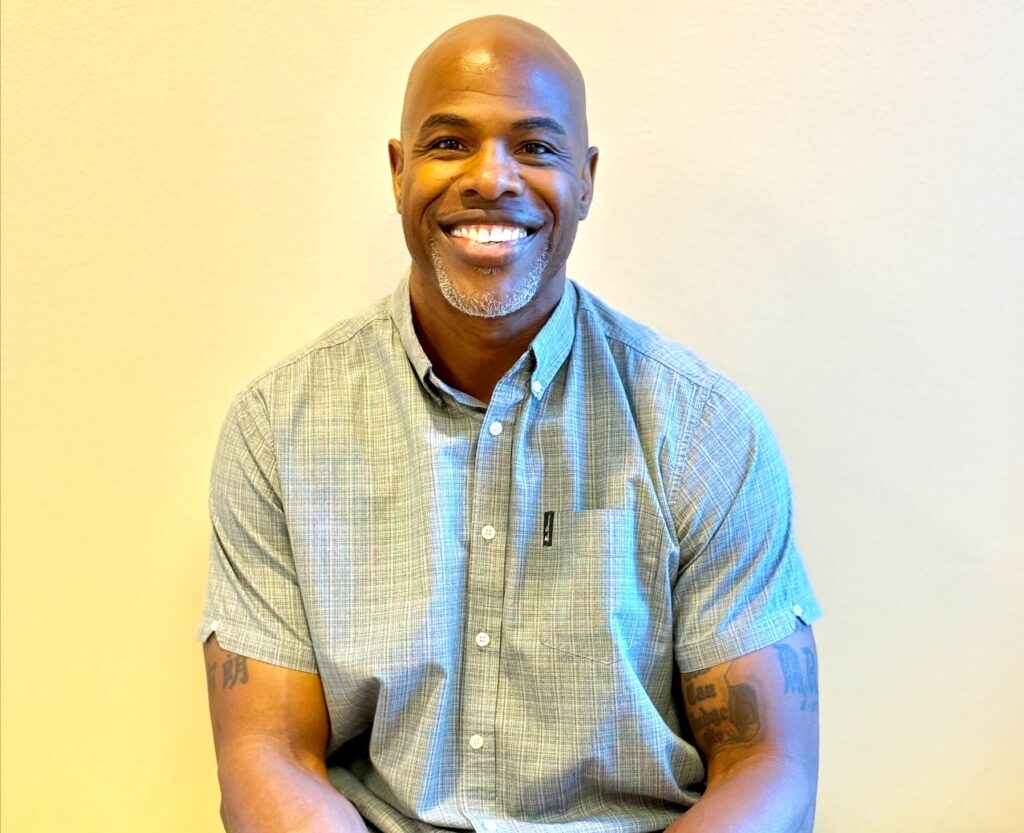

Mychal Lineses
Co-Director
Little Ranch Preschool
John Matanza
Education Specialist
Tohono O’odham Nation Head Start

Resources to explore
- Building a Gender-Balanced Workforce: Supporting Male Teachers (NAEYC)
- Men in ECE (World Forum Foundation)
- Male Early Child Care Professionals Matter (Bananas)
References
Arizona Early Childhood Workforce Registry. (2025, May 21). https://azregistry.org/
Besnard, T., & Letarte, M.J. (2017). Effect of male and female early childhood education teacher’s educational practices on children’s social adaptation. Journal of Research in Childhood Education, 31(3), 453–464. https://doi.org/10.1080/02568543.2017.1319445
Let’s keep the Conversation Going
How does your program support gender diversity in hiring? How do the men on your team make your environment better? Share your thoughts below and help inspire others.
The post Where are the men? Why male educators matter in early childhood education appeared first on Quality First.
]]>The post Thank you, heroes of early childhood appeared first on Quality First.
]]>Dear Early Educator,
May 9 is Child Care Provider Appreciation Day, and I would like to extend a heartfelt thank you on behalf of the First Things First Board and staff.
Thank you for your continued commitment to Arizona’s youngest learners. You know, better than most, that the first five years shape a child’s future. Your care helps children thrive, supports families’ understanding that they are their child’s first teachers and creates lasting, meaningful early experiences.
We know your work often goes unnoticed, but we see you. You’re up early, preparing your classrooms and home-based settings with brain-building activities before children arrive. After children go home, you continue working—cleaning, organizing, completing paperwork and planning for the next day.
Your work is essential—not only to children’s development but to Arizona’s economy. Without your dedication, many families would not be able to work or contribute to our state’s economy. And the children in your care today will shape Arizona’s future.
Whether you work in a center or in your home, please know that your efforts matter deeply. Thank you for your hard work, your heart and your unwavering commitment to young children.
With gratitude,
Melinda Morrison Gulick
The post Thank you, heroes of early childhood appeared first on Quality First.
]]>