- What is CI/CD? Continuous integration and continuous delivery explained
- For this example Jenkins is used as the CI/CD tool but the concepts and tools should apply to any backend such as GitLab Runner.
This repository is a working proof-of-concept example on how to use Jenkins in your Simulink Embedded Coder build process. Model Based Design and Automotive tend to lag other industries in adoption of new processes however CI/CD has been used successfully in 'traditional' development for some time:
Continuous Integration (CI) allows you to continuously integrate code into a single shared and easy to access repository. ... CI/CD creates a fast and effective process of getting your product to market before your competition as well as releasing new features and bug fixes to keep your current customers happy.
Centralizing Embedded Coder builds to a single machine has a number of benefits.
- Increased traceability of builds (For ISO 26262/IEC 61508), flash files aren't generated on an end developer's machine.
- Centralizing the build process reduces the number of required Embedded Coder licenses. Instead of multiple developers needing access to a floating license or multiple standalone licenses your company can buy one standalone license for the Jenkins build machine.
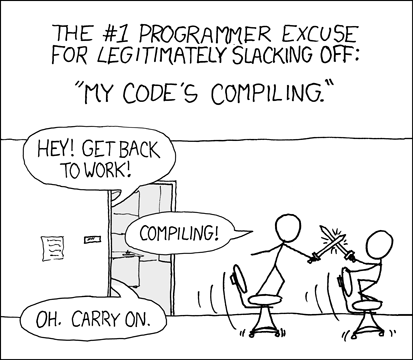
- For long build processes this frees up the developers' machines from the build process, eliminating 'compiling time'.

The artifacts are archived under the artifacts tab. The Jenkinsfile is configured to archive both binary files (*.elf, *.hex) in addition to the contents of the *_ert_rtw/ folder.
