Updated: 24.11.13
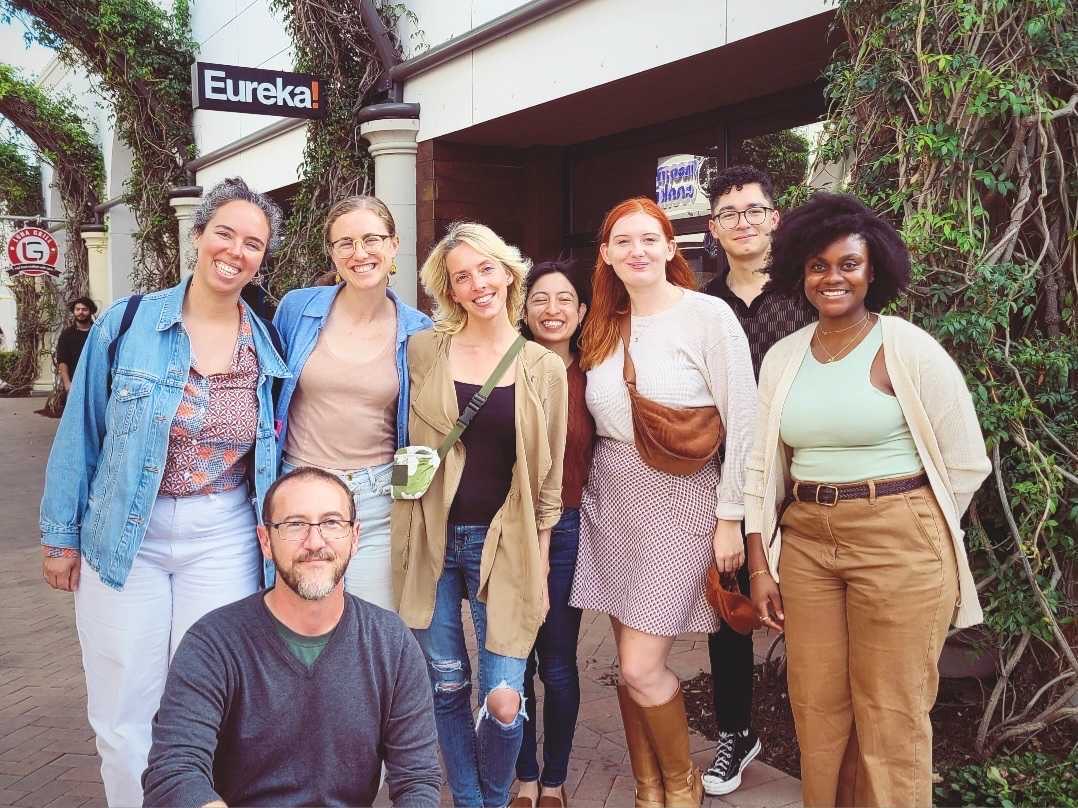
- Be welcoming to one another and proactive in opening up discussions or offering assistance.
- Collaborations within and outside of the group are key to success (e.g., sharing data, code, protocols, and helping each other). The best global health work comes from teams.
- Share and celebrate both achievements and failures.
- Be open to giving and receiving feedback.
- There’s no competition within the group, but always try your best.
- Our approach: Demonstrate that a kinder, more thoughtful, and collaborative scientific process is as effective — or more so — than hyper-competitive and ruthless methods.
- Collaboration should be the rule within our group.
- Being direct is fine, but always be kind.
- Remember: Sharing is caring.
- Hard work is essential, but in academia, what you accomplish matters more than how long you spend at your desk.
- Your CV reflects your outputs — publications, presentations, and other contributions — not the hours you worked.
- Productivity requires consistent effort and time. Achieving meaningful results comes from putting in the necessary work to reach your goals.
- Stress, when managed well, can be a useful driving force. A healthy level of stress keeps us motivated and focused on achieving our goals.
- However, too much or overly negative stress can become paralyzing, preventing progress and harming well-being.
- On the other hand, if you find yourself unworried about meeting deadlines or delivering results, it also indicates larger problems.
- Prioritizing your well-being enhances your ability to be productive.
- Overworking without delivering results is not sustainable or effective.
Bottom Line
- Time spent should translate into tangible outcomes. Simply logging hours isn’t enough — focus on creating something valuable. If you're struggling with stress or translating effort into output, let’s strategize together to find a healthy balance.
- “We missed you, but do you really need to be here? Go take a walk!” Inspiration often strikes when you're active.
- Global health and epidemiology have both historically been dominated by males from wealthy, predominantly white countries.
- To address equity and justice, leadership of these fields must reflect the populations it serves.
- Diverse perspectives enrich research. Surrounding yourself with colleagues who bring different experiences improves the quality of work.
Do good work.
- High-quality research doesn’t require publication in prestigious journals like Lancet, Nature, Science, or Cell.
- What matters most is that your work is logical, sound, and thoughtfully designed to answer meaningful questions, even simple ones.
Prioritize rigor over speed.
- You need research outputs for your degree and career, but it’s far better to delay a presentation or publication if the methods and results are not yet solid.
- Always aim for your work to be presentable, defensible, and credible.
Know your work.
- Even with support in developing your methods and analysis, you must be able to confidently defend your decisions, methods, and results.
- If you can’t explain it, take the time to figure it out.
Your reputation matters (and so does the reputation of the Parker Group).
- High productivity is impressive, but poor-quality work can quickly undermine your reputation. A single low-quality presentation or publication can negate the positive impression of your previous efforts.
- Always strive for excellence, even in smaller-scale projects.
Becoming an independent scholar
- Aim to become an independent scholar. This is your apprenticeship.
- Start with one research output per year and increase as soon as you are able.
- Early in your degree (1st–2nd year): Focus on posters or oral presentations (I’m happy to help you reach these goals).
- Later: Shift toward peer-reviewed publications, which are more valuable for your CV and the lab.
- Papers are much, much more valuable than posters and talks — for you and your future, and for the lab.
- Research outputs snowball over time — what feels small now can grow into multiple outputs annually.
- Feeling overwhelmed? Let’s talk! I can help you move things along.
Optimize Your Schedule
- Identify when your brain works best and structure your day accordingly.
Example: I’m most creative in the early morning, so I reserve that time for writing. - Adapt as you gain more control of your time. While some tasks require adherence to external schedules, increasingly during your PhD, you’ll have control over your time — use it wisely.
Early in the program:
- You’ll engage in coursework, much of it focused on methods. Some methods will be directly applicable to your research, while others may not be immediately relevant (but could be useful later).
Later in the program (3rd year and beyond):
- Expect to learn new methods and techniques outside of formal coursework.
- Be proactive about acquiring new skills. Opportunities for learning (e.g., basic mapping workshops) will arise, but increasingly, you’ll need to figure out how to learn independently.
Develop the ability to learn effectively:
- This involves understanding both how you learn best and when and how to seek help.
- Strategies might include:
- Finding the right books, tutorials, or online courses.
- Reaching out to experts for guidance on specific methodologies.
- The sooner you master this, the better off you’ll be. It’s a skill you’ll likely rely on even after your PhD.
Success in research requires a team of mentors.
- No single mentor (yes, including me!) can provide everything you’ll need.
- Seek out mentors with diverse lived experiences (e.g., different ethnicities, genders) and a variety of skill sets (e.g., GIS, genetics, qualitative approaches, ecology).
- I (Daniel) still meet with old mentors and seek out new mentors.
Mentorship doesn’t always come with formal titles.
- Not all mentors will serve in official capacities (e.g., on your committee). This is both fine and beneficial.
- However, strive to make these mentorships mutually rewarding when possible.
For example, if they helped you with methods or interpretations that wind up in a paper, especially outside of a classroom setting, find a way for them to be a coauthor. If they’re unofficially mentoring you without recognition, consider nominating them for a mentorship award.
Be mindful of ‘ghost mentorship.’
- This occurs when students rely heavily on individuals (faculty or otherwise) who are not their official advisors. These mentors often go unrecognized, while the primary advisor — frequently a high-ranking figure — receives undue credit for the student’s progress.
- Try to avoid perpetuating this system. Acknowledge and credit those who actively mentor you.
Manage your mentorship relationships.
- Keep in touch with your mentors regularly (e.g., touch base quarterly).
- You’re busy, but they are likely busier. Help them keep up with you by being proactive with finding times to meet, putting those meetings on their calendar, etc.
- Develop meaningful relationships by valuing their time, experience, and expertise.
- Be respectful of their advice and integrate their feedback thoughtfully into your work.